Brexit: What would Britons vote for in a new referendum?
w referendum? Brexit - As the UK continues to navigate the complexities of its post-Brexit era, the possibility of a new referendum on the country's

Brexit: What would Britons vote for in a new referendum?
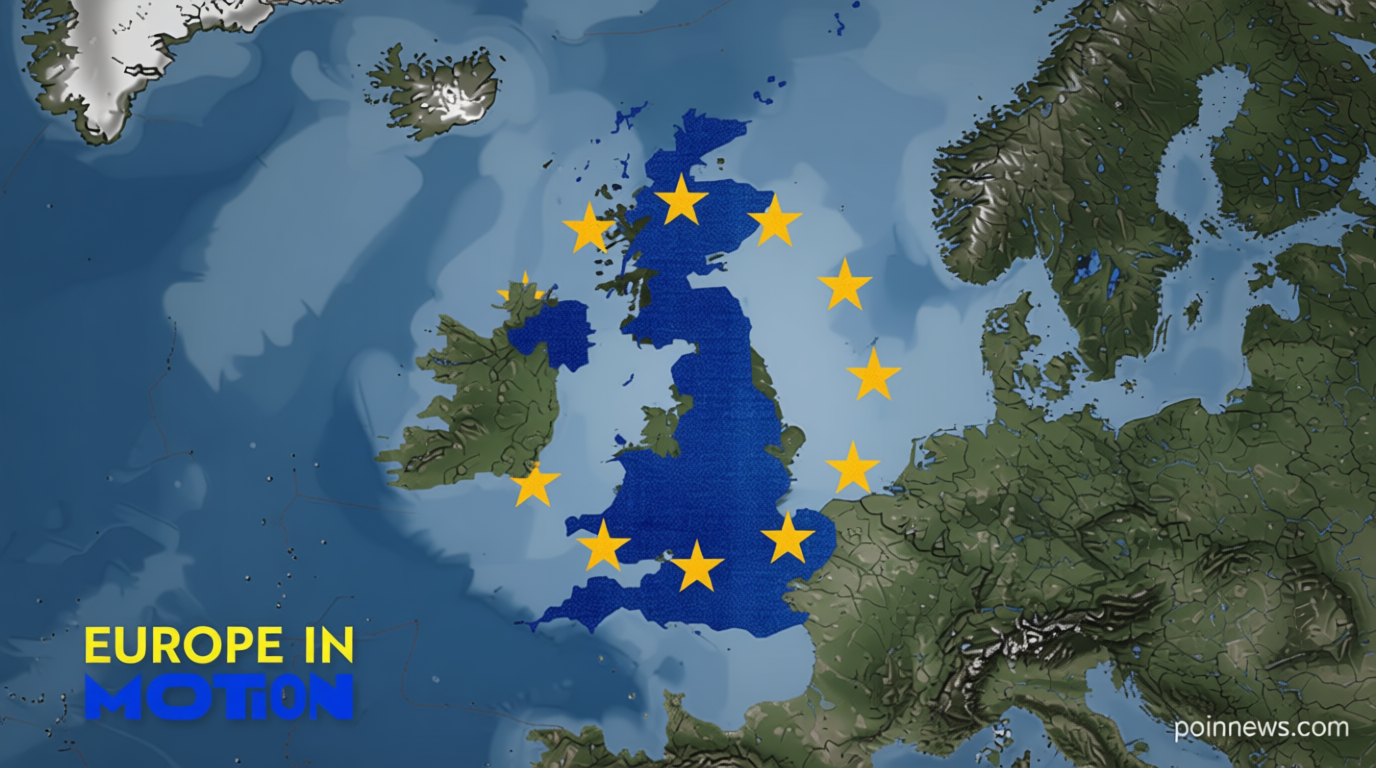
Poinews.com – Brexit – As the UK continues to navigate the complexities of its post-Brexit era, the possibility of a new referendum on the country’s relationship with the European Union has resurfaced. A decade after the historic 2016 vote that led to the United Kingdom’s departure from the EU, the political landscape is shifting, with fresh debates emerging about whether the nation should reconsider its decision. The focus keyword ‘Brexit’ remains central to these discussions, as public sentiment and political strategies evolve in the wake of ongoing economic, social, and diplomatic changes. This article explores the key issues that could dominate a potential new referendum, analyzing the current state of opinion, the role of political parties, and the broader implications for the UK and the EU.
Public Sentiment and Shifting Priorities
The latest polls reveal a notable change in the public’s perception of Brexit, with a growing majority of Britons now leaning toward rejoining the EU. According to the YouGov survey, 53% of voters support a return to the bloc, compared to the 52% who backed leaving in 2016. This shift underscores the evolving priorities of the electorate, as concerns over trade, migration, and economic stability have prompted a reassessment of the benefits and drawbacks of Brexit. For instance, the UK’s recent rejoining of the Erasmus+ student exchange program and its plans to regain access to Horizon Europe, the EU’s research funding initiative, signal a desire to restore closer ties with the bloc. These developments highlight how the UK’s economic and social policies have adapted to the challenges of leaving the EU, creating new opportunities for collaboration and integration.
Interestingly, a significant portion of former Leave voters—approximately 23%—are now reconsidering their stance. This indicates that the initial enthusiasm for Brexit has waned, particularly as the long-term consequences of the decision become more apparent. The rise of pro-EU sentiment is also evident in the political arena, with the Labour Party, which secured a parliamentary victory in 2024, positioning itself as a leader in advocating for closer ties with the EU. Meanwhile, the Conservatives, once the dominant force in Brexit negotiations, face growing pressure to address public dissatisfaction with their policies and their handling of the EU’s post-Brexit trade agreements.
Political Dynamics and Factional Divisions
The political factions within the UK are at a crossroads, with differing visions for the country’s future shaping the debate on a potential new referendum. Nigel Farage’s Reform Party, which has long been the driving force behind Brexit, continues to play a pivotal role in this discourse. Despite its current support standing at 24%, the party remains a key player in advocating for a more radical departure from the EU. However, the Reform Party’s influence is tempered by the broader political landscape, where both Labour and the Conservatives are struggling to maintain cohesion. The Labour Party, for example, is divided between supporters of a more moderate Brexit approach and those pushing for a complete reversal of the 2016 decision.
Meanwhile, the Conservatives are facing internal challenges as their long-standing rule is tested by rising support for the Reform Party. With 14 years of governance marked by scandals and austerity measures, the party’s credibility has been shaken. This has led to a surge in Reform Party backing, with 55% of its supporters not only desiring to remain outside the EU but also advocating for further distancing from Brussels. Such a divide suggests that the path to a unified Brexit narrative is fraught with challenges, as political parties attempt to align their policies with shifting public opinion and economic realities.
The uncertainty surrounding the next general election adds another layer of complexity to the debate. As the outcome of the election remains unclear, the potential for a new referendum hinges on the ability of political leaders to address the concerns of the electorate. Anand Menon, Director at the UK in a Changing Europe research institute, notes that the success of any political reset will depend on the direction taken by the next Prime Minister. His observation highlights the critical role of leadership in determining the UK’s future relationship with the EU, whether through continued Brexit policies or a move toward reintegration.
“The Brexit referendum was a defining moment for the UK, but the current political climate shows that the decision is far from settled. A new referendum would require a clear vision of what the UK wants from the EU and a compelling case for why it should be the preferred option,” said Anand Menon, Director at the UK in a Changing Europe.
Additionally, the Brexit debate has extended beyond the UK’s borders, influencing international relations and trade negotiations. The EU, too, is re-evaluating its strategies to accommodate the UK’s evolving position, with discussions on future cooperation and trade deals taking center stage. This dynamic interplay between the UK and the EU suggests that a new referendum may not only reflect domestic opinion but also serve as a barometer of the broader geopolitical landscape. As the UK seeks to redefine its role in the world, the focus keyword ‘Brexit’ remains a powerful lens through which to examine these changes and their implications for the future.