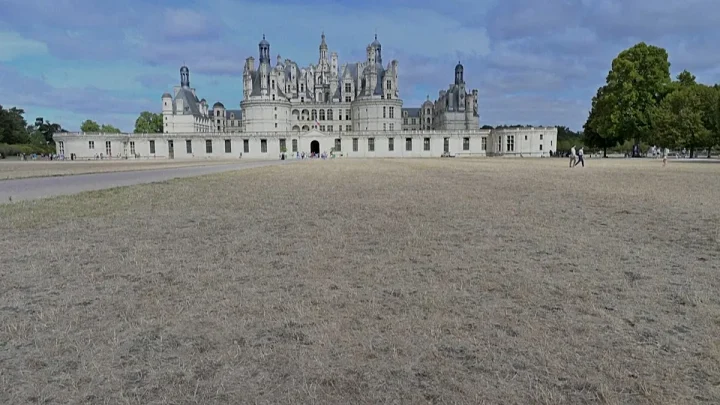
Spain faces toughest day of heatwave: red alerts and San Juan bonfires cancelled
Spain's Heatwave Intensifies: Red Alerts and San Juan Bonfires Cancelled Spain faces toughest day of heatwave - Spain faces its toughest day of the heatwave

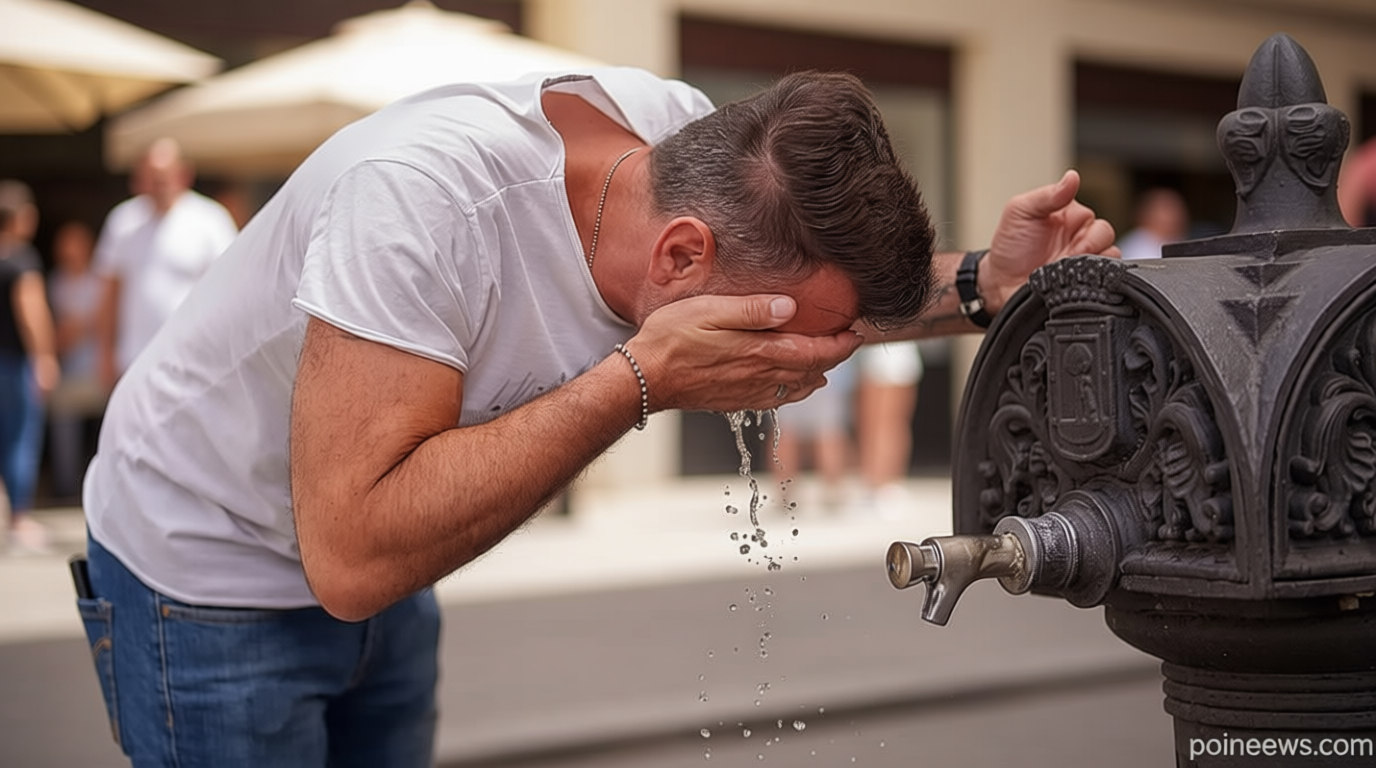
Spain’s Heatwave Intensifies: Red Alerts and San Juan Bonfires Cancelled
Poinews.com – Spain faces its toughest day of the heatwave this Tuesday, as scorching temperatures grip the nation under red alert conditions across five provinces. The extreme weather has disrupted traditional summer celebrations, with San Juan bonfires now on hold due to the unprecedented heat. The State Meteorological Agency (Aemet) has issued urgent warnings for inland regions of the Basque Country and Cantabria, while Andalusia faces soaring temperatures that have pushed the country’s heatwave to its peak. This marks a significant escalation in the severity of the climate event, prompting both local and national authorities to take emergency measures to mitigate its impact.
The Unprecedented Heatwave
The current heatwave is not only breaking records but also reshaping the summer season in Spain. Temperatures have reached near 42°C in multiple regions, with the Ebro corridor becoming a particularly vulnerable zone as highs surpass 41°C by midday. Even nights offer minimal relief, as forecasts indicate temperatures will remain above 25°C in much of the country, extending the discomfort for residents. This prolonged heat has raised concerns about its long-term effects on the environment, infrastructure, and public health, making it one of the most intense episodes in recent history.
Experts warn that the heatwave’s intensity is concentrated in unexpected areas, challenging the typical pattern of high temperatures in southern regions. The northern provinces, such as the Basque Country and Cantabria, are now experiencing conditions that rival those in the south, indicating a broader geographic impact. This shift has prompted Aemet to issue heightened alerts, emphasizing the need for immediate action to prevent further complications. The persistence of such extreme weather underscores the growing influence of climate change, as Spain continues to face increasingly severe heat events with no signs of abating soon.
Impact on Daily Life and Safety Measures
The heatwave has disrupted daily routines, with businesses, schools, and public services adapting to the sweltering conditions. In cities, power demand has surged as residents rely on air conditioning to combat the rising temperatures, straining energy grids. Meanwhile, rural areas have been hit hard by the combination of high heat and dry conditions, increasing the risk of wildfires. Catalonia, in particular, is under high alert, with officials warning that the region could see a spike in forest fires. The Ministry for Ecological Transition and the Demographic Challenge (MITECO) reported that wildfires have already consumed 37,968 hectares between January 1 and June 14, 2026—2.8 times the figure from the same period in 2025 and 24.9% above the decade-long average.
Amid the crisis, the cancellation of San Juan bonfires has become a symbol of the heatwave’s disruptive power. These annual celebrations, which typically draw thousands to coastal areas, have been scaled back or postponed entirely in several regions. In the Basque Country, local authorities declared a pre-emergency situation, urging councils to avoid lighting fires near wooded areas to reduce the risk of wildfires. While some municipalities, like Bilbao, have approved urban fires on concrete surfaces, others have opted for full shutdowns, prioritizing safety over tradition.
“According to meteorologists, the episode will start to ease from Thursday, when an influx of cooler air should bring temperatures back to more typical seasonal levels.”
As the heatwave reaches its peak, the focus remains on managing its consequences. Emergency services are on high alert, with additional resources deployed to monitor and respond to wildfires. Public health officials have also issued advisories, urging vulnerable populations to stay hydrated and avoid prolonged exposure to the sun. Meanwhile, agricultural sectors are bracing for the effects of extreme heat on crops and livestock, with some regions reporting early signs of stress. The prolonged nature of the event has also raised questions about Spain’s preparedness for future climate extremes, as the country grapples with the dual challenge of heat and drought.
Looking ahead, the relief from the heatwave is expected to arrive gradually. Cooler air is anticipated to reach the Iberian Peninsula by Thursday, offering a temporary reprieve as temperatures begin to decline. However, the prolonged period of high heat has already left its mark, with communities across Spain adjusting their schedules and practices to cope. The ongoing crisis highlights the need for adaptive strategies, from urban planning to water conservation, to ensure resilience in the face of increasingly frequent and severe weather events. As the nation awaits the easing of conditions, the focus remains on recovery and preparation for the next phase of the summer climate challenge.