Spain toughens rules for e-scooters: new requirements
quirements Spain toughens rules for e scooters - Spain has implemented stricter regulations for e-scooters, marking a significant shift in how these personal

Spain toughens rules for e-scooters: new requirements
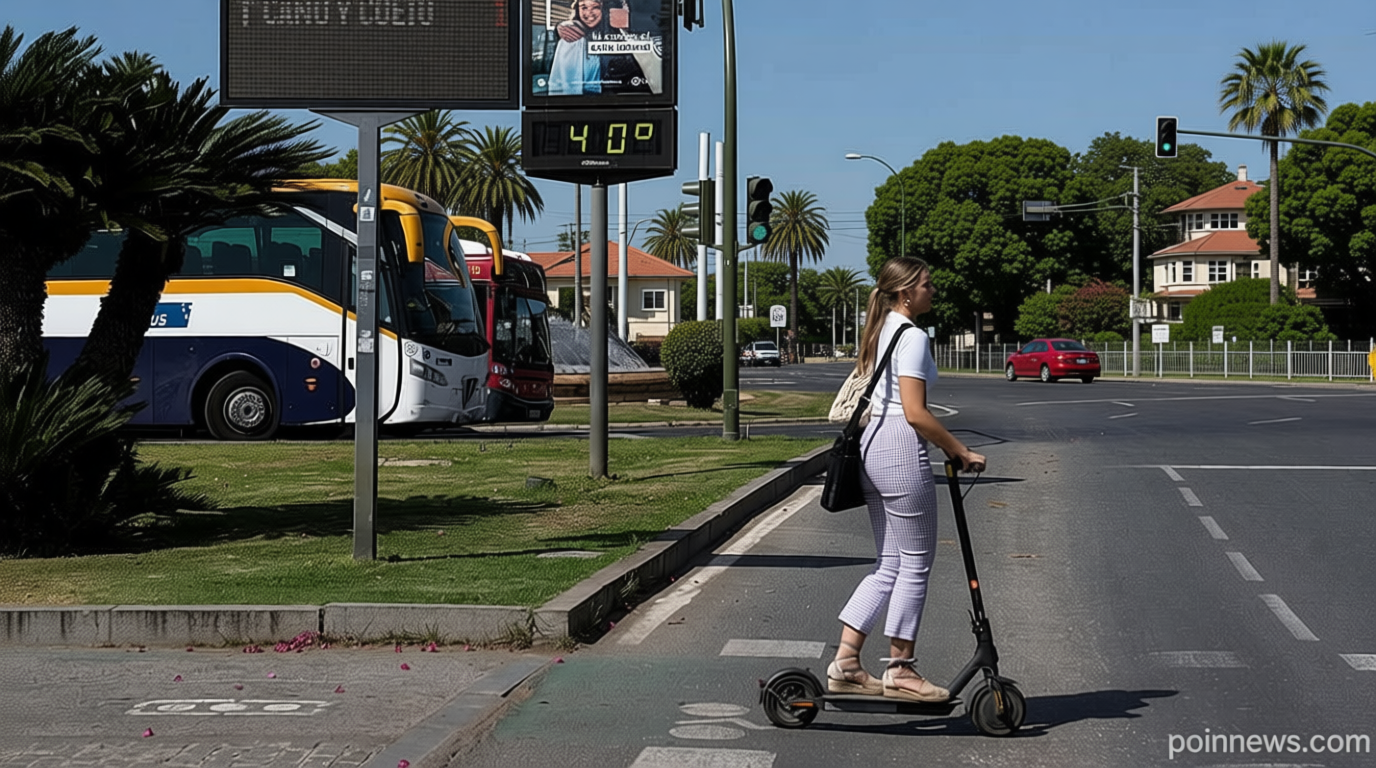
Poinews.com – Spain has implemented stricter regulations for e-scooters, marking a significant shift in how these personal mobility devices are governed on its roads. The government, through the Interior Ministry and the Directorate-General for Traffic (DGT), has introduced a comprehensive set of rules aimed at improving safety and reducing accidents involving electric scooters. These new requirements include a minimum age of 15 for e-scooter operators, mandatory helmet use, and additional obligations such as lighting and reflective gear in low-visibility conditions. Spain’s toughened rules for e-scooters are designed to address growing concerns over their increasing popularity and the associated risks to road users.
Enhanced Safety Standards for E-Scooter Riders
The updated regulations reflect a broader effort to align traffic laws with the evolving landscape of urban mobility. With more people relying on e-scooters for short-distance travel, especially in densely populated cities, the need for standardized safety measures has become urgent. The new rules require all e-scooter riders to wear helmets, a step that has been widely supported by road safety advocates. Additionally, operators must use lights and reflective gear when visibility is low, ensuring they are more noticeable to drivers and pedestrians. These measures are expected to significantly reduce the risk of collisions, particularly in areas where e-scooters share the road with cyclists and motor vehicles.
Spain’s toughening of rules for e-scooters also extends to vehicle registration and insurance requirements. From 1 October 2026, e-scooters will need to be registered with local authorities, and riders will be required to carry liability insurance. This change comes as part of the DGT’s push to create a more structured and accountable system for personal mobility vehicles. The registration process will help track e-scooter usage and ensure compliance with safety standards, while insurance coverage will provide financial protection for both riders and other road users in case of accidents.
Expanded Safety Measures for All Road Users
Under the new rules, motorcyclists and cyclists will also face additional safety requirements, reflecting Spain’s commitment to protecting all vulnerable road users. Motorcyclists are now mandated to wear approved gloves and closed footwear, a measure that complements the e-scooter helmet mandate. Overtaking rules have been tightened, requiring drivers to maintain a safe distance from cyclists and stationary vehicles. On multi-lane roads, drivers must shift entirely into the adjacent lane when overtaking cyclists, provided traffic conditions allow it. These changes aim to reduce the likelihood of side collisions and ensure smoother interactions between different types of road users.
Spain’s toughened rules for e-scooters also incorporate a focus on infrastructure improvements. The DGT has proposed the creation of dedicated lanes for e-scooters in major urban areas, reducing conflicts with pedestrians and cyclists. These lanes will be marked with clear signage and separated by barriers or physical dividers to enhance safety. In addition, the government has allocated funds for the expansion of bike-friendly pathways and the installation of protective barriers near high-traffic zones. Such infrastructure changes are expected to complement the new regulations by providing a safer environment for all road users.
Implementation Timeline and Enforcement Details
The implementation of Spain’s new e-scooter regulations begins on 1 October 2026, with most provisions taking effect simultaneously. However, certain rules will be phased in gradually. For instance, the requirement for lighting and reflective gear will be enforced from 1 October 2027, allowing riders time to adjust to the changes. This phased approach ensures that the transition is manageable for both users and local authorities, minimizing disruption to daily commutes.
Enforcement of the new rules will be handled by traffic police and local municipalities, with fines of up to 200 euros for violations. The DGT has emphasized that these penalties are designed to encourage compliance rather than serve as a deterrent for casual users. For example, riders who operate e-scooters without a helmet or fail to use appropriate lighting will face fines, while those who exceed speed limits or ride recklessly may be subject to higher penalties. The rules also include provisions for temporary restrictions in high-risk areas, such as during peak hours or in zones with high pedestrian activity.
“Spain’s goal is to align traffic regulations with contemporary mobility trends,” stated a spokesperson for the Interior Ministry. “These updates ensure consistency across all regions, reducing confusion for drivers and riders alike.”
Public Reaction and Industry Adaptation
The introduction of Spain’s toughened rules for e-scooters has sparked a mix of reactions from the public and industry stakeholders. While safety advocates have praised the measures for their potential to reduce accidents and improve road safety, some riders and businesses have expressed concerns about the increased costs and administrative burdens. E-scooter rental companies, for instance, will need to invest in helmets and reflective gear for their fleets, which may affect pricing. However, the government argues that these changes are necessary to create a sustainable and safe mobility ecosystem.
Public opinion remains divided, with many urban residents relying on e-scooters for their daily commute. Some argue that the rules are overly strict, especially for casual users who may not need to wear helmets or use lights for short trips. Others, however, support the measures, citing the importance of standardized safety practices in reducing the number of injuries and fatalities. The DGT has also announced plans to launch a public awareness campaign, highlighting the benefits of the new rules and encouraging compliance. This initiative aims to bridge the gap between policy and practice, ensuring that riders understand and adhere to the updated requirements.
Long-Term Impact on Urban Mobility
Spain’s new e-scooter regulations are expected to have a lasting impact on urban mobility and transportation planning. By setting clear guidelines for usage, the government hopes to integrate e-scooters more effectively into the existing traffic infrastructure. This includes the designation of specific routes and parking areas, as well as the promotion of e-scooter-friendly policies in cities like Madrid and Barcelona. The emphasis on safety also aligns with Spain’s broader goals to reduce traffic congestion and promote eco-friendly transportation options.
Experts believe that these changes could serve as a model for other countries facing similar challenges with e-scooter proliferation. With cities worldwide adopting electric scooters as a solution to urban mobility issues, Spain’s approach offers a balanced framework that prioritizes safety without stifling innovation. The success of the new rules will depend on their enforcement and the adaptability of both riders and urban planners. As the implementation date approaches, local authorities will play a crucial role in ensuring that the regulations are applied consistently and that the public is adequately informed about the new requirements.