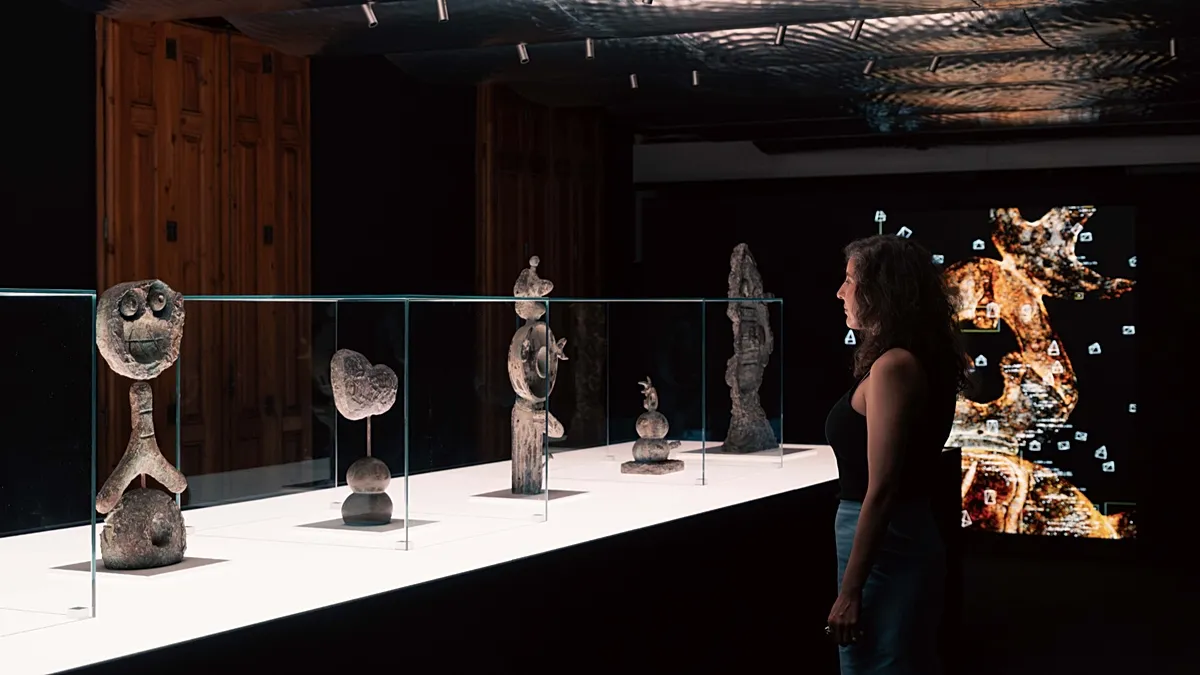
Scientists find human DNA over 2,000 years old in caves in Spain and Portugal
Scientists Discover Human DNA Over 2,000 Years Old in Spanish and Portuguese Caves Scientists find human DNA over 2 000 - A groundbreaking study, initiated

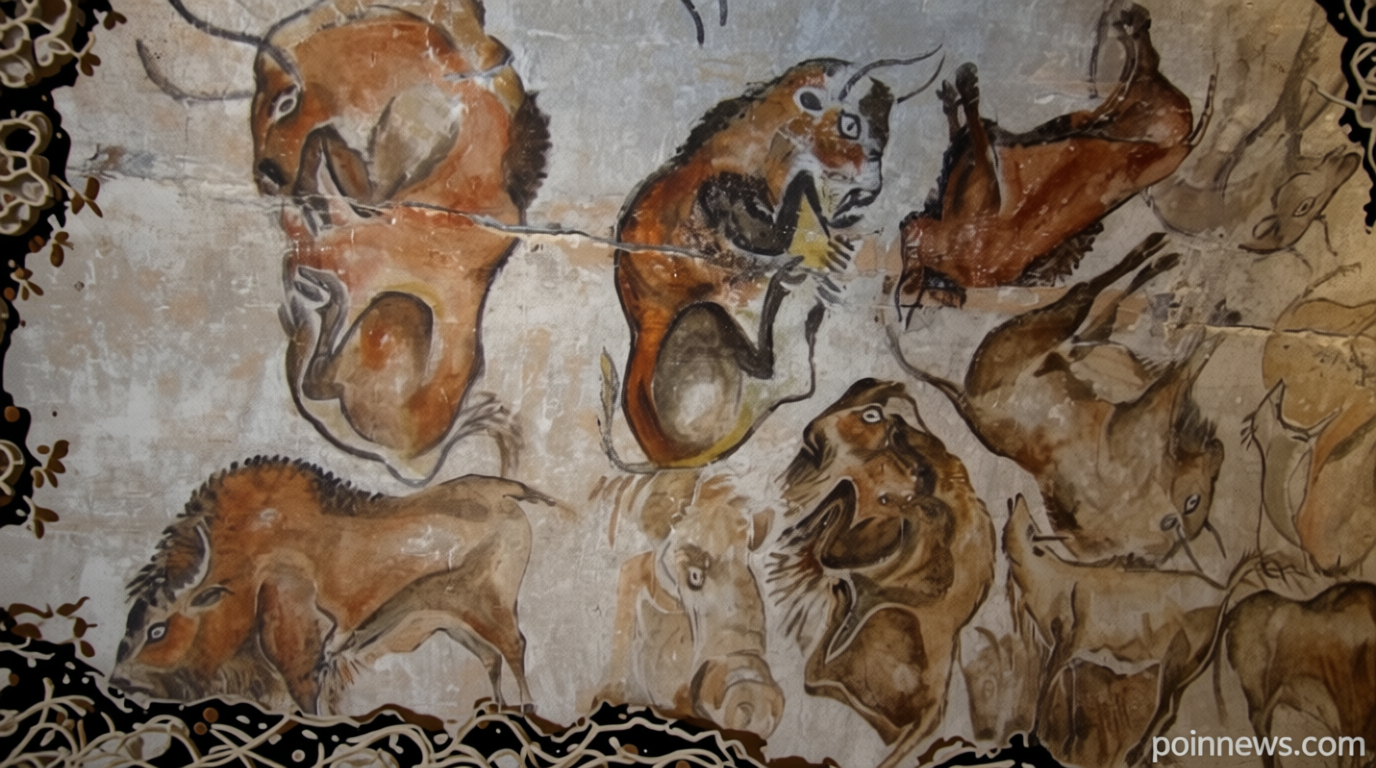
Scientists Discover Human DNA Over 2,000 Years Old in Spanish and Portuguese Caves
Poinews.com – A groundbreaking study, initiated from Cáceres, has revealed ancient human DNA preserved for more than 2,000 years in cave sites across Spain and Portugal. This achievement marks a significant advancement in the field of archaeogenetics, offering fresh opportunities to explore the lives of prehistoric communities through genetic evidence.
Leading the effort is Hipólito Collado, whose team collaborated with experts from the United Kingdom, Germany, and China. The research focused on how rock surfaces can retain genetic material for millennia, challenging previous assumptions about the durability of such environments for biological traces. The findings were published in the journal *Nature Communications*.
Project Origins and Scope
The study emerged from earlier work on the Maltravieso cave, where researchers identified some of Europe’s earliest known paintings. A regional broadcaster, *Canal Extremadura*, shared a video on X highlighting the preservation of DNA in rock art. The footage underscores the potential for new scientific methods in analyzing ancient human activity.
“The project’s expansion aims to date the oldest artistic expressions on the Iberian Peninsula and examine their chemical makeup,” explained the team. This approach combines archaeology with genetics, broadening the scope of historical reconstruction.
Working with the Max Planck Institute for Evolutionary Anthropology in Germany, the group introduced the analysis of ancient DNA directly from rock surfaces. This technique differs from traditional methods that rely on bones, sediments, or tools. By focusing on the walls themselves, the research opens a novel pathway for uncovering prehistoric narratives.
The study examined 24 rock-art panels from 11 caves, uncovering genetic material in both painted and unpainted regions. Notably, DNA was found in Escoural cave, Portugal, and Covarón cave, Asturias. These results confirm that cave walls can serve as long-term repositories of human genetic information.
Of the analyzed samples, three were linked to women, one to a man, and one could not be definitively categorized. The discovery suggests that cave walls might function as “biological archives,” preserving traces of human presence far beyond what was previously believed possible. This could revolutionize future studies of ancient populations and their interactions with their surroundings.