European heatwave forces Eiffel Tower early closure and tourist attraction shutdowns
European Heatwave Forces Eiffel Tower Early Closure and Tourist Attractions to Shutter European heatwave forces Eiffel Tower early - A severe European

European Heatwave Forces Eiffel Tower Early Closure and Tourist Attractions to Shutter
Poinews.com – A severe European heatwave has prompted unprecedented changes in operations at iconic sites, with the Eiffel Tower among the first to close early. As temperatures surge across the continent, historic landmarks and cultural hubs are adjusting schedules to mitigate risks for visitors. The heatwave, which has intensified in recent days, is forcing a reevaluation of how tourist attractions manage their hours and activities, creating ripple effects across multiple countries. This disruption highlights the growing challenges of extreme weather on Europe’s tourism infrastructure, particularly in regions where heat records are being broken.
Paris: Iconic Sites Face Immediate Adjustments
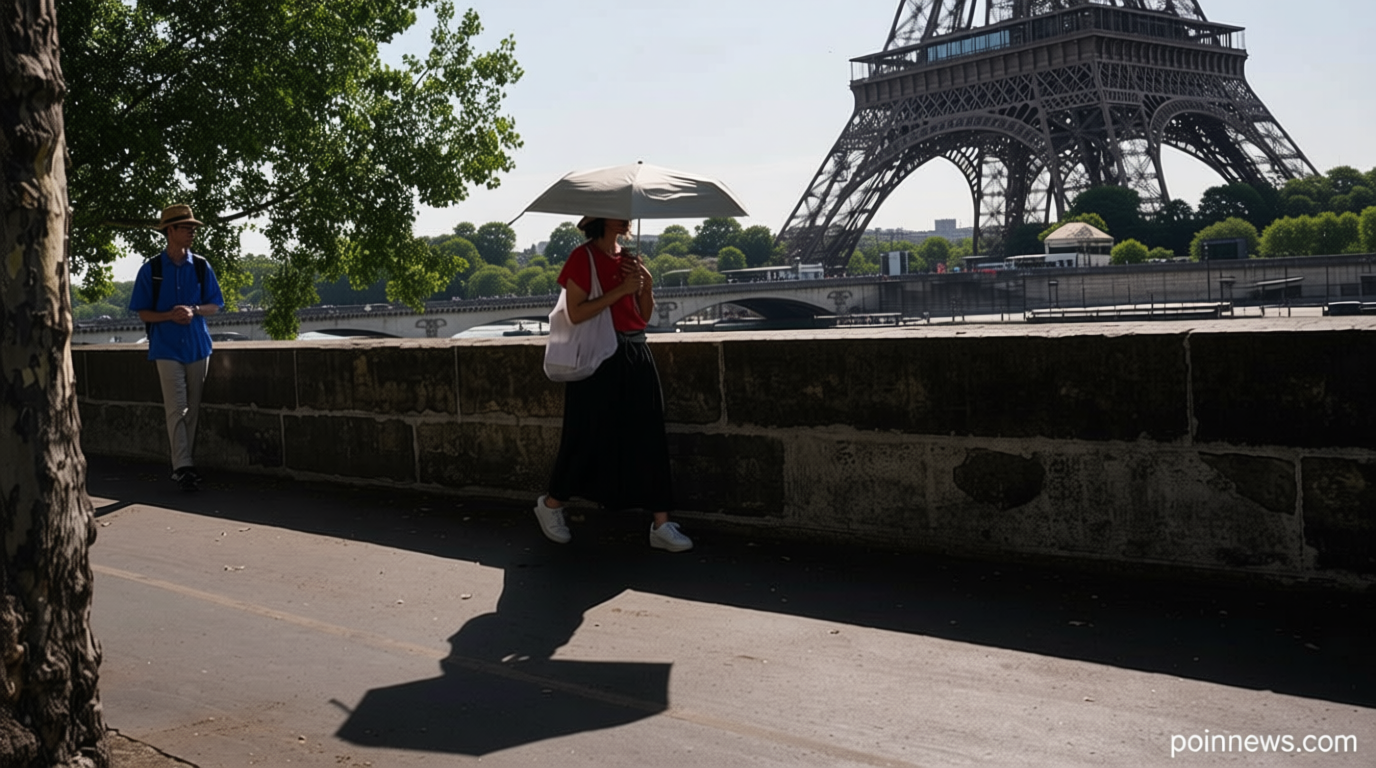
Paris, the heart of the heatwave, is witnessing significant operational shifts as the city contends with record-breaking temperatures. On Tuesday, the Eiffel Tower closed two hours early to protect staff and visitors from the sweltering conditions, with plans to further reduce hours on Wednesday and Thursday. The Louvre, the world’s most visited museum, is also altering its schedule, while the Arc de Triomphe and Palais de Tokyo have implemented temporary closures. Disneyland Paris, a major tourist destination, has shut down several outdoor attractions, citing safety concerns and the need to manage heat exposure. These changes are part of a broader effort to ensure the well-being of the public while maintaining access to Europe’s cultural treasures.
“The Eiffel Tower’s early closure reflects the extreme measures being taken to safeguard visitors during the current heatwave,” said a spokesperson for Paris’ tourism department. “We are prioritizing safety over convenience as temperatures remain dangerously high.”
UK and Other Countries: Disruptions Spread Beyond France
Heat-related disruptions are not limited to France, with the UK also experiencing the effects. In London, the Changing of the Guard ceremonies at Buckingham Palace and Windsor Castle were canceled on Wednesday and Thursday, as organizers sought to protect soldiers, horses, and spectators from the oppressive heat. The V&A museum in London closed sections of its upper galleries, while the National Gallery in Wales implemented similar measures. Across the region, authorities have issued severe heat warnings, with temperatures in the UK expected to reach 39°C. In other parts of Europe, such as the Netherlands and Belgium, heat advisories are in place, signaling the widespread impact of the crisis.
Transport and Infrastructure Challenges
The heatwave is causing complications beyond visitor experiences, affecting transport networks and infrastructure. In the UK, Network Rail imposed speed limits on trains to prevent buckled tracks and sagging overhead wires, a precautionary measure to avert service disruptions. Eurostar, the high-speed rail service connecting London to Paris, canceled four trains on Tuesday and Wednesday, citing the need to protect both passengers and staff. Meanwhile, in Mediterranean regions like Greece, Italy, and Spain, authorities have taken steps to limit exposure at historical sites, such as closing the Acropolis when temperatures hit 42°C last July. These actions underscore the diverse ways in which the heatwave is reshaping daily life across the continent.
Global Implications and Climate Connections
While the current heatwave is a localized event, its impact resonates with global climate trends. Scientists warn that such extreme weather patterns are becoming more frequent due to rising global temperatures, putting pressure on European cities to adapt. The Eiffel Tower, a symbol of resilience and innovation, is now part of this adaptation effort. Measures like early closures and reduced hours are not only about safety but also a test of how iconic landmarks can manage increasing environmental challenges. This heatwave serves as a reminder of the delicate balance between preserving cultural heritage and responding to climate change, with other attractions across Europe following similar protocols.
“We are seeing how climate change is directly influencing tourism operations,” noted a climate expert. “Extreme heat events are no longer anomalies—they’re now a regular part of the seasonal cycle.”
Adapting to the Heat: Visitor Responses and Safety Measures
As the heatwave continues, visitor responses are shaping the way attractions adjust their operations. In Paris, some tourists have opted for indoor exhibits, while others are taking advantage of early closures to avoid the peak heat. The Eiffel Tower’s management has emphasized that the reduced hours are temporary, with plans to resume normal operations once temperatures stabilize. Similarly, museums like the Louvre are offering flexible ticketing options to accommodate those affected by the changes. The situation also highlights the importance of public health measures, as heat exhaustion and dehydration risks rise. Authorities are urging visitors to stay hydrated, wear protective clothing, and plan trips during cooler hours, ensuring that the continent’s cultural sites remain accessible despite the challenges posed by the heatwave.