EU diplomatic service announces new top posts with strong defence focus
EU Diplomatic Service Names New Leadership with Emphasis on Defense EU diplomatic service announces new top posts - On Wednesday, the European Union's

EU Diplomatic Service Names New Leadership with Emphasis on Defense
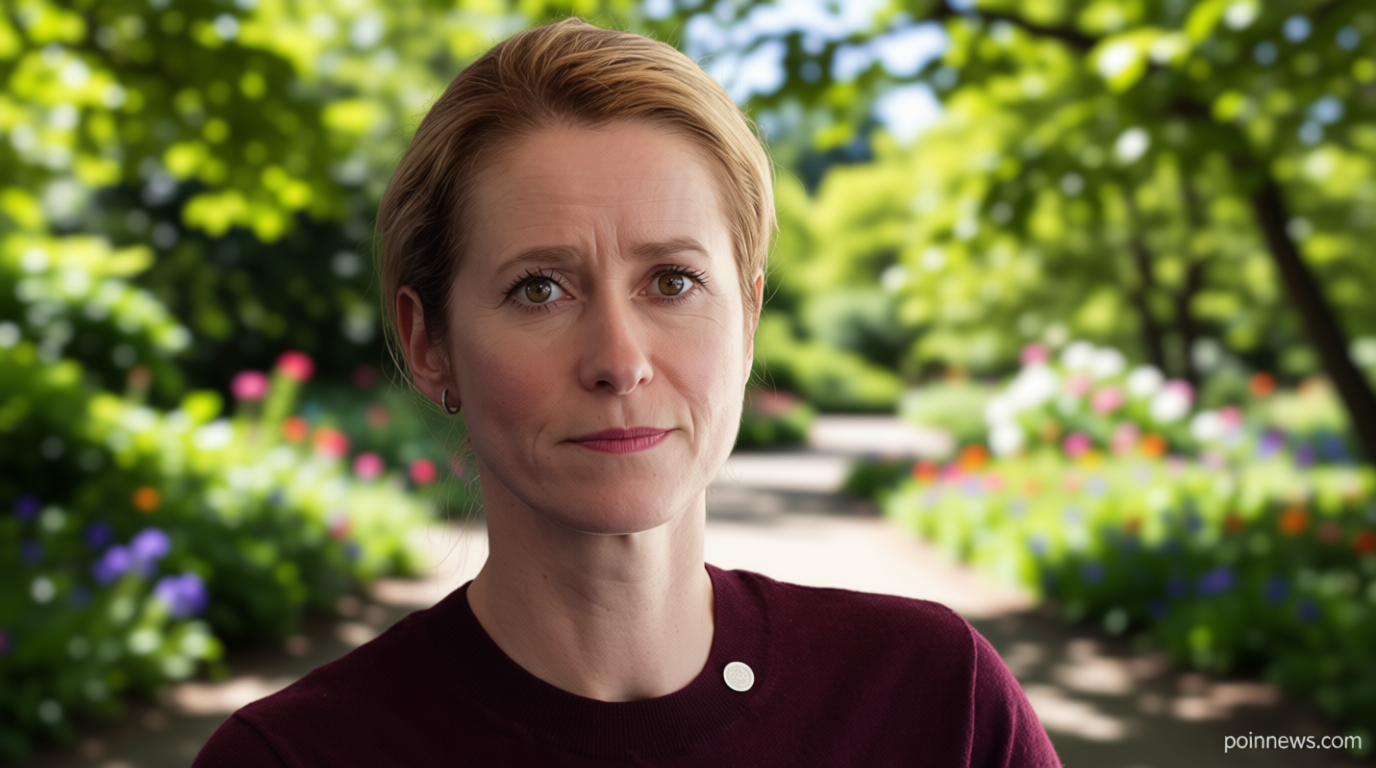
Poinews.com – On Wednesday, the European Union’s diplomatic service unveiled three significant leadership roles, signaling a growing focus on defense and NATO collaboration as the bloc intensifies efforts to reform its foreign policy framework. Among the appointments, Kajsa Ollongren has been selected as Secretary General of the European External Action Service (EEAS), succeeding Belén Martínez Carbonell, who left the position earlier this year. Ollongren brings a wealth of experience, having previously served as deputy prime minister, defense minister, and interior minister of the Netherlands, and currently holds the role of EU special representative for human rights.
Key Appointments Reflect Strategic Shift
The deputy secretary general for geoeconomics and interinstitutional issues, a role established during last year’s EEAS reorganisation, has been given to Matti Maasikas. He had been acting in the position temporarily before a formal appointment. Maasikas is a seasoned diplomat who served as the EU ambassador to Kyiv during Russia’s full-scale invasion in 2022. His career also includes roles as Estonia’s deputy minister for EU affairs and secretary general of its Ministry of Foreign Affairs.
For the deputy secretary general position overseeing peace, security, and defense, France’s NATO ambassador, David Cvach, has been appointed. Cvach previously advised the French president on Middle East affairs, including Iran, and held the directorship for European affairs at France’s Ministry for Europe and Foreign Affairs.
“The key priority for this mandate is defending Europe, defending Ukraine. We have to deliver on that. And for that, to bring in the people who have the best knowledge and the best experience is very important,” said an EU official.
“It is also deliberate that these are people who will make our cooperation with NATO even stronger. Because at the time that we are working on building European defence, it has to be done hand in hand with NATO,” added the official.
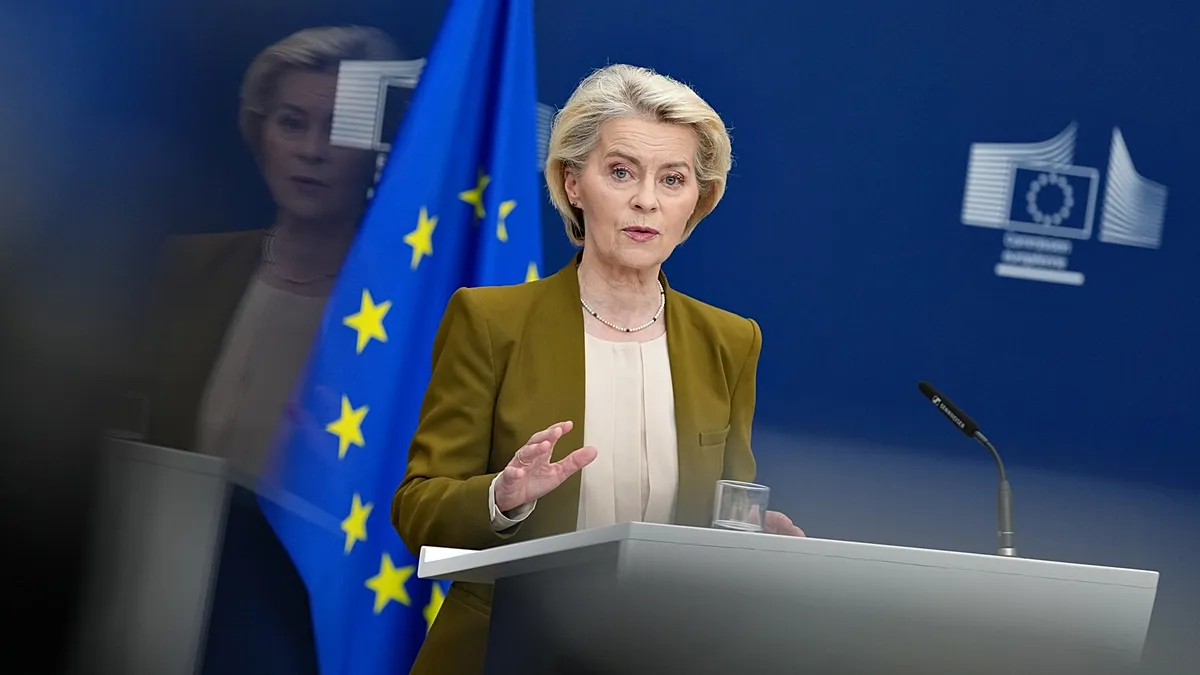
The changes underscore a deliberate strategy to integrate diverse expertise into the EU’s diplomatic hierarchy, ensuring seamless coordination between member states and external partners. This comes amid rising scrutiny of the EEAS, with the European Commission, led by President Ursula von der Leyen, increasingly intervening in foreign policy matters, such as relations with Israel.
Earlier this month, reports hinted at discussions among key member states about potentially reducing the EEAS’s autonomy. However, the focus remains on reorganizing the service to enhance its effectiveness. A potential restructuring of the EEAS, along with broader debates on improving the EU’s foreign policy capabilities, will be addressed at an informal meeting of foreign affairs ministers in Ireland in early September.