Tehran labels framework deal ‘US defeat’ as Trump threatens to halt talks
Tehran Calls Framework Agreement a 'US Defeat' Amid Trump's Threat to Suspend Negotiations Tehran labels framework deal US defeat - Iran's parliament speaker

Tehran Calls Framework Agreement a ‘US Defeat’ Amid Trump’s Threat to Suspend Negotiations
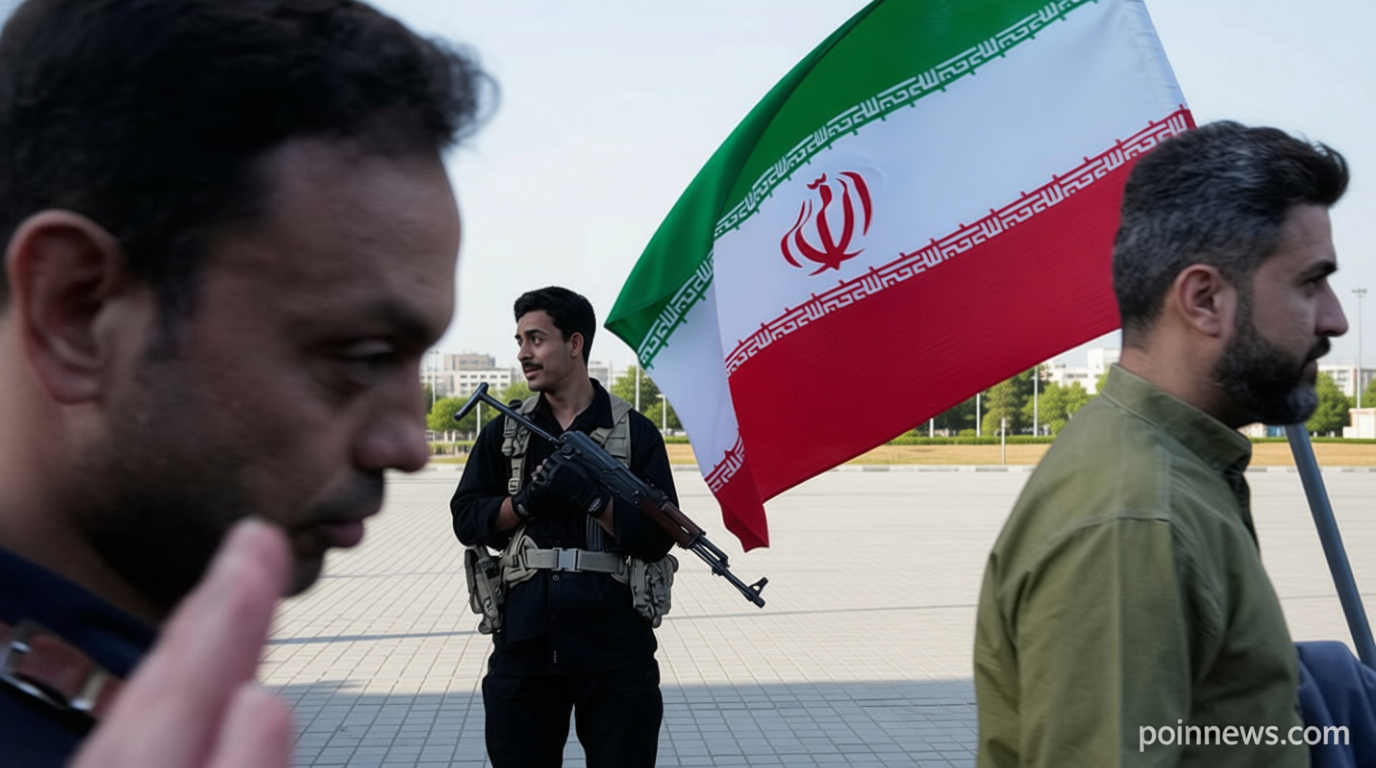
Poinews.com – Iran’s parliament speaker, Mohammad Bagher Ghalibaf, asserted that the U.S.-Iran framework deal symbolizes a “defeat for the United States,” highlighting Washington and Israel’s strategic miscalculation in initiating the conflict. He emphasized that the agreement emerged not from coercion, but through the steadfast resilience of Iran’s people. “The era of imposing will on sovereign nations has ended,” Ghalibaf declared during a parliamentary session in Baku.
Trump’s Stance on Hormuz and Sanctions
As discussions under the 60-day framework progressed, tensions flared over the strait’s future and nuclear inspection protocols. On Wednesday, U.S. President Donald Trump announced on Truth Social that Tehran had promised “no tolls, no insurance costs, and no other charges” for vessels navigating the Strait of Hormuz, warning that any breach would lead to immediate negotiation termination. He also outlined that released Iranian funds would be allocated “exclusively for the purchase of U.S. food exports,” including corn, wheat, and soybeans.
“The money and/or sanctions that the U.S. Treasury is releasing will be used exclusively for the purchase of food and medical supplies, exclusively from the United States,” Trump stated.
Iranian Rejection of U.S. Conditions
Iran’s Foreign Ministry countered Trump’s demands, with spokesperson Esmail Baghaei asserting that “decisions regarding released assets will prioritize the country’s interests.” He noted that Iran’s agricultural authorities would evaluate goods based on cost and quality, dismissing the notion of restrictions. “There are no imposed limitations on this matter,” Baghaei clarified.
Strait of Hormuz Activity Remains Unsteady
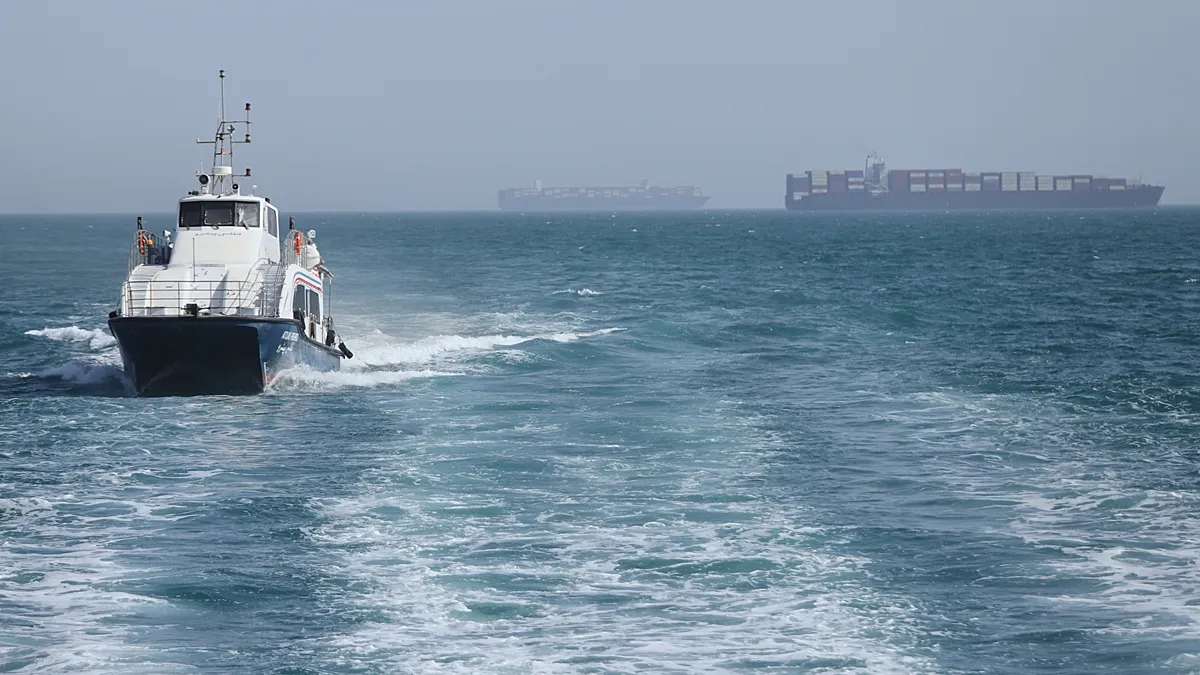
Meanwhile, cargo vessel traffic through the strait showed fluctuation. Tracking firm Kpler reported only five ships passing on Sunday, compared to 26 the prior day. By Monday, traffic climbed to 35, marking the busiest day since the conflict began, though still just a third of pre-war levels. Trump had previously vowed no tolls for 60 days during the ceasefire, but Ghalibaf declared the strait would “never revert to pre-war conditions,” affirming Iran’s control.
Regional Cooperation and U.S. Concerns
Iran and Oman released a joint statement outlining efforts to jointly manage the strait, aligning with international standards. They stressed sovereignty over their territorial waters. Omani officials reiterated that new mechanisms would not impose fees on commercial shipping, adding that the International Maritime Organisation is collaborating to create a temporary transit corridor. Ghalibaf and Foreign Minister Abbas Araghchi traveled from Switzerland to Muscat to advance implementation discussions.
Secretary of State Marco Rubio, during a regional tour in Abu Dhabi, rejected tolls on the strait, calling it an “international waterway” where no nation should levy charges. His focus on Gulf states’ concerns centered on the MOU’s omission of Iran’s missile program and regional alliances. IAEA Director General Rafael Grossi, speaking from Japan, noted that inspection teams could access Iranian sites within days, though Tehran’s response left the timeline unresolved.