Newsletter: Can the Recovery Conference mend a fraying partnership?
g partnership? Heatwave as a Backdrop Newsletter - The scorching summer heatwave sweeping across Europe has created an unusual backdrop for the Ukraine

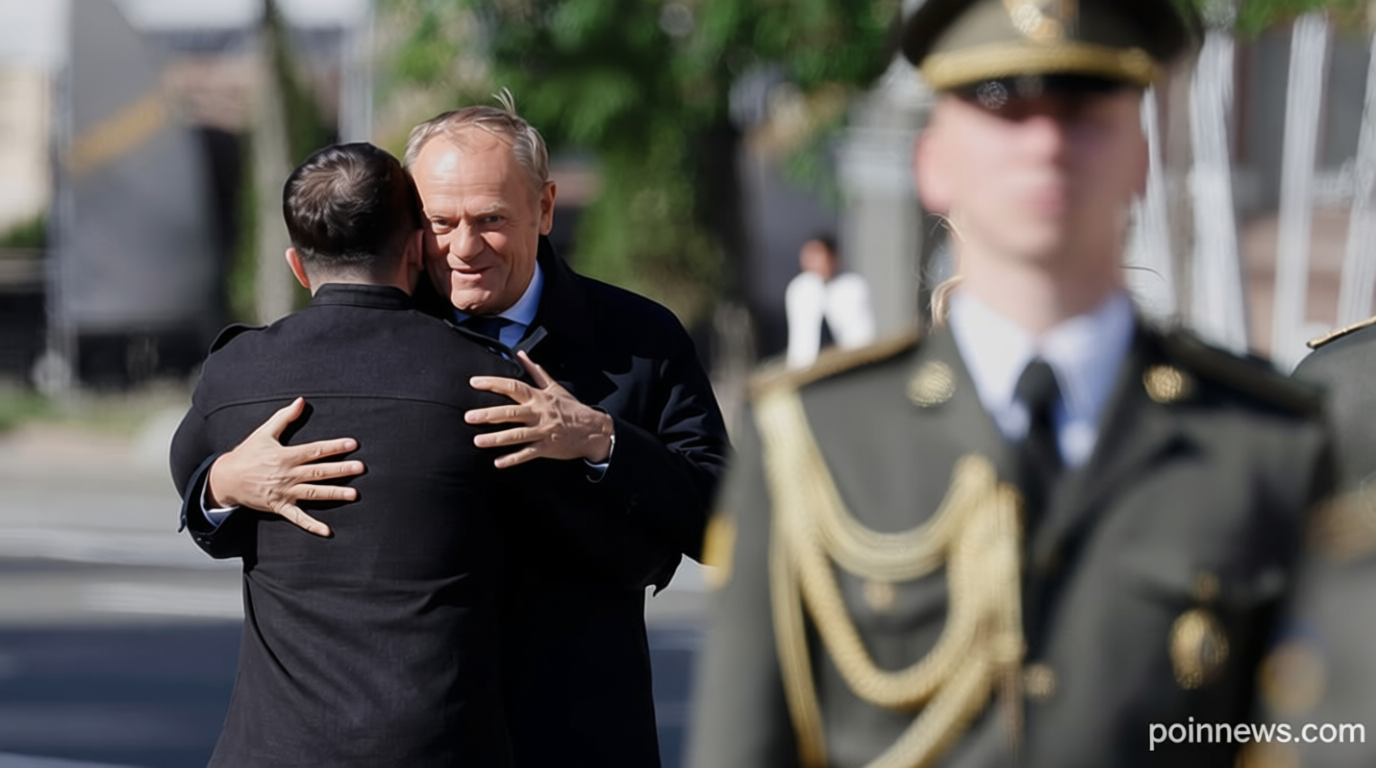
Newsletter: Can the Recovery Conference mend a fraying partnership?
Heatwave as a Backdrop
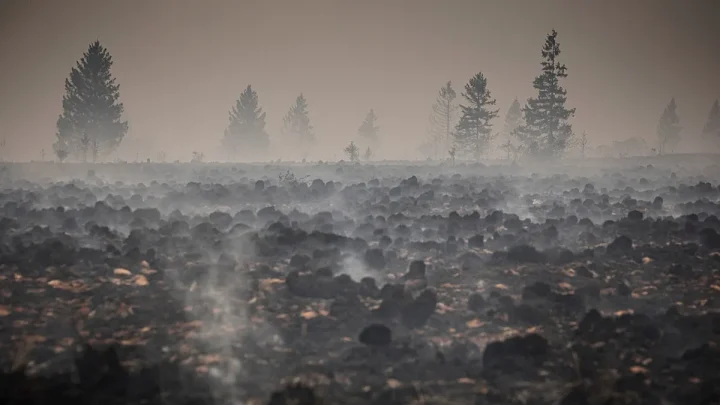
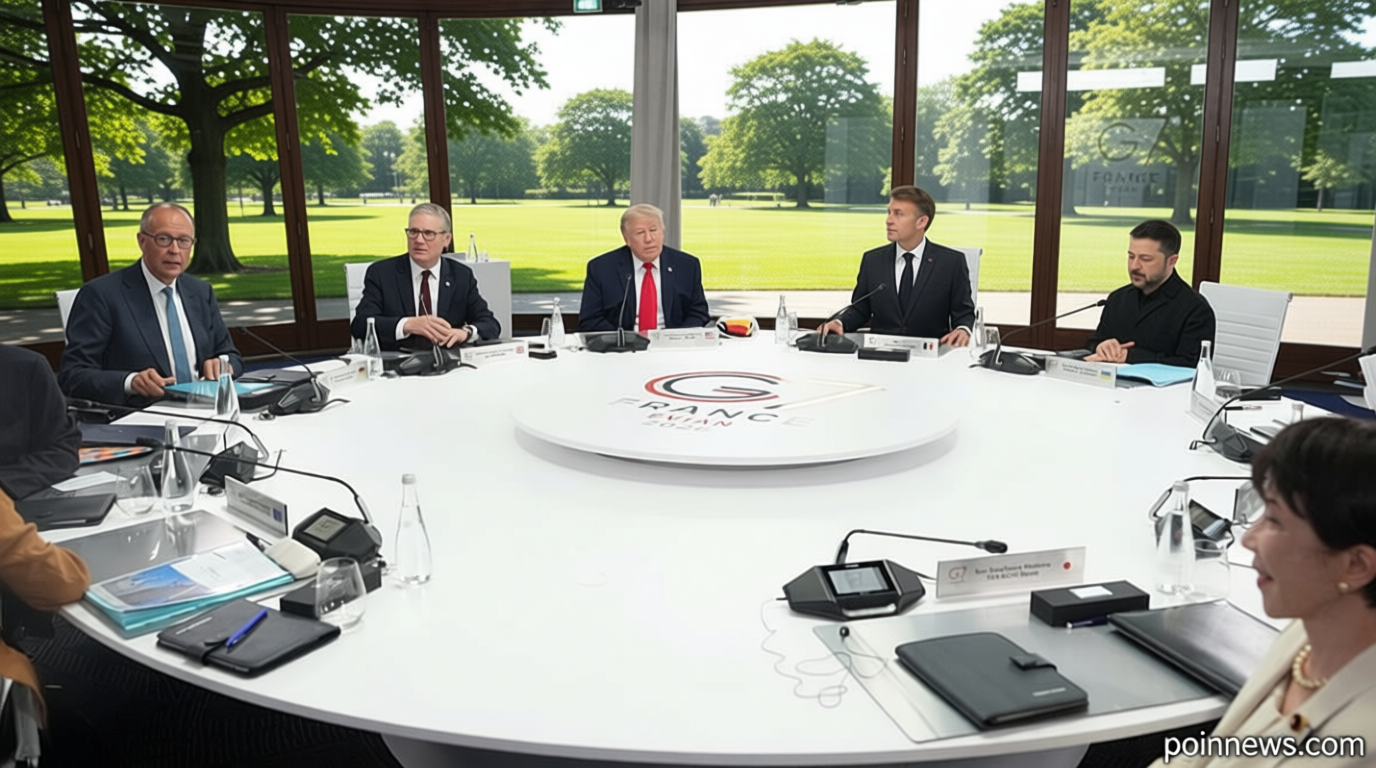
Poinews.com – The scorching summer heatwave sweeping across Europe has created an unusual backdrop for the Ukraine Recovery Conference, set to take place in Gdańsk. As temperatures soar, the event has drawn global attention, with nations like Belgium’s capital, Brussels, issuing heat alerts that mirror the intense political climate. This Newsletter aims to provide a comprehensive overview of the conference, highlighting its significance in addressing the growing rift between Ukraine and its European allies. The extreme weather conditions, however, are not just a metaphor for the heat of debate; they also underscore the urgency of the discussions, as leaders face mounting pressure to reach a consensus on the continent’s future.
As the sun beats down on the Baltic coast, the conference is expected to convene amid a mix of optimism and skepticism. The timing of the event, coinciding with a period of heightened environmental concerns, adds another layer to the discourse. While the immediate focus is on mending the partnership between Ukraine and its European partners, the broader implications of climate change and geopolitical strategy will also be on the agenda. This Newsletter will delve into these topics, offering insights into how the conference might shape the continent’s response to both natural and political challenges.
Political Tensions and Diplomatic Challenges
Amid the backdrop of a warming planet, political tensions between Ukraine and Poland are intensifying. A recent decision to name a military unit after the World War II-era Ukrainian Insurgent Army (UPA) has sparked controversy, drawing sharp criticism from Poland’s leadership. This move has been perceived as a symbolic gesture by Ukraine, aiming to reinforce its historical narrative, but it has also strained relations with Poland, which views the UPA as a nationalist group linked to wartime actions. The Ukraine Recovery Conference, therefore, becomes a critical platform for addressing these differences and finding common ground.
“Given Poland’s strategic security, I will not have a hand in fuelling these tensions,” stated Poland’s Prime Minister Donald Tusk during a recent press briefing. “It is in the long-term interests of Poland to build relations with Ukraine based on a vision of the future.”
Tusk’s remarks reflect the delicate balance of diplomacy required to navigate the growing divide. Ukraine’s delegation, led by Prime Minister Yulia Svyrydenko, will need to present a compelling case for their historical claims while acknowledging Poland’s security concerns. This Newsletter will track the progress of these talks, as well as the broader implications for Ukraine’s integration into European institutions.
NATO’s Strategic Outreach
As the Ukraine Recovery Conference unfolds, NATO’s Secretary-General, Mark Rutte, is simultaneously engaging in strategic outreach in Washington, DC. His visit to the U.S. capital includes meetings with key administration officials, such as Vice President Kamala Harris, to align on defense priorities and address lingering concerns about European spending. Rutte’s charm offensive is designed to reassure Washington of Europe’s commitment to the alliance’s goals, especially in light of recent criticisms from U.S. Secretary of Defense Lloyd Austin over NATO members’ defense budgets.
During his discussions, Rutte has emphasized the importance of the Newsletter in keeping the public informed about NATO’s evolving role in the Ukraine conflict. He pointed to a chart showcasing defense spending by European nations and Canada since Trump’s presidency, noting a significant increase in contributions. This data, he argued, demonstrates that the alliance is not only meeting its financial obligations but also adapting to new security realities. The Ukraine Recovery Conference, therefore, is seen as a vital opportunity to strengthen this partnership and ensure continued support from the U.S. and European nations alike.
Malta’s Role in the Partnership
While the main stage of the conference is in Gdańsk, the ripple effects of the event will be felt across the European Union. One such example is Malta, where European Commissioner for Rule of Law Michael McGrath will meet with the newly elected Prime Minister Robert Abela. Abela, who has led the Labour Party since 2020, is now tasked with navigating the complexities of Malta’s role in the Union’s response to Ukraine’s needs. His predecessor had faced scrutiny over corruption scandals linked to the 2017 assassination of journalist Daphne Caruana Galizia, a case that highlighted the challenges of maintaining integrity in EU governance.
The discussions between McGrath and Abela will be closely watched, as they aim to evaluate progress on the 2026 Rule of Law report. This Newsletter will monitor how Malta’s new leadership plans to address past controversies while reinforcing its commitment to the European partnership. The meeting also underscores the interconnected nature of the EU’s efforts, where the success of one nation’s initiatives can influence the broader narrative of the conference. As the event progresses, the role of the Newsletter in documenting these developments will remain central to understanding the evolving dynamics of the alliance.
Global Implications and Public Engagement
The Ukraine Recovery Conference is not just a regional event but a global one, with implications for international relations and economic cooperation. Leaders from across the European Union, as well as global partners, will gather to discuss funding mechanisms, trade agreements, and long-term strategic partnerships. The Newsletter will play a key role in disseminating updates from the conference, ensuring that stakeholders worldwide remain informed about the decisions that could reshape the future of European unity.
Public engagement is expected to be a highlight of the conference, with leaders addressing the concerns of citizens affected by the ongoing conflict. This includes discussions on energy security, economic stability, and the impact of sanctions on both Ukraine and its neighbors. The Newsletter will highlight these key points, offering readers a detailed analysis of how the conference addresses the multifaceted challenges of the partnership. As the talks continue, the Newsletter remains a vital resource for tracking the progress of these critical discussions.