Greenpeace criticises EU’s ‘deep incoherence’ over Hormuz energy shock
ponse to Hormuz Energy Crisis Greenpeace criticises EU s deep incoherence - Greenpeace has raised concerns about the EU's 'deep incoherence' in handling the

Greenpeace Criticises EU’s ‘Deep Incoherence’ in Response to Hormuz Energy Crisis
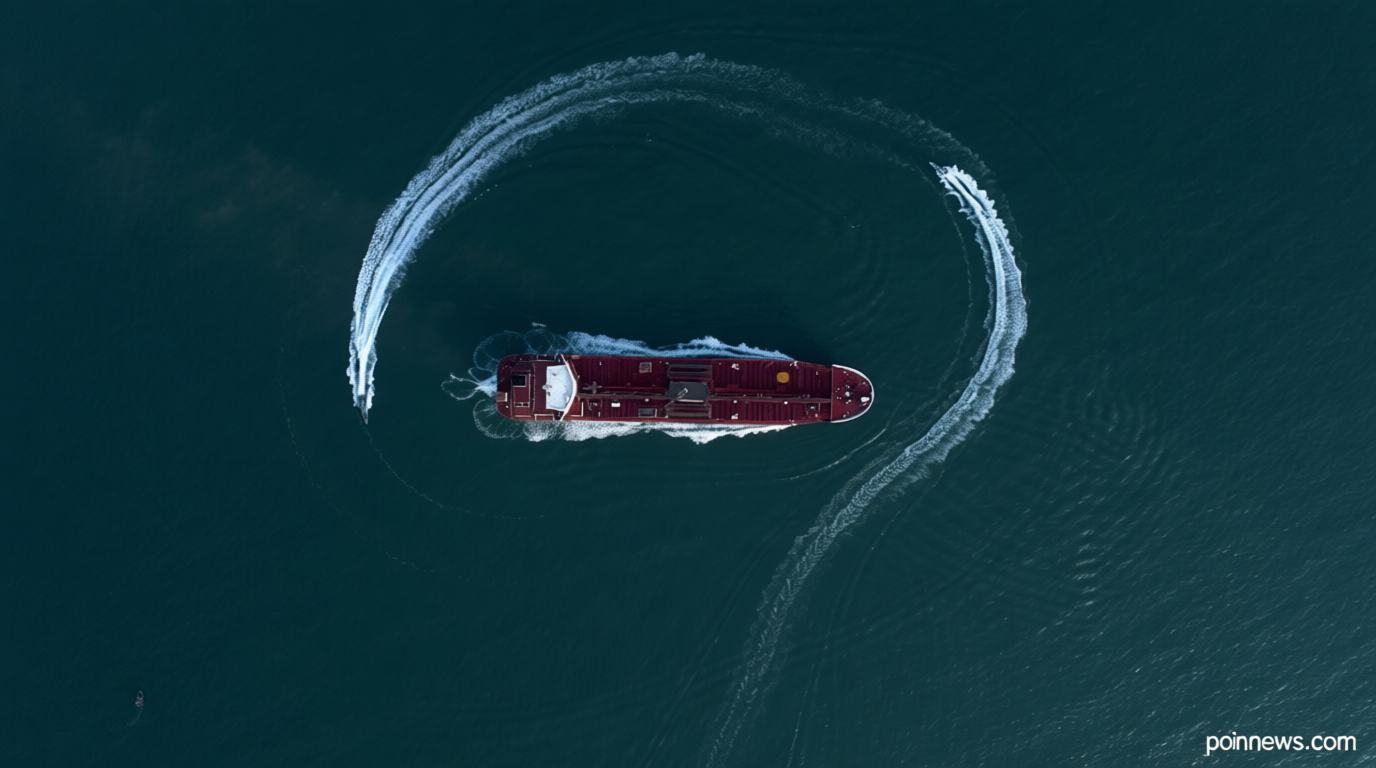
Poinews.com – Greenpeace has raised concerns about the EU’s ‘deep incoherence’ in handling the energy shock caused by the Iranian conflict. The organization highlights how the bloc’s response to the blockade of the Strait of Hormuz has been inconsistent, with member states failing to align their strategies despite the shared economic impact. The war, which began over 100 days ago, has triggered a global surge in oil and gas prices, leaving European markets struggling to adapt. In Spain, for instance, fuel prices have risen by more than 34% in some regions, exacerbating the financial burden on households. Greenpeace argues that this fragmented approach undermines efforts to transition toward sustainable energy solutions, revealing a lack of unified political will.
EU Measures and Inconsistent Policies
The EU has implemented various measures to mitigate the effects of the energy crisis, but Greenpeace points out that these efforts are marked by ‘deep incoherence.’ While some nations have introduced targeted subsidies for vulnerable households, others have focused on supporting fossil fuel industries, which has fueled criticism. The report, titled ‘Fossil Bail-out or Energy Transition: Spain and the Strait of Hormuz Crisis,’ published on Thursday, underscores that even as the EU promotes renewable energy initiatives, its immediate response has favored short-term fixes over long-term sustainability. This includes approving nearly 11.8 billion euros in financial aid to stabilize energy bills, a move that has drawn scrutiny for its regressive nature.
Greenpeace’s analysis reveals that EU countries have demonstrated a deep incoherence in their energy strategies, prioritizing fossil fuel bailouts over renewable investments. The organization argues that this contradiction is not only evident in the allocation of funds but also in the policies that have been enacted to address the crisis.
The financial aid packages vary significantly across the bloc, with Spain’s government allocating over 5 billion euros through a fiscal plan. This sum is meant to support households and businesses affected by the rising costs, yet Greenpeace contends that it falls short of addressing systemic issues. Meanwhile, Germany and the Netherlands have provided smaller amounts, ranging from 430 million to 1.62 billion euros, which suggests a lack of consensus on the scale of the problem. Such disparities highlight the EU’s fragmented approach, with each nation acting in its own interest rather than as a cohesive unit.
Spain’s Energy Strategy and Structural Challenges
Spain’s energy strategy, which includes reducing taxes on all energy types, has been criticized by Greenpeace for its ‘deep incoherence.’ The government lowered the VAT on motor fuels and natural gas from 21% to 10%, while also implementing price caps. While these measures have provided temporary relief, the organization argues that they lack precision and fail to address the root causes of the energy crisis. Spain’s commitment to renewable energy has been notable in recent years, yet the country remains dependent on volatile fossil fuel sources, which Greenpeace claims is a contradiction in its energy policy.
Although Spain’s recent expansion of renewable energy has helped insulate the country from soaring bills, its current approach to the Hormuz crisis reveals a deep incoherence in balancing short-term economic needs with long-term climate goals.
Greenpeace emphasizes that Spain’s energy transition has been inconsistent with broader social and regional planning, leading to localized disputes and uneven benefits. The report criticizes the overreliance on large industrial firms to drive renewable energy projects, arguing that this undermines community-driven solutions. As the energy shock continues, the organization calls for a more coordinated EU strategy that aligns with its climate commitments, rather than a patchwork of measures that prioritize immediate economic relief over sustainable change.
Energy Poverty and Policy Implications
The energy crisis has worsened energy poverty in Spain and other EU nations, with vulnerable populations bearing the brunt of rising costs. Greenpeace highlights how regressive policies, such as tax cuts on energy and subsidies for fossil fuels, have deepened the divide between wealthier and poorer households. These measures, while intended to provide short-term support, often benefit large corporations at the expense of low-income families. The report argues that such policies reflect a deep incoherence in the EU’s energy strategy, where the goals of affordability and sustainability are at odds.
Greenpeace’s analysis shows that the EU’s deep incoherence is not just a matter of policy inconsistency but also a systemic issue that perpetuates energy poverty and hinders progress toward a greener future.
To address this, the organization advocates for a shift in focus toward targeted support for low-income households and localized energy communities. This would require more than just tax reductions—it demands structural reforms that ensure equitable access to affordable energy. Spain’s experience with the Hormuz crisis serves as a case study for the EU’s broader challenges in balancing economic stability with environmental responsibility. By highlighting these gaps, Greenpeace aims to push for a more unified and coherent approach to energy policy across the bloc.