Video. Mumbai monsoon floods streets and disrupts travel
Mumbai Monsoon Floods: A Deluge That Disrupts the City's Rhythm Mumbai monsoon floods streets and disrupts - Heavy monsoon rains have unleashed catastrophic

Mumbai Monsoon Floods: A Deluge That Disrupts the City’s Rhythm
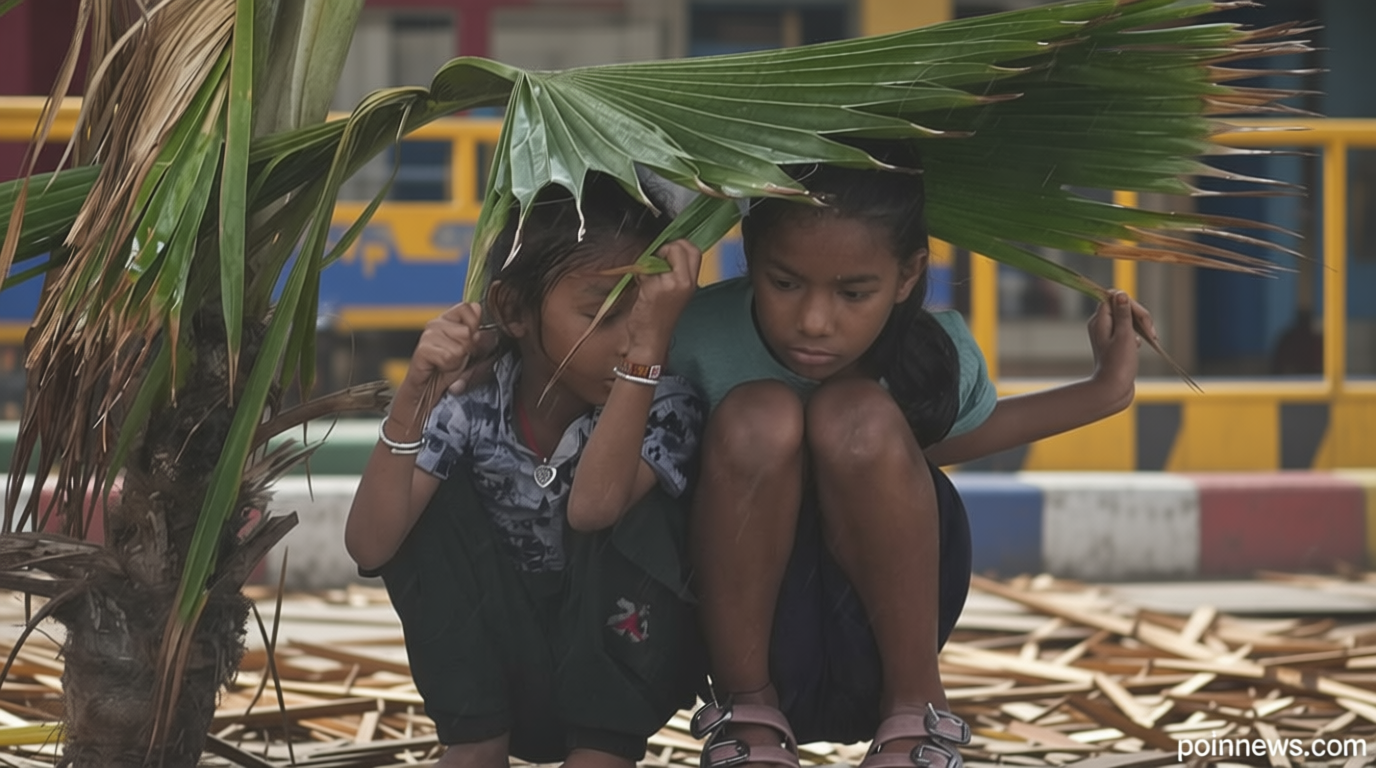
Poinews.com – Heavy monsoon rains have unleashed catastrophic flooding across Mumbai, plunging its bustling streets into chaos and severely disrupting daily travel for thousands of residents. The financial capital of India, known for its vibrant urban life and towering skyscrapers, now finds itself grappling with waterlogged roads, submerged neighborhoods, and stalled public transportation. As of the latest reports, floodwaters have inundated major thoroughfares, including the iconic Marine Drive and key commercial hubs, forcing pedestrians to navigate through knee-deep currents while vehicles struggle to maneuver across impassable stretches. The monsoon floods in Mumbai have not only overwhelmed infrastructure but also disrupted essential services, highlighting the vulnerability of the city to extreme weather events.
The impact of the monsoon floods in Mumbai has been both immediate and widespread, with residents recounting harrowing experiences of wading through torrential rain and navigating flooded streets. Schools, offices, and markets have been forced to close, leaving families stranded and businesses grappling with significant losses. Public transport systems, including the suburban rail network and buses, have been crippled, with delays stretching for hours and some routes completely shut down. Commuters have resorted to alternative modes of travel, such as rickshaws and boats, while emergency services work tirelessly to rescue stranded individuals and clear debris from the city’s arteries. The severity of the situation underscores the critical need for improved flood management infrastructure in a city that is often at the mercy of seasonal monsoons.
Delayed Monsoon Rains Intensify the Crisis
What makes the current monsoon floods in Mumbai particularly alarming is the fact that the seasonal rains arrived over two weeks late, exacerbating the city’s drainage challenges. This delay, combined with the intensity of the downpours, has led to unprecedented water accumulation in low-lying areas, where the floodwaters have persisted for days. Experts warn that the prolonged absence of rain has left the soil parched, making it harder for the ground to absorb the sudden influx of water. As a result, streets have become rivers, and entire neighborhoods have been turned into islands, with some areas experiencing water levels that exceed two meters in height. The monsoon floods in Mumbai are not just a seasonal inconvenience but a stark reminder of the city’s susceptibility to climate-induced disruptions.
Authorities have been working around the clock to mitigate the effects of the monsoon floods in Mumbai, deploying sandbags, sand, and pumps to divert water from critical zones. However, the scale of the disaster has overwhelmed their capacity, with officials admitting that the situation is “beyond control” in certain areas. The Brihanmumbai Municipal Corporation (BMC) has issued advisories urging citizens to stay indoors and avoid unnecessary travel, while the Indian Navy has launched rescue operations using boats to reach flood-affected regions. Despite these efforts, the monsoon floods in Mumbai continue to claim lives, with at least three reported fatalities so far, and hundreds of people still unaccounted for in submerged areas. The crisis has also exposed the fragility of the city’s drainage systems, which were already under strain due to rapid urbanization and encroachment on natural waterways.
Resilience in the Face of Nature’s Fury
Amid the devastation caused by the monsoon floods in Mumbai, stories of community resilience and solidarity have emerged. Locals have taken to social media to share photos of makeshift shelters, with families using rooftop areas and schools as temporary relief centers. Volunteers have mobilized to help distribute food, water, and medical supplies to those affected, while fishermen and boat operators have become lifelines for residents trapped in flood-affected zones. These grassroots efforts, though vital, underscore the need for a more robust and coordinated response from the government. Meanwhile, the Indian government has pledged to allocate additional funds for flood mitigation projects, including the construction of new drainage systems and the restoration of existing ones. The monsoon floods in Mumbai have not only tested the city’s infrastructure but also its ability to adapt and recover in the face of natural disasters.
The monsoon floods in Mumbai have also had a profound economic impact, disrupting trade, tourism, and the city’s role as a financial hub. The stock market has seen fluctuations, with investors expressing concerns over the potential slowdown in business activities. Hotels and restaurants, particularly in the Colaba and South Mumbai districts, have reported a sharp decline in customers, while markets like Crawford Market have been left in disarray. The transportation sector has borne the brunt of the crisis, with cargo ships and ferries unable to operate efficiently, leading to delays in the supply chain. For many, the monsoon floods in Mumbai represent more than just a weather event—they are a harbinger of the challenges that lie ahead as climate change intensifies the frequency and severity of extreme weather conditions.
As the monsoon floods in Mumbai continue to unfold, officials have called for increased coordination between state and local authorities to ensure a swift and effective response. The Brihanmumbai Municipal Corporation has announced plans to deploy additional rescue teams and set up temporary shelters in flood-prone areas. Meanwhile, the Maharashtra government has imposed a state of emergency, authorizing the use of military personnel to assist in relief operations. The situation has also prompted a renewed debate about climate resilience and the need for long-term infrastructure investments to prevent future disasters. With the monsoon season still in full swing, experts warn that the flooding could worsen, particularly if the weather remains erratic and heavy rainfall persists for several more days. Mumbai’s struggle against the monsoon floods is a testament to both its challenges and its enduring spirit in the face of adversity.