Video. Lebanon air raids kill 18 as residents flee southern villages
ill 18 as Residents Flee Southern Villages Lebanon air raids kill 18 as residents - Recent air raids in Lebanon have left a devastating impact, with at least

Lebanon Air Raids Kill 18 as Residents Flee Southern Villages
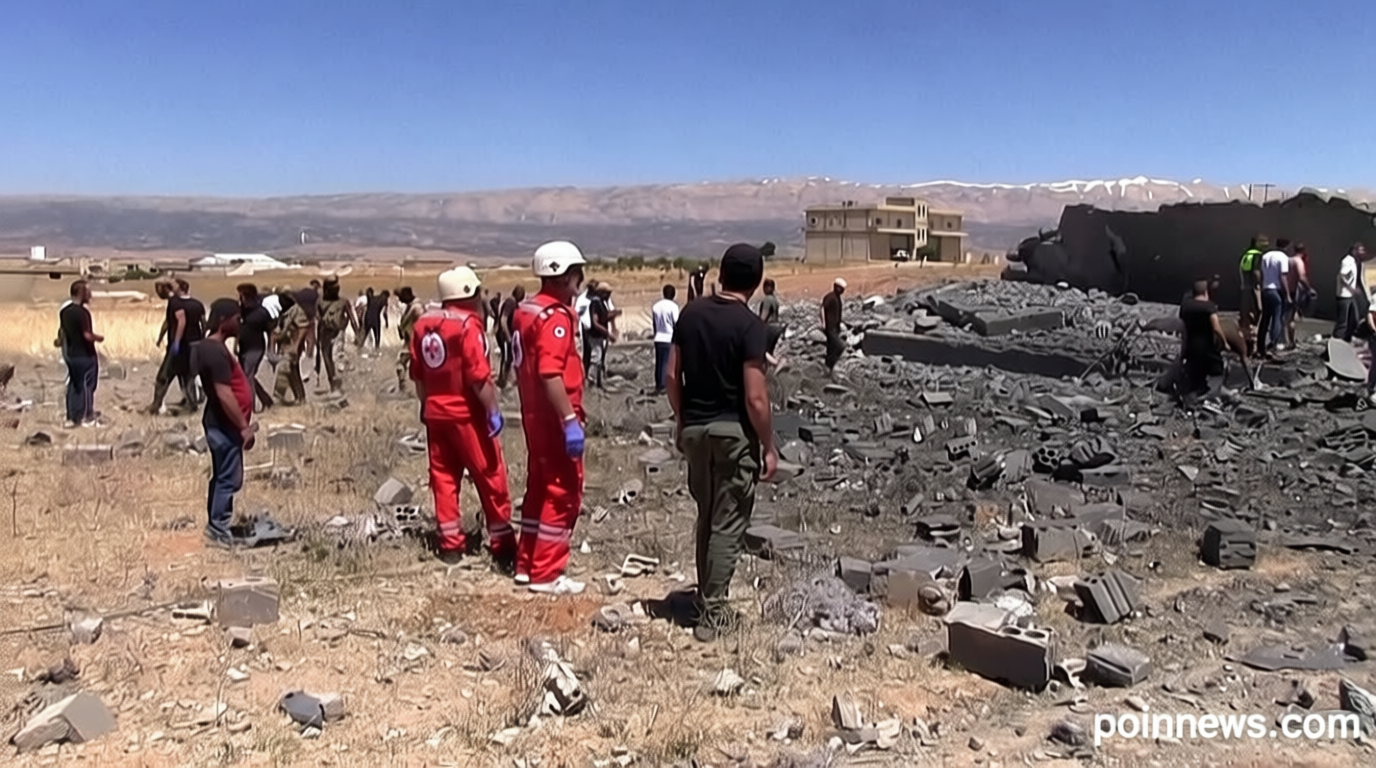
Poinews.com – Recent air raids in Lebanon have left a devastating impact, with at least 18 casualties reported in southern regions. The strikes, which targeted several villages, including Nabatiyeh al-Faouqa, Choukine, and Kfar Sir, triggered widespread panic among local residents. Thick smoke billowed from the affected areas, and the sound of explosions echoed through the region, forcing families to evacuate their homes in a rush. This escalation in violence comes amid ongoing tensions between Israeli forces and Hezbollah, with the conflict showing no signs of abating despite recent diplomatic efforts.
Context of the US-Iran Agreement
The attacks occurred just days after the United States and Iran signed a framework agreement aimed at reducing hostilities in the region. The deal, which includes provisions for a 60-day ceasefire, was intended to create a pause in the fighting involving multiple fronts, such as Lebanon. However, the Israeli military has claimed that the agreement does not fully address their security concerns, particularly regarding Hezbollah’s presence in southern Lebanon. Despite the diplomatic progress, the recent air raids indicate that the situation remains volatile, and the fragile truce may be challenged by continued military action.
Residents in the affected villages described the aftermath as chaotic, with many stranded on roads and in open fields. In the Baalbek district, ambulances, civil defense teams, and army units mobilized to rescue survivors and assess damage. Burned-out cars and damaged infrastructure littered the scene, highlighting the intensity of the strikes. Further south, traffic surged across the Qasmieh Bridge connecting Tyre and Sidon as people fled to safer areas. The displacement of civilians has raised concerns about the humanitarian impact of the ongoing conflict, with reports of limited access to basic necessities in the region.
Escalation of Tensions and Military Actions
Israeli forces have intensified their operations in southern Lebanon, targeting Hezbollah positions and supply routes. The military claimed that the strikes were a response to increased rocket fire from the group, which has been launching attacks into Israeli territory. This cycle of retaliation has deepened the humanitarian crisis, with displaced families seeking shelter in urban centers and refugee camps. The 18 casualties reported in the air raids mark one of the deadliest episodes since the US-Iran agreement was announced, raising questions about the effectiveness of the diplomatic initiative in curbing hostilities.
While the US-Iran agreement has provided a temporary framework for peace, the lack of direct participation from Israel and Hezbollah has left the deal vulnerable. The two groups continue to engage in skirmishes, with Hezbollah accusing Israel of violating the ceasefire terms. Meanwhile, Israeli officials have expressed frustration, emphasizing the need to protect their citizens from cross-border attacks. The region’s fragile stability is now at risk, as the air raids and subsequent evacuations underscore the ongoing threat posed by the conflict. Analysts warn that without sustained political commitment, the violence could escalate further, affecting both Lebanon and neighboring countries.
International reactions to the Lebanon air raids have been swift, with several countries calling for a review of the US-Iran agreement. The United Nations has urged all parties to prioritize civilian safety, while European nations have expressed concern over the humanitarian fallout. Meanwhile, Lebanese officials have reiterated their desire for a lasting ceasefire, though they admit that the current situation is far from stable. The estimated 18 deaths and widespread displacement have reignited discussions about the need for a more comprehensive peace deal that includes all key players in the region. As the situation unfolds, the focus remains on how these air raids will shape the future of the conflict and the lives of those caught in its crossfire.
Residents in the southern villages have shared harrowing accounts of the attacks, describing the suddenness of the bombings and the fear that gripped their communities. Many fled with little more than what they could carry, leaving behind homes, businesses, and livestock. In the aftermath, makeshift shelters have been set up in schools and mosques, while aid organizations work to distribute supplies. The emotional toll on the population is evident, with families reunited in refugee camps and children missing school due to the crisis. As the dust settles, the question remains: will these attacks serve as a turning point in the region’s long-standing conflict, or will they continue to fuel instability and suffering?