France takes nuclear reactors offline amid record heatwave
France Takes Nuclear Reactors Offline Amid Record Heatwave France takes nuclear reactors offline amid an unprecedented heatwave that has gripped the nation

France Takes Nuclear Reactors Offline Amid Record Heatwave
Poinews.com – France takes nuclear reactors offline amid an unprecedented heatwave that has gripped the nation, prompting EDF, the state-controlled energy company, to temporarily halt operations at two reactors as a preventive measure. This decision underscores the growing intersection between climate extremes and energy production, with France taking nuclear reactors offline to mitigate environmental risks. The shutdowns are part of a larger strategy to manage the crisis, as soaring temperatures threaten both public safety and the delicate balance of ecosystems. With over 40 drowning incidents reported since June 18 and at least 18 heat-related deaths confirmed, the government and energy providers are racing to adapt to the escalating conditions.
Environmental and Operational Challenges
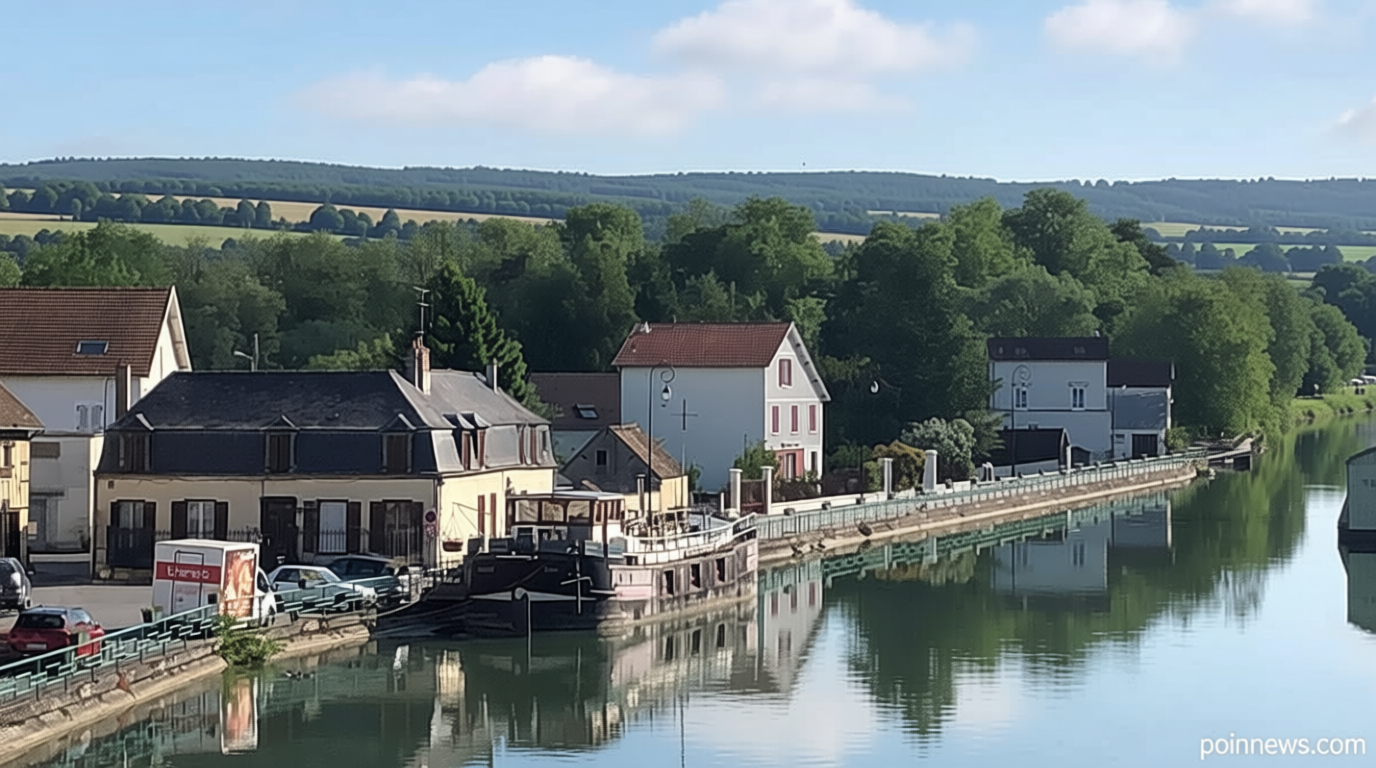
France takes nuclear reactors offline due to rising river temperatures, which have reached dangerous levels in key regions like the Seine and Rhône rivers. The Nogent-sur-Seine plant, located north of Paris, and the Bugey facility near Lyon were among the first to be affected, as EDF sought to comply with environmental regulations to protect aquatic life. Nuclear power plants rely on river water for cooling, and France takes nuclear reactors offline when temperatures exceed safe thresholds to prevent thermal pollution. These measures are not only critical for maintaining water quality but also for safeguarding the biodiversity that thrives in these rivers.
“To limit the temperature increase between the water withdrawn from the Seine and the water discharged back into it, thereby protecting aquatic plant and animal life,”
EDF reiterated in its official statement. The company had already reduced output at one reactor at the Nogent-sur-Seine plant earlier in the week, signaling a proactive approach to crisis management. On Monday, an additional reactor at the Golfech facility on the Garonne River in southwestern France was taken offline, following similar reductions at other sites across EDF’s 57-reactor network. These reactors account for nearly 70% of France’s electricity generation last year, making their temporary shutdowns a significant disruption to the energy supply chain.
Broader European Heatwave Context
The heatwave affecting France is part of a larger pattern sweeping across Europe, with temperatures reaching record highs in multiple countries. France takes nuclear reactors offline as a response to this crisis, but the impact is felt beyond its borders. Germany, Spain, Portugal, and Switzerland are also grappling with scorching conditions, leading to widespread disruptions in daily life. Schools in several regions have closed early, and train services in cities like Paris and Brussels have been scaled back to avoid mechanical failures, highlighting the far-reaching consequences of extreme weather.
As the heatwave intensifies, experts warn that such events are becoming more frequent and severe. Scientists note that parts of Europe now experience up to 40 extra days of extreme heat stress annually compared to the 1970s, a trend linked to climate change. The energy strain is evident, as the June and July heatwave last year saw daily power demand surge by 14%, pushing electricity prices to double or triple during peak periods. With France taking nuclear reactors offline, the question remains: how will the country maintain energy security during these prolonged heat events?
Public Response and Preparedness
France takes nuclear reactors offline has sparked a mix of public concern and support, as citizens grapple with the dual challenge of high energy costs and environmental protection. Authorities have urged residents to stay indoors during peak heat hours, conserve electricity, and monitor water levels in rivers to prevent further disruptions. The grid operator RTE has stated that France’s energy infrastructure remains resilient, even with some reactors offline, but the situation is a test of preparedness. With more than half of France’s 96 departments under red alert, the country is racing to ensure that emergency measures are in place to protect both people and power systems.
Public awareness of the heatwave’s impact has grown rapidly, with social media platforms flooded with updates and safety tips. Many have highlighted the importance of France taking nuclear reactors offline as a step toward sustainable energy practices. However, the economic fallout is also significant, as the temporary shutdowns could lead to higher energy prices and increased reliance on alternative sources like gas and renewables. This shift may have long-term implications for France’s energy policy, as the nation seeks to balance environmental stewardship with the need for reliable power generation.
Future Implications for Energy Strategy
As France takes nuclear reactors offline, the incident has sparked a broader discussion about the future of nuclear energy in the context of climate change. While nuclear power remains a cornerstone of France’s energy mix, providing about 70% of its electricity, the country is now exploring ways to enhance the resilience of its infrastructure. The government has emphasized the importance of France taking nuclear reactors offline as a temporary solution, but long-term adjustments may be necessary. These could include investing in advanced cooling technologies, diversifying energy sources, or revising operational protocols to better withstand extreme weather events.
The heatwave also serves as a reminder of the vulnerabilities inherent in large-scale energy systems. With France taking nuclear reactors offline, it highlights the need for greater flexibility in energy production and distribution. Experts suggest that the country should integrate more renewable energy sources, such as solar and wind, to complement its nuclear grid. Additionally, improving grid efficiency and storage capabilities could help mitigate the effects of future heatwaves. As the climate continues to warm, France’s ability to adapt its energy strategy will be crucial in ensuring both environmental and energy security for the years to come.