NATO chief Rutte defends allies as Trump says he was ‘let down’ on Iran
NATO Chief Rutte Defends Allies Amid Trump's Iran Criticism NATO chief Rutte defends allies as Trump criticizes the alliance over its stance on Iran.

NATO Chief Rutte Defends Allies Amid Trump’s Iran Criticism
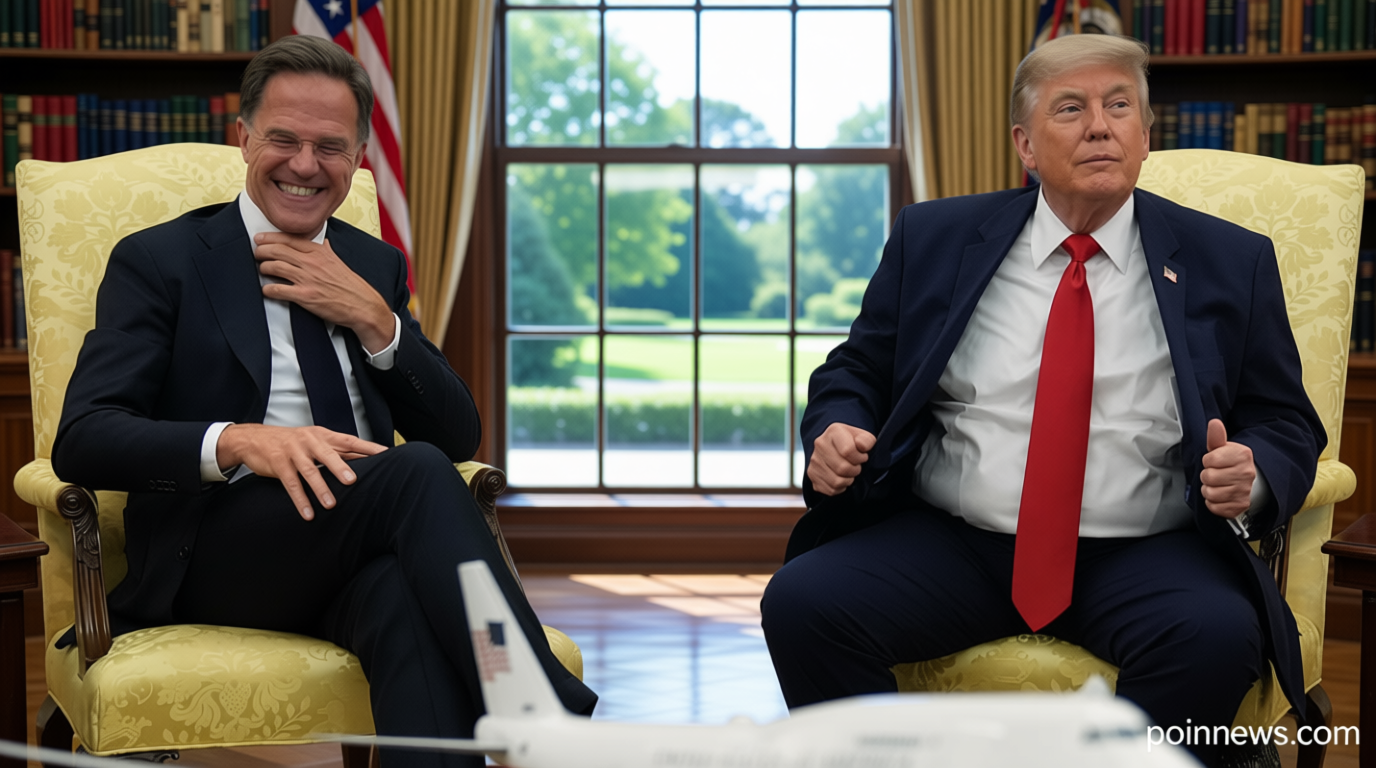
Poinews.com – NATO chief Rutte defends allies as Trump criticizes the alliance over its stance on Iran. During a high-stakes meeting in Washington, NATO Secretary General Mark Rutte engaged in a tense exchange with US President Donald Trump, who accused the alliance of failing to back his aggressive military campaign against Iran. Rutte, known for his steadfast commitment to European unity, emphasized the collective resolve of NATO members despite Trump’s recent frustrations. The operation, which commenced on February 28, involved coordinated strikes by American and Israeli forces, yet Trump argued that key European allies had not provided sufficient support, leaving the US to shoulder the bulk of the effort alone.
The Clash of Strategies: Trump’s Demands vs. Rutte’s Diplomacy
“NATO chief Rutte defends allies by highlighting their shared goals and long-term cooperation,” said Rutte in a press conference following the meeting. “While some individual decisions may have caused temporary concern, the alliance remains united in its defense of collective interests.”
Rutte’s comments came in response to Trump’s sharp criticism, which echoed a broader pattern of the US leader’s skepticism toward European contributions to global security. Trump accused NATO of lacking commitment, stating that the alliance had “let him down” by not fully endorsing the military actions against Iran. This tension reflects a growing rift between the US and its European allies, as Trump pushes for greater financial and strategic independence from the alliance.
Rutte’s defense of allies is rooted in the coalition’s historical role as a cornerstone of transatlantic security. He pointed to the strong diplomatic ties and joint defense initiatives that have kept NATO functioning despite political differences. However, Trump’s approach has sparked debates about the alliance’s evolving structure. By bypassing formal NATO consultations before launching the operation, Trump signaled a shift toward unilateral action, a move that Rutte acknowledged as a challenge but not a defeat.
Logistical Support and the Debate Over Complicity
The Italian defense ministry’s clarification about the logistical role of NATO bases in the operation adds nuance to the conflict. While Trump claimed the bases were used for combat strikes, Italy insisted they were primarily for technical and supply purposes. This distinction is crucial, as it aims to distance NATO from direct complicity in the attack. Rutte reinforced this stance, noting that the alliance’s involvement was strategic and not a sign of weakness.
“NATO chief Rutte defends allies by ensuring they remain active participants in key operations,” remarked a senior European diplomat. “Even as Trump demands more, the alliance continues to demonstrate its value through shared resources and collective decision-making.”
The debate over complicity underscores the complexities of international alliances. While Iran accused NATO of enabling the strike, Rutte emphasized that the alliance’s support was consistent with its principles of solidarity and mutual defense. This approach highlights the delicate balance between maintaining unity and addressing individual concerns within the alliance.
Rutte’s defense of allies also addresses the broader implications of Trump’s policies. As the US president shifts focus toward global dominance and reduced European reliance, Rutte argues that NATO’s strength lies in its collaborative spirit. He pointed to the recent NATO summit in Ankara, where tensions over defense spending and strategic priorities are expected to dominate discussions. Despite Trump’s criticisms, Rutte remains confident that the alliance will prevail through diplomatic engagement and shared goals.
Context and Implications for NATO’s Future
The operation against Iran has intensified scrutiny of NATO’s internal dynamics. Trump’s frustration is part of a larger pattern, as he has frequently criticized European allies for their perceived lack of enthusiasm in military endeavors. Rutte, however, sees this as a temporary phase, arguing that the alliance’s foundational principles have not been undermined. “NATO chief Rutte defends allies by reinforcing the importance of long-term partnerships, even in moments of disagreement,” he said, stressing that the operation was a joint effort with clear European involvement.
As the NATO summit approaches, the discussions will likely focus on addressing these tensions. Rutte’s defense of allies has become a central theme, as he seeks to unify the alliance amid growing divisions. The summit provides an opportunity to reaffirm NATO’s commitment to collective security, even as Trump pushes for a more assertive US-led strategy. With Russia’s influence rising in the region, Rutte’s arguments for continued alliance cooperation are more relevant than ever, underscoring the importance of NATO chief Rutte defending allies in a time of geopolitical uncertainty.