How much do we really know about microplastics? | Euronews Tech Talks
Euronews Tech Talks The Birth of a Term How much do we really know - The term “microplastics” was first introduced in 2004 by Richard Thompson, a marine

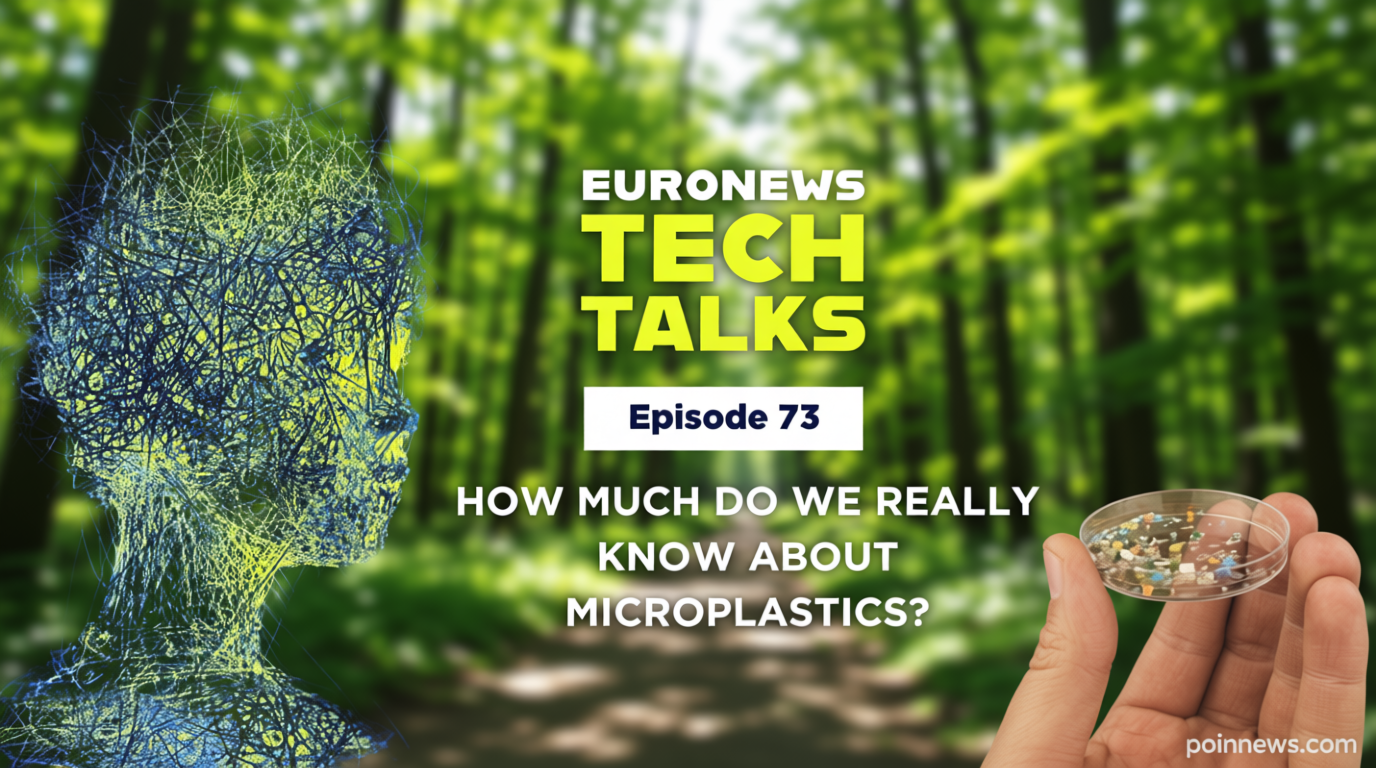
How Much Do We Really Know About Microplastics? | Euronews Tech Talks
The Birth of a Term
Poinews.com – The term “microplastics” was first introduced in 2004 by Richard Thompson, a marine biology professor at the University of Plymouth. Since then, scientists have been investigating its role in environmental and human health. Yet, despite two decades of study, many questions remain unanswered.
Categories and Sources
Microplastics refer to minute plastic fragments smaller than 5 millimetres. They are typically split into primary and secondary types. Primary microplastics are manufactured for specific uses, such as in cosmetics or industrial processes. Secondary microplastics result from the degradation of larger plastic items. However, another classification has emerged, highlighting microfibers from textiles as a distinct category. Francesco Regoli, vice rector for research at the Polytechnic University of Marche, notes that fast fashion and inadequate recycling systems make this third group a critical contributor to pollution.
Impact on Ecosystems
These tiny particles affect both marine and terrestrial environments. In oceans, their size, shape, and chemical composition determine their impact on marine species. As Regoli explains in a
“In smaller organisms, they can cause physical harm, mechanical blockage, or trigger immune responses. Some even exhibit genotoxic effects.”
On land, microplastics disrupt soil quality, influencing fertility, plant growth, and agricultural output.
Human Health Concerns
While the presence of microplastics in everyday environments is well-established, their effects on human health are less clear. Heather Leslie, an independent scientist from Amsterdam, states in a
“They’re present in the very room you’re currently occupying. Outside, they’re also in the air. They accumulate on roads, from car tires, clothing, and packaging.”
However, the link between exposure and health outcomes remains uncertain. Leslie adds,
“We lack sufficient evidence to confirm that specific microplastics will lead to defined health issues.”
Still, research suggests microplastics may carry toxic chemicals like PFAS, some of which are carcinogenic. Animal and cell studies also link them to inflammation and immune system damage.
Tackling the Challenge
Leslie proposes two strategies to reduce microplastics exposure: long-term collective efforts and short-term individual choices. She emphasizes that group action, such as influencing policy, is essential. Meanwhile, personal steps like replacing single-use plastics can be practical. Contrary to common belief, she argues that reducing plastic dependence doesn’t always require a large financial investment.
“Every time you choose a reusable cup instead of a single-use plastic one, you save money.”
Regoli, meanwhile, acknowledges the problem’s persistence, noting that plastic production continues to grow. Even if production were cut drastically, he says, the oceans are already saturated with microplastics. Nonetheless, he remains optimistic:
“What we’ve learned in 10 years of focused research is significant.”