‘Climate change is running rampant’: Europe’s heatwave ‘virtually impossible’ 50 years ago
‘Climate change is running rampant’: Europe’s heatwave ‘virtually impossible’ 50 years ago Climate change is running rampant - Europe is enduring an intense


‘Climate change is running rampant’: Europe’s heatwave ‘virtually impossible’ 50 years ago
Poinews.com – Europe is enduring an intense heatwave, with temperatures reaching levels that would have been nearly unthinkable a few decades ago. Scientists are highlighting the accelerating effects of climate change, which has made such extreme conditions increasingly common. The current heatwave has disrupted daily life, affecting schools, hospitals, transportation, and outdoor work environments across the continent.
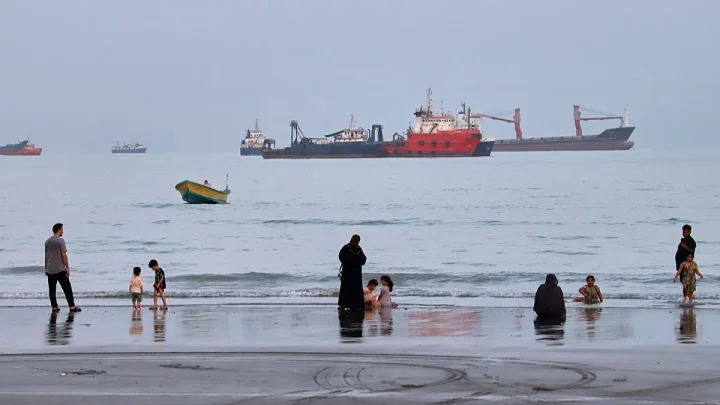
France has seen a sharp rise in drowning incidents following its record-breaking day, which marked the hottest temperature since records began. Meanwhile, the UK is preparing for peak temperatures of 38°C, having already recorded its warmest June day in history at 36.1°C. While the heat is expected to ease in Western Europe, forecasters warn that regions like Hungary, Bulgaria, and the Czech Republic could face temperatures exceeding 41°C over the weekend.
These countries, typically less exposed to extreme weather, are not as well-equipped to handle the heat as Mediterranean nations. The extreme conditions are driven by a high-pressure system that has stalled over Europe, trapping hot air and drawing in warmth from the Sahara. A recent analysis by World Weather Attribution (WWA) reveals that the current heatwave’s temperatures would have been “virtually impossible to occur at this time of year” as recently as 1976, just half a century ago.
Historical Climate Comparison
The WWA study compared today’s heatwave with historical climate patterns, finding that similar events in the past would have been 3.5°C cooler. “The science behind how climate change intensifies heatwaves is well-established,” notes Dr Theodore Keeping of Imperial College London. “Ongoing fossil-fuel emissions are directly responsible for the disruptions people are facing this week in their homes, schools, and workplaces.”
Dr Keeping adds that the pace of warming is alarming. “Every few years, we witness heat records being broken in Europe. This year, it has happened in consecutive months.” The analysis also emphasizes that nighttime temperatures, which have kept many Europeans awake, are now 100 times more likely to occur than they were 23 years ago, during the 2003 heatwave.
Tropical nights—periods where temperatures remain above 20°C for 24 hours—have become widespread this week. These conditions can impair the body’s ability to recover from daytime heat, contributing to health risks. Research links prolonged nighttime warmth to higher mortality rates, especially among older adults and those with chronic health issues.
Global Impact and Solutions
Out of 854 cities analyzed across 30 European countries, 45% are projected to surpass or break their all-time Wet Bulb Globe Temperature (WBGT) records in late June. WBGT measures heat stress and the body’s capacity to cool itself through sweating. A separate study in Nature found that southern regions like Spain, Italy, Greece, and Turkey may experience up to 40 extra days of severe heat stress compared to the 1970s.
Heat stress manifests in symptoms such as elevated body temperature, rapid breathing, excessive sweating, and dizziness. In severe cases, it can lead to fatal heat-related illnesses like exhaustion or stroke. The UN underscores that fossil fuels—coal, oil, and gas—are the primary drivers of global climate change, responsible for about 68% of greenhouse gas emissions and nearly 90% of carbon dioxide emissions.
“But the solutions are equally clear: a faster transition to clean energy, which is now more affordable than fossil fuels, alongside forest protection and climate adaptation,” says UN Climate Change Executive Secretary Simon Stiell. “No country can afford to continue as usual. We must act swiftly, collectively.”
Although some media have attributed the heatwave to El Niño, a natural climate phenomenon, WWA states that El Niño has not contributed to the extreme June temperatures. While El Niño can cause significant disruptions in the tropics, its impact on Europe is likely delayed, affecting the region more during autumn and early winter.