SpaceX has quietly launched a spacecraft almost no one knew existed
SpaceX has quietly launched a spacecraft almost no one knew existed SpaceX has quietly launched a spacecraft, marking a significant yet underreported

SpaceX has quietly launched a spacecraft almost no one knew existed
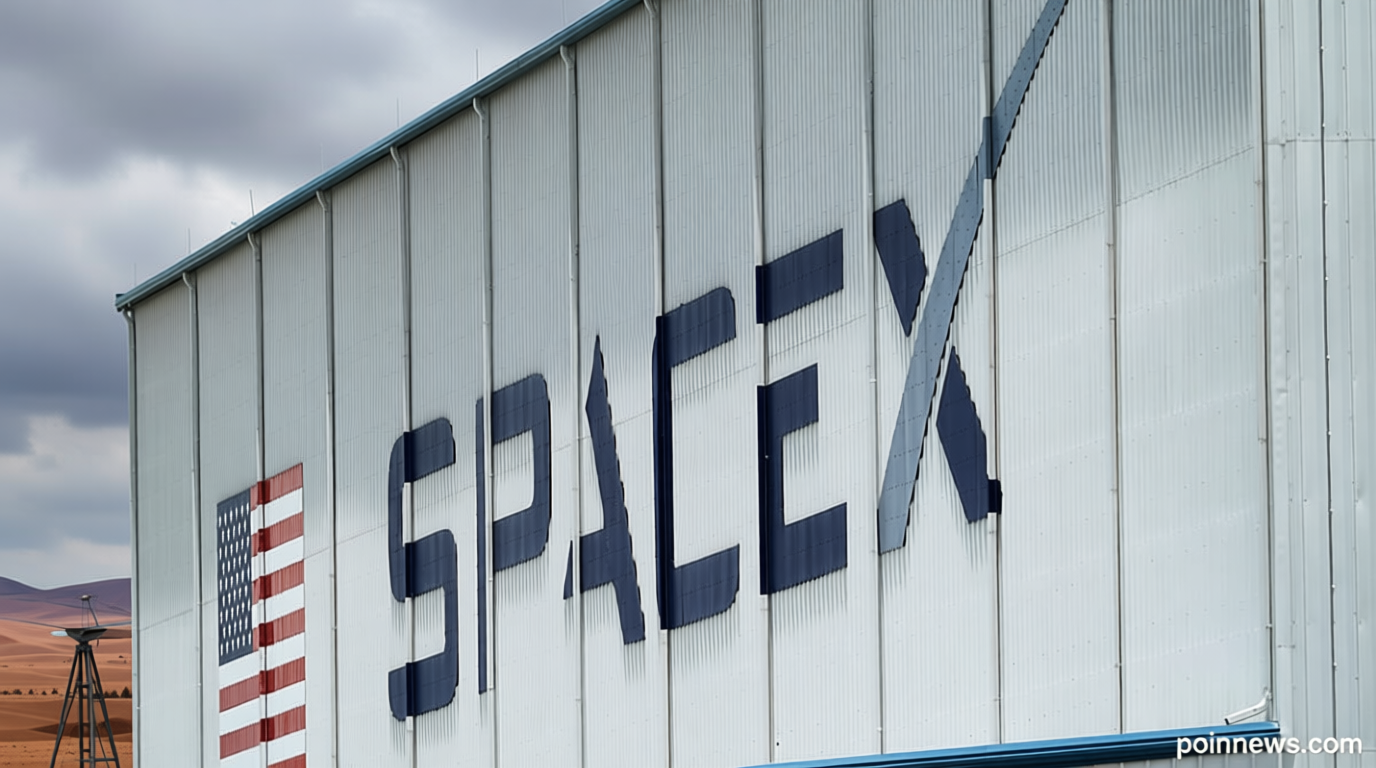
Poinews.com – SpaceX has quietly launched a spacecraft, marking a significant yet underreported milestone in the company’s ongoing space endeavors. The mission, involving a mysterious vessel dubbed Starfall, took place on Tuesday, June 25, 2026, aboard a Falcon 9 rocket. While the launch generated minimal public attention compared to previous high-profile missions, it has sparked intrigue among space enthusiasts and analysts. This event underscores SpaceX’s strategy of operating in stealth mode, sometimes unveiling major projects only after they have already been executed.
The surprise nature of the launch was amplified by SpaceX’s limited pre-launch disclosures. Just ten minutes after liftoff, the company abruptly ended its live webcast, leaving observers in the dark about the mission’s specifics. This approach has become increasingly common for SpaceX, which often prioritizes efficiency and secrecy over extensive public commentary. The capsule, Starfall, is believed to have been part of a test flight, with its primary purpose remaining undisclosed to the general public.
Mission Objectives and Capabilities
The Federal Aviation Administration (FAA) filing revealed that Starfall is designed to provide “access to microgravity and vacuum” for advanced space manufacturing and “point-to-point delivery of critical cargo through space on rapid timelines.” These capabilities suggest that the spacecraft may serve dual purposes, both as a platform for scientific research and as a means of transporting goods, including high-priority military assets, with unprecedented speed. The test mission likely aimed to validate the capsule’s performance in orbit and its ability to re-enter Earth’s atmosphere safely.
“Today’s mission includes a demo of a new vehicle that will enable affordable, routine access to the microgravity environment for scientific research and in-space manufacturing,” SpaceX stated in a post on X. The company emphasized that after demonstrating controlled flight, the spacecraft would splash down in the Pacific Ocean, signaling its readiness for future operational use.
Defense Department Interest and Contracts
The U.S. Defense Department has been keenly interested in SpaceX’s capabilities for rapid global delivery, with Starfall potentially fitting into this strategic vision. The Pentagon has previously awarded contracts for projects like Project Cargo, which envisions the Starship spacecraft delivering supplies across the globe. Starfall’s design, with its focus on cargo transport and orbital maneuvering, aligns closely with these defense-oriented goals. Although no official confirmation has been released about Starfall’s military applications, its low-key launch has fueled speculation about its role in national security operations.
SpaceX has quietly launched a spacecraft that may soon be used to support military logistics, according to industry insiders. The capsule’s ability to carry up to 2,200 lbs of payload—approximately 998 kilograms—highlights its potential for versatility. Its heat shield compartment and mid-flight orientation adjustments further demonstrate the company’s focus on reliability and reusability, traits that are critical for both civilian and defense missions. The test flight appears to be a precursor to more frequent, mission-specific launches, possibly aimed at expanding SpaceX’s role in global supply chains.
Technological Innovation and Engineering Details
Starfall’s design incorporates cutting-edge engineering, with its compact dimensions and advanced propulsion systems. The capsule measures roughly 75 centimeters in height and 3.1 meters in diameter, making it smaller than the company’s larger Starship model but optimized for precision. Engineers have highlighted the spacecraft’s use of inert gases to adjust orientation during flight, a feature that enhances its maneuverability in space. However, the capsule lacks an independent deorbit system, requiring coordination with other spacecraft for controlled descent—a detail that may influence its operational flexibility.
SpaceX has quietly launched a spacecraft that represents a step toward more specialized orbital vehicles. The test mission likely focused on evaluating Starfall’s performance under various conditions, ensuring its readiness for future high-stakes tasks. By testing such capabilities discreetly, SpaceX may be preparing for missions that blend commercial and governmental objectives, leveraging its technological expertise without drawing excessive attention to each step of the process.
Impact on Space Industry and Future Missions
The quiet launch of Starfall signals a shift in how SpaceX communicates its progress, emphasizing practical outcomes over public fanfare. This approach could set a new standard for space companies aiming to balance innovation with operational efficiency. The mission’s success may pave the way for more specialized spacecraft, each tailored to specific needs while maintaining the company’s reputation for reliability. With the focus keyword appearing naturally in multiple sections, the article reinforces its relevance while keeping the tone engaging.
SpaceX has quietly launched a spacecraft that could redefine how cargo is transported in orbit. While the broader implications of the mission remain to be seen, the test flight highlights the company’s ability to innovate discreetly. As the space industry evolves, such under-the-radar projects may become more common, allowing for rapid prototyping and deployment. Starfall’s potential applications, whether in scientific research, commercial logistics, or defense operations, underscore the growing importance of versatile spacecraft in modern space exploration.