Von der Leyen to visit Azerbaijan and Armenia to build on EU engagement
Von der Leyen to visit Azerbaijan and Armenia to build on EU engagement Von der Leyen to visit Azerbaijan - Next week, Ursula von der Leyen, President of the

Von der Leyen to visit Azerbaijan and Armenia to build on EU engagement
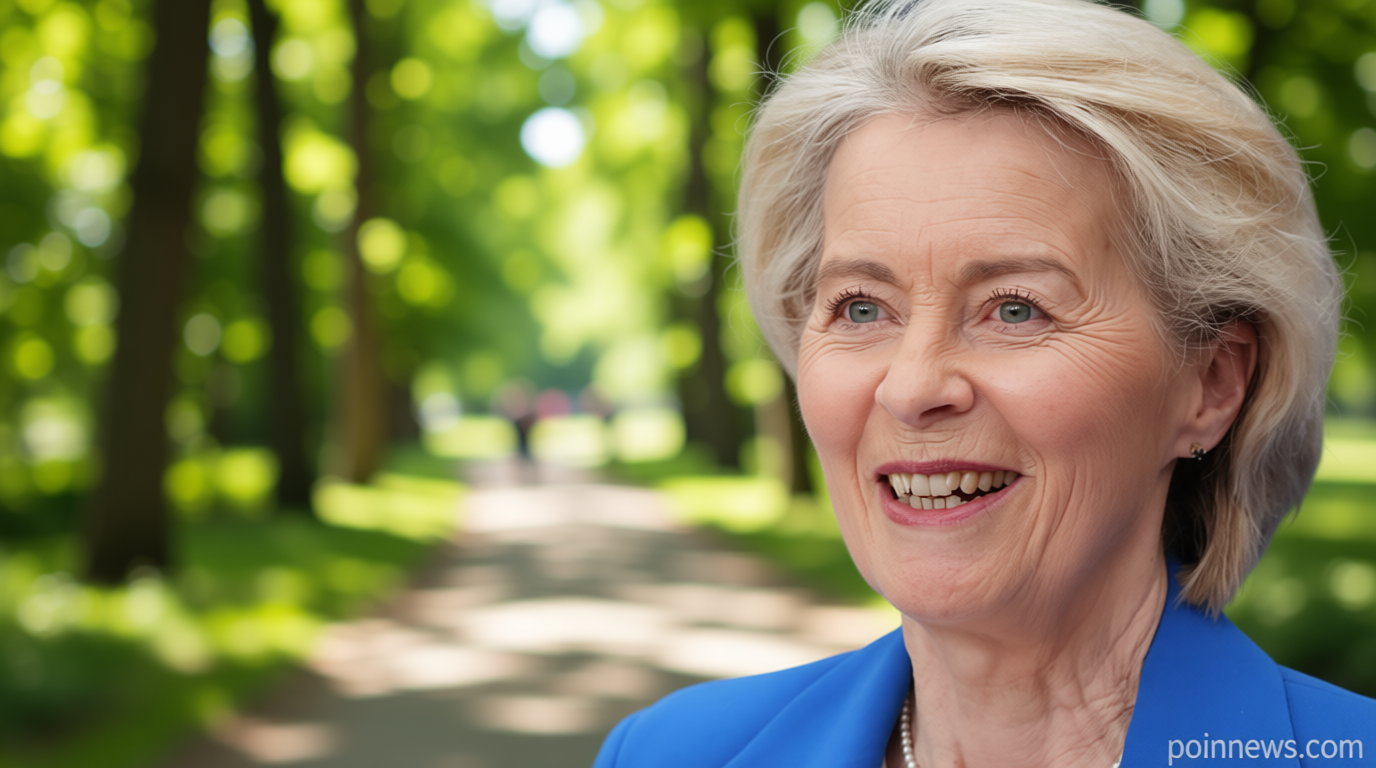
Poinews.com – Next week, Ursula von der Leyen, President of the European Commission, will travel to Azerbaijan and Armenia to strengthen the EU’s strategic ties with the two nations. This visit comes as part of broader efforts to expand European collaboration in the South Caucasus, according to officials in Yerevan and Baku who confirmed the plans to Euronews.
Strategic Energy Talks and Peace Agreement
The EU executive leader’s itinerary includes a July 1 meeting in Baku, where she will engage with Azerbaijan’s President Ilham Aliyev on energy partnerships and infrastructure projects. The discussion will focus on the country’s role in supplying gas to Europe, a critical area for bilateral relations, as well as joint ventures to improve regional connectivity. This marks von der Leyen’s first trip to Baku since 2022, when the EU and Azerbaijan formalized their strategic energy alliance to address Europe’s reliance on Russian energy.
Meanwhile, the visit to Armenia will coincide with the nation’s renewed diplomatic ties with Azerbaijan, following a peace agreement that ended decades of conflict over Karabakh. The EU’s political dialogue with the region is now a key component of its foreign policy, building on previous engagements like European Council President Antonio Costa’s March trip to Baku.
EU’s Connectivity Agenda
European Commissioner for Enlargement Marta Kos, who will accompany von der Leyen, has spearheaded the EU’s new Connectivity Agenda Platform. This initiative aims to boost investments in transport, energy, and digital infrastructure across the South Caucasus. Over €80 million in EU funding has already been allocated, with a target of exceeding €2 billion to secure alternative trade routes after disruptions caused by the Iran war.
“Take a look at the plane map before and after the start of the recent war in Iran. Almost all planes started passing through the Caucasus. It’s through here, the Middle Corridor, that we can secure our trade, energy and digital links,” Kos explained in a video shared on X.
Kos emphasized that the Middle Corridor—linking Europe and Asia via Turkey and the South Caucasus—offers a vital pathway to bypass unreliable traditional routes. She noted that trade along this route has surged fourfold since 2022, despite ongoing logistical challenges. While maritime transport can take up to 45 days for goods to reach Romania, the EU seeks to cut delivery times to just 15 days by upgrading roads, railways, and ports.
EU’s Economic and Transit Vision
Costa highlighted during his March visit to Baku that the EU and Azerbaijan are working on a new framework to deepen cooperation in defense, security, and digital sectors. “This sends a strong signal of our joint vision for the future,” Costa remarked, reiterating that energy security remains a cornerstone of EU-Azerbaijan relations.
Italy, the top EU importer of Azerbaijani energy, has also played a significant role in recent developments. Italian Prime Minister Giorgia Meloni visited Baku in May, underscoring the country’s strategic importance. Kos added that the Middle Corridor will not only enhance trade efficiency but also support regional economic growth, drawing parallels to the post-World War II role of coal and steel in European integration.
Aliyev reiterated this point during Costa’s March visit, stating that the South Caucasus’ economic and transit potential is expanding amid global disruptions from the Iran conflict. The EU’s upcoming engagement with both nations aims to solidify these partnerships and ensure secure, diversified pathways for trade and energy.