Venezuela updates earthquake toll: 920 dead, 3,360 injured
60 Injured Venezuela updates earthquake toll - Venezuela has issued an updated report on the death toll and injuries following the devastating twin

Venezuela Updates Earthquake Toll: Over 900 Dead, 3,360 Injured
Poinews.com – Venezuela has issued an updated report on the death toll and injuries following the devastating twin earthquakes that struck the country on June 24, 2026. The latest figures, announced by the president of Venezuela’s National Assembly, Jorge Rodríguez, indicate that at least 920 people have lost their lives, while 3,360 others have been reported injured. This shocking update comes as rescue teams continue to work tirelessly in the hardest-hit regions, where the destruction has left thousands displaced and infrastructure in ruins. The focus keyword Venezuela updates earthquake toll underscores the government’s ongoing efforts to provide accurate information about the crisis. With the situation evolving rapidly, the nation is calling for sustained international support to manage the aftermath of this unprecedented disaster.
Magnitude and Impact of the Earthquakes
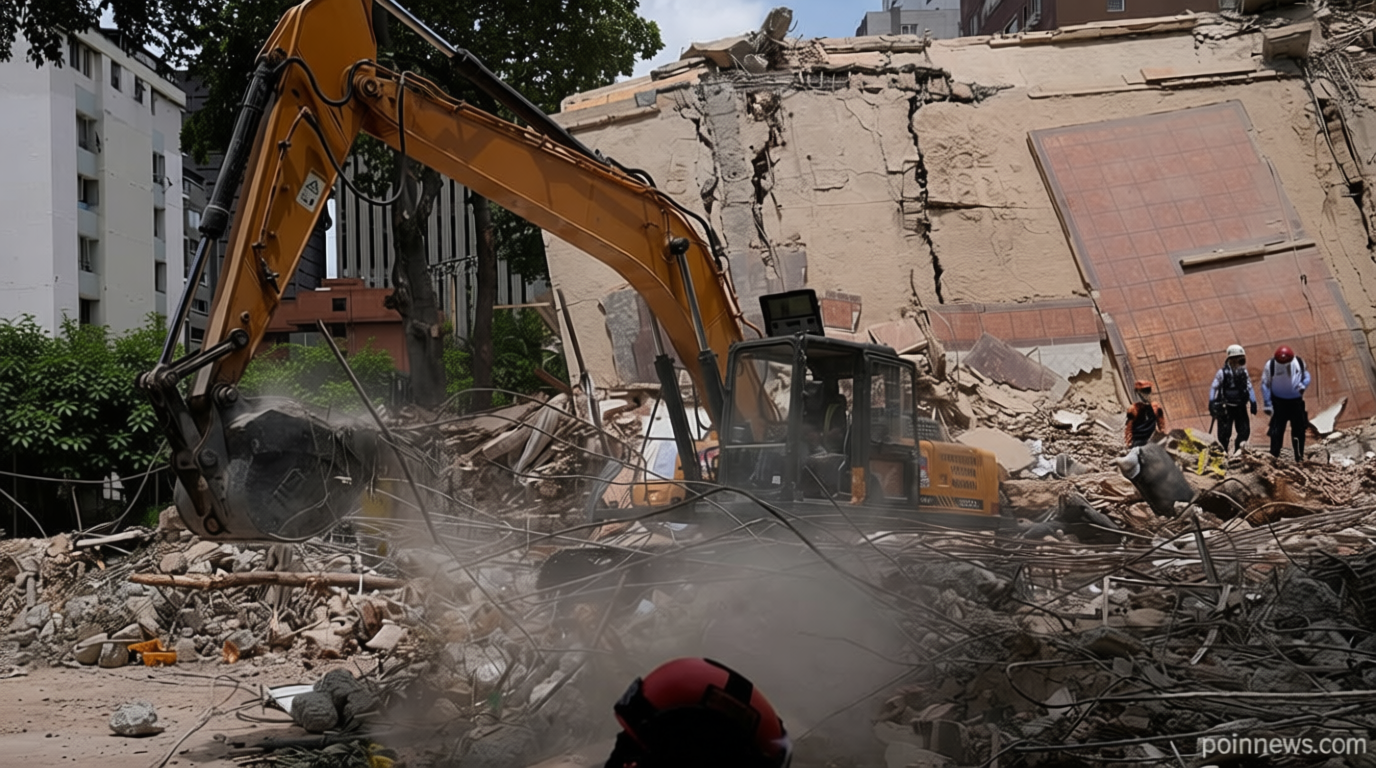
The twin earthquakes, which occurred on June 24, 2026, were recorded as 7.2 and 7.0 on the Richter scale, shaking the central and western regions of Venezuela with such intensity that buildings collapsed, roads cracked, and power lines snapped. The epicenter of the first quake was near the city of Cariaco, while the second struck closer to the mountainous regions of Tachira and Apure, causing additional devastation. The Venezuela updates earthquake toll highlights that the primary impact has been felt in densely populated urban areas, where the collapse of older structures—many built with substandard materials—has led to a high number of casualties. The National Guard and local volunteers have been working around the clock to search for survivors and distribute emergency supplies to affected communities.
Humanitarian Crisis and Missing Persons
As the Venezuela updates earthquake toll continues to emerge, the United Nations has raised concerns about the scale of the humanitarian crisis. According to the UN’s top humanitarian official, Tom Fletcher, the number of missing persons has surpassed 50,000, creating a dire situation for families searching for loved ones. The damage to communication networks has further complicated rescue operations, leaving many areas without reliable information. In addition to the human toll, the earthquakes have disrupted essential services, including electricity and water, leaving millions without access to basic necessities. The Spanish foreign ministry has also reported that four Spanish nationals have been confirmed dead, with 106 missing and 14 still trapped under debris, emphasizing the global reach of the disaster.
“The situation in Venezuela is critical, and we are doing everything possible to assist the affected populations,” said a spokesperson for the Spanish Ministry of Foreign Affairs. The Venezuela updates earthquake toll serves as a vital tool for coordinating relief efforts and informing the international community about the severity of the crisis.
Amid the chaos, Spain has mobilized a significant response to support Venezuela. The country has deployed a military aircraft equipped with rescue teams and emergency supplies, prioritizing the repatriation of Spanish citizens and the retrieval of missing persons. Spanish officials have also urged nationals in the country to reach out to consular services for assistance, while the Madrid Fire Brigade and the UME (Military Emergency Unit) have joined the efforts. This collaboration reflects the growing interconnectedness of nations in times of disaster. Meanwhile, the EU Civil Protection Mechanism has been activated to facilitate the rapid delivery of aid, with multiple countries contributing resources to alleviate the suffering of Venezuelans.
International Aid and Coordination Efforts
As of June 25, 2026, 16 countries and the UN have committed to sending humanitarian aid to Venezuela, with additional shipments expected in the coming days. The aid includes medical kits, food supplies, and water purification systems, targeting the most vulnerable populations in the affected zones. The Venezuela updates earthquake toll has been instrumental in guiding the allocation of these resources, ensuring that areas with the highest need receive priority. The Spanish government has also announced plans to send an emergency field hospital to reinforce medical care on the ground, demonstrating its commitment to supporting the crisis. This international coordination has been critical in addressing the widespread damage and providing immediate relief to those affected.
Rescue operations in Venezuela are currently in the early stages, with teams using advanced equipment to locate survivors and extract the injured. The use of canine units and engineering teams has proven essential in navigating the rubble of collapsed buildings, particularly in regions like Tachira and Apure, where the quake’s impact was most severe. Despite the challenges, officials remain optimistic about the possibility of saving more lives. However, the Venezuela updates earthquake toll also reveals the grim reality of the disaster, with over 900 fatalities reported and thousands still missing. The situation continues to evolve, and the government has urged citizens to stay informed through official channels to avoid misinformation.
As the search for survivors continues, the focus remains on stabilizing the affected areas and preventing further loss of life. The Venezuela updates earthquake toll will be regularly revised to reflect the latest developments, ensuring transparency and aiding in the planning of long-term recovery efforts. In the meantime, the international community is playing a crucial role in providing aid and support, highlighting the importance of global solidarity in times of crisis. The twin earthquakes have not only shaken Venezuela’s physical landscape but also its social and economic stability, underscoring the urgent need for sustained assistance in the weeks and months ahead.