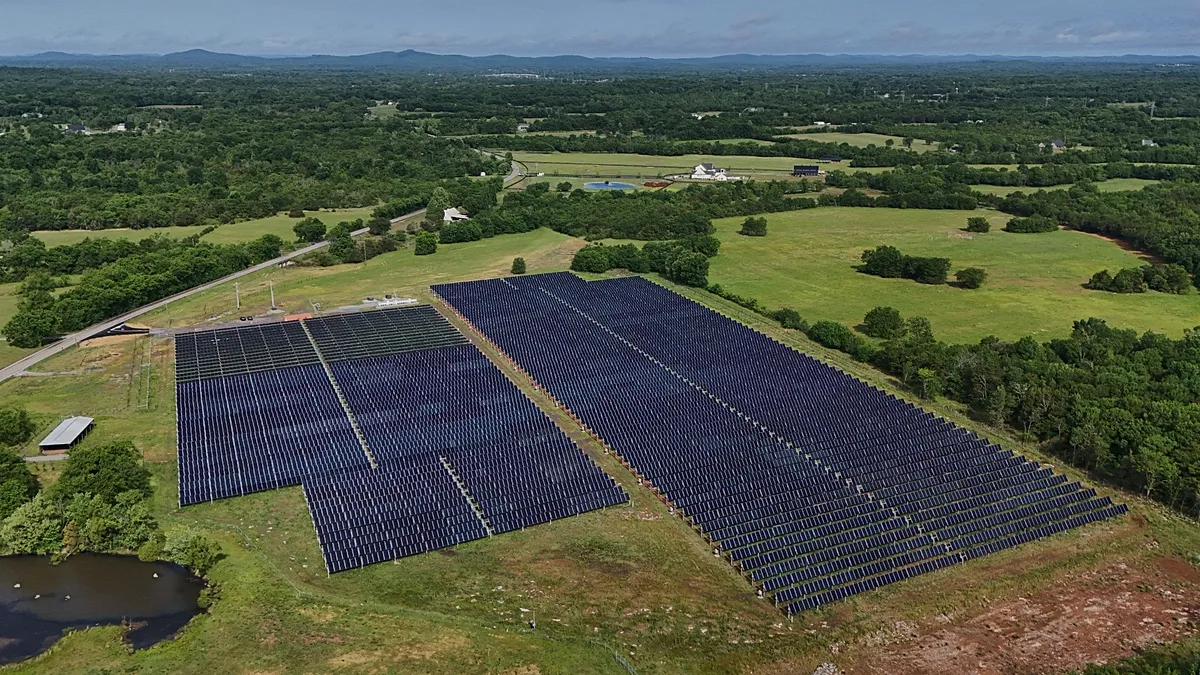
Rooftop solar can provide five hours of ‘free’ air conditioning a day. But is it green?
Rooftop Solar Power and the Environmental Paradox of Cooling Rooftop solar can provide five hours of electricity for air conditioning daily, offering a

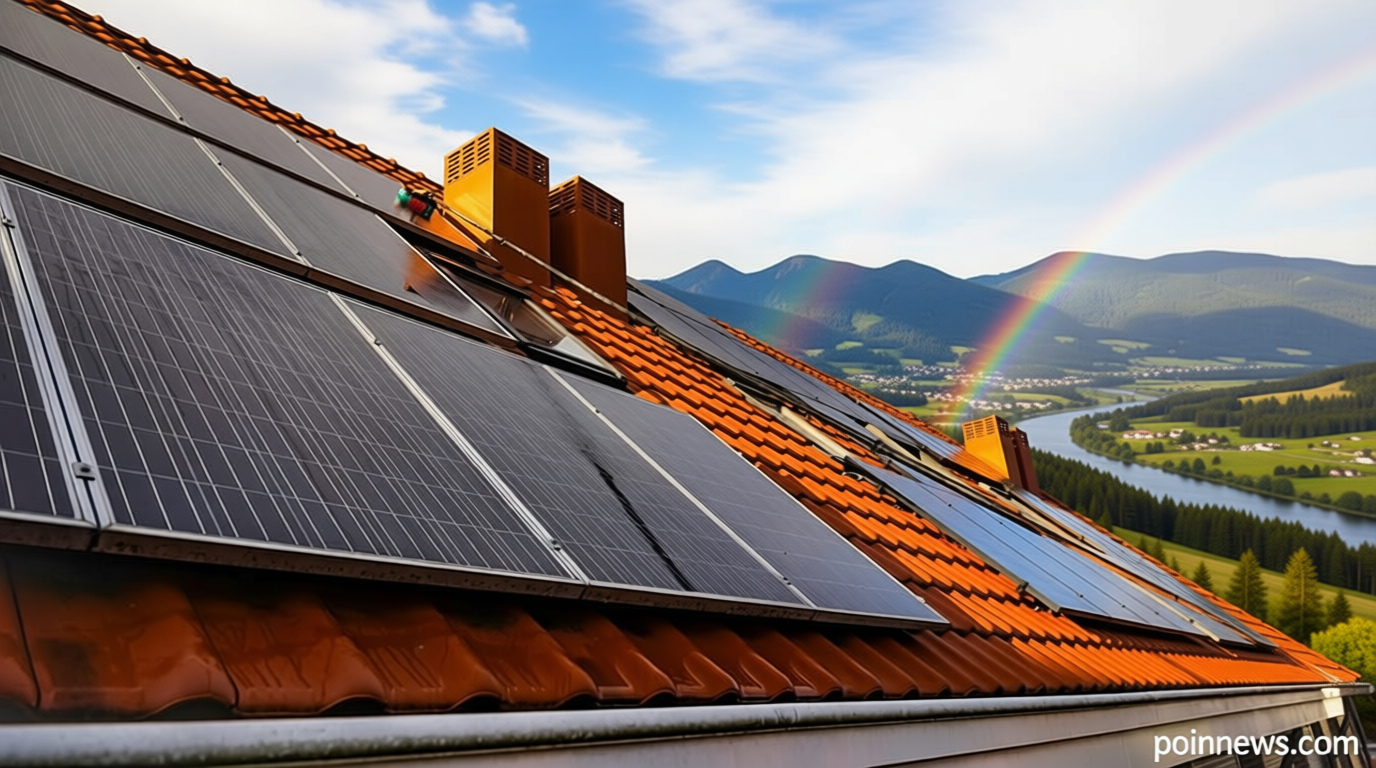
Rooftop Solar Power and the Environmental Paradox of Cooling
Poinews.com – Rooftop solar can provide five hours of electricity for air conditioning daily, offering a renewable alternative to grid power. As Europe grapples with extreme heatwaves, solar panels have become a critical tool for households aiming to stay cool without relying on fossil fuel-based energy. This technology allows users to generate up to five hours of free cooling each day, yet its overall environmental impact remains a subject of debate. The question is no longer just about energy savings—it’s about whether rooftop solar can truly balance the demand for cooling with sustainability goals.
With rising global temperatures, the need for air conditioning has surged, straining energy grids and increasing carbon emissions. Rooftop solar installations, however, provide a localized solution by converting sunlight into electricity, which can power cooling systems without contributing to greenhouse gas emissions during operation. This means that, for five hours a day, households can enjoy a cooling effect without the need for additional fossil fuel consumption. But as the climate continues to warm, the broader implications of this ‘free’ energy may require closer scrutiny.
Heatwave Disruption and Cooling Demand
The recent heatwave across Europe has intensified the demand for air conditioning, pushing energy systems to their limits. According to the International Energy Agency (IEA), cooling accounted for 7% of global electricity demand in 2022, with space cooling alone consuming around 2,100 terawatt-hours (TWh). Despite the growth of solar energy adoption, the environmental cost of cooling remains significant. Rooftop solar can provide five hours of electricity, but when demand exceeds supply, the system’s ability to offset emissions is tested. For instance, during peak cooling days, solar capacity may not be sufficient to fully replace grid energy, leading to a mix of renewable and non-renewable sources.
Heatwaves are not just about discomfort—they’re a growing threat to public health and energy infrastructure. In 2022, the UK’s rooftop solar installations generated 15 MWh of energy per day, equivalent to five hours of electricity needed for a fully powered home cooling system. This highlights the potential of solar energy to alleviate pressure on the grid during high-demand periods. However, the intermittent nature of solar power means it cannot sustain cooling for the entire day, especially in regions with limited sunlight or high cloud cover.
Refrigerants and Hidden Emissions
While rooftop solar can provide five hours of electricity for cooling, the environmental impact of air conditioning systems themselves is often overlooked. Many modern AC units use refrigerants such as hydrofluorocarbons (HFCs) and hydrochlorofluorocarbons (HCFCs), which have a far greater warming effect than CO2. In fact, these gases can trap thousands of times more heat, contributing to the overall climate impact of cooling. Rooftop solar can provide five hours of clean energy, but if the AC units are not eco-friendly, the benefits may be limited.
“Solar power and air conditioning are complementary technologies with similar seasonal patterns, though air conditioning use tends to be weighted later in the day,” Ember notes. “On 21 and 22 of June, a typical UK rooftop solar installation generated 15 MWh, equivalent to five hours of electricity demand from a full-house air conditioning setup (at 3 kW) per day.”
These refrigerants, often used in residential and commercial AC units, are a key factor in the debate over the sustainability of cooling. While rooftop solar can provide five hours of emission-free energy, the refrigerants used in AC systems may negate these gains if not phased out. Experts argue that the shift to natural refrigerants, such as ammonia or propane, is essential for ensuring that the cooling process itself remains environmentally friendly.
Efficiency and Policy Shifts
The EU and UK are taking steps to reduce the climate footprint of air conditioning by promoting the use of natural refrigerants and improving energy efficiency standards. Rooftop solar can provide five hours of electricity, but this alone is not enough to guarantee sustainability. Many AC units still operate inefficiently, with the IEA reporting that half of purchased cooling systems globally are only half as efficient as available models. This inefficiency increases energy consumption, reducing the effectiveness of solar-powered cooling solutions.
High upfront costs and limited consumer awareness further hinder the adoption of energy-efficient cooling systems. Even as rooftop solar can provide five hours of free energy, the broader transition to sustainable cooling depends on policy support, incentives, and public education. Governments are increasingly recognizing this need, with initiatives aimed at subsidizing eco-friendly AC units and promoting solar integration in residential and commercial buildings.
Future Cooling Needs
Experts predict that the number of air conditioning units worldwide could triple by 2050, reaching 5.5 billion installations. This growth is driven by rising temperatures and the expanding urbanization of populations in warmer regions. France’s recent heatwave, which broke temperature records on June 23, has already sparked discussions about the necessity