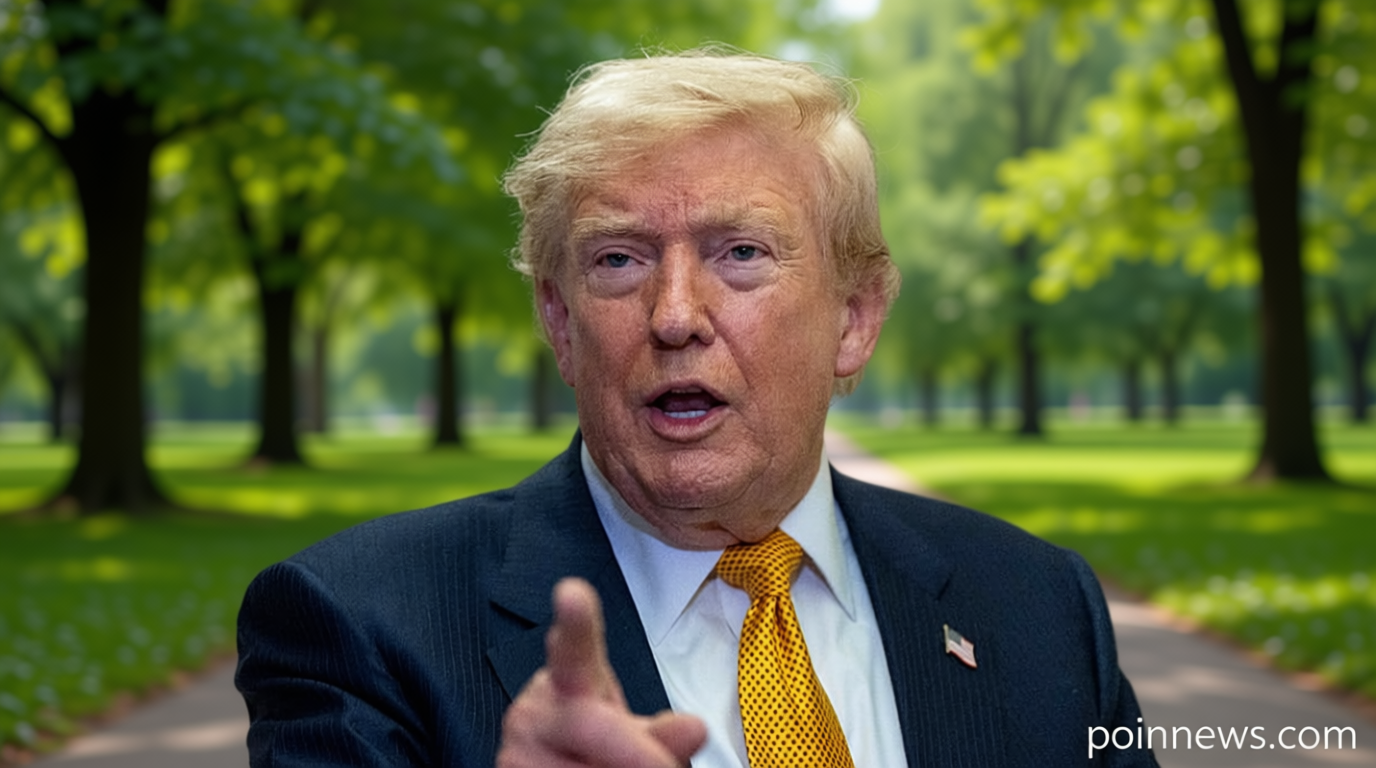
Iran threatens total halt to talks amid intensive US air activity near Hormuz
Iran Threatens Total Halt to Talks Amid Intensive US Air Activity Near Hormuz Escalation in the Strait of Hormuz Iran threatens total halt to talks - The

Iran Threatens Total Halt to Talks Amid Intensive US Air Activity Near Hormuz
Escalation in the Strait of Hormuz
Poinews.com – The Islamic Republic of Iran has declared its intention to suspend all diplomatic discussions with the United States, citing recent military operations in the strategically vital Strait of Hormuz as the trigger. Iranian state media reported that the Islamic Revolutionary Guard Corps (IRGC) has threatened a complete cessation of negotiations following a series of intensified US air strikes targeting Iranian military assets in the region. These actions, which occurred on June 28, have heightened tensions and raised concerns about the potential for a full-scale conflict. The focus keyword Iran threatens total halt to talks has been central to the discourse, with the IRGC vowing to halt discussions if the US continues its aggressive maneuvers.
“We have clearly communicated our stance: any further aggression will result in the immediate suspension of talks,” stated an IRGC spokesperson, emphasizing the regime’s resolve to protect its territorial interests. The statement followed Washington’s strikes on 10 key Iranian facilities, including surveillance systems and air defense installations, which the IRGC claimed violated Clause 1 of the Islamabad Memorandum of Understanding.
Tehran’s Retaliatory Strikes and Strategic Moves
Iran retaliated swiftly with ballistic missile launches and drone attacks, targeting the US Fifth Fleet’s base in Salman Port, Bahrain, and the Ali Al Salem Air Base in Kuwait. The strikes were coordinated to demonstrate the country’s military capability and send a message to the US. Meanwhile, Iranian officials have proposed new safe transit routes for international vessels, directing ships to navigate south of Hormuz Island and Larak Island to avoid potential clashes. These measures aim to assert Iran’s control over the strait, a critical chokepoint for global oil shipments.
“The US has shown it will not hesitate to strike at our infrastructure, so we are prepared to respond in kind,” said Iranian Foreign Minister Abbas Araghchi during a press conference in Baghdad. His remarks underscored the country’s determination to safeguard its strategic interests, even as diplomatic talks remain on hold.
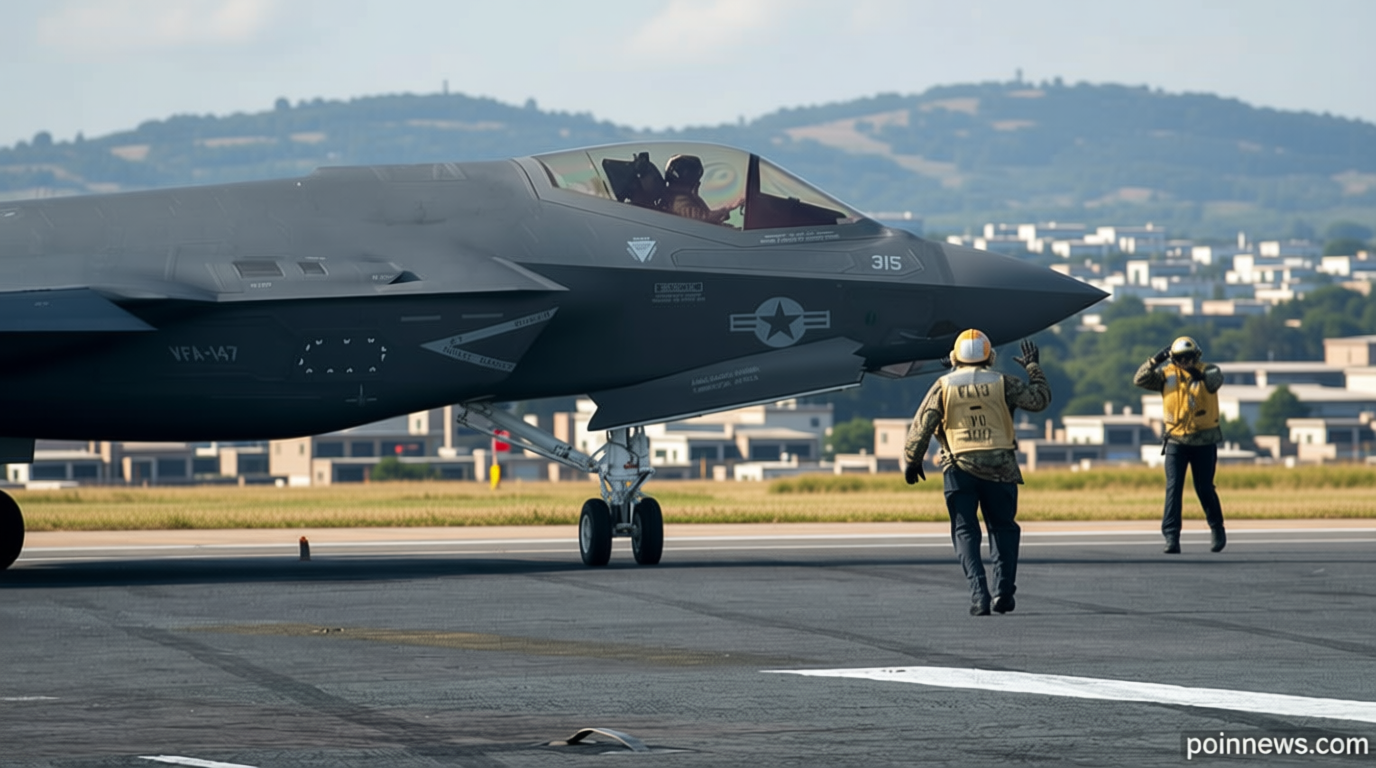
The US military has maintained a high level of activity in the Gulf, with Air Force aircraft conducting frequent patrols. This sustained presence has been interpreted as a sign of readiness for further strikes, potentially escalating the conflict. Analysts suggest that the US is testing Iran’s ability to maintain a ceasefire while reinforcing its dominance in the region. The situation remains fluid, with both sides bracing for possible confrontations that could disrupt the fragile peace.
Impact on Bilateral Negotiations
Key diplomatic talks between Iran and the United States, which had already stalled, now face an uncertain future. The Wall Street Journal highlighted how the recent military actions have derailed progress, with officials struggling to regain momentum amid rising hostilities. The focus keyword Iran threatens total halt to talks has become a recurring theme in Iranian statements, reflecting the regime’s frustration with what it perceives as US unilateralism.
“If Iran believes the US will remain passive in the face of attacks, it’s in for a surprise,” remarked a senior US diplomat. The remarks came as the administration reiterated its commitment to defending international interests, even if it means pushing negotiations to the background.
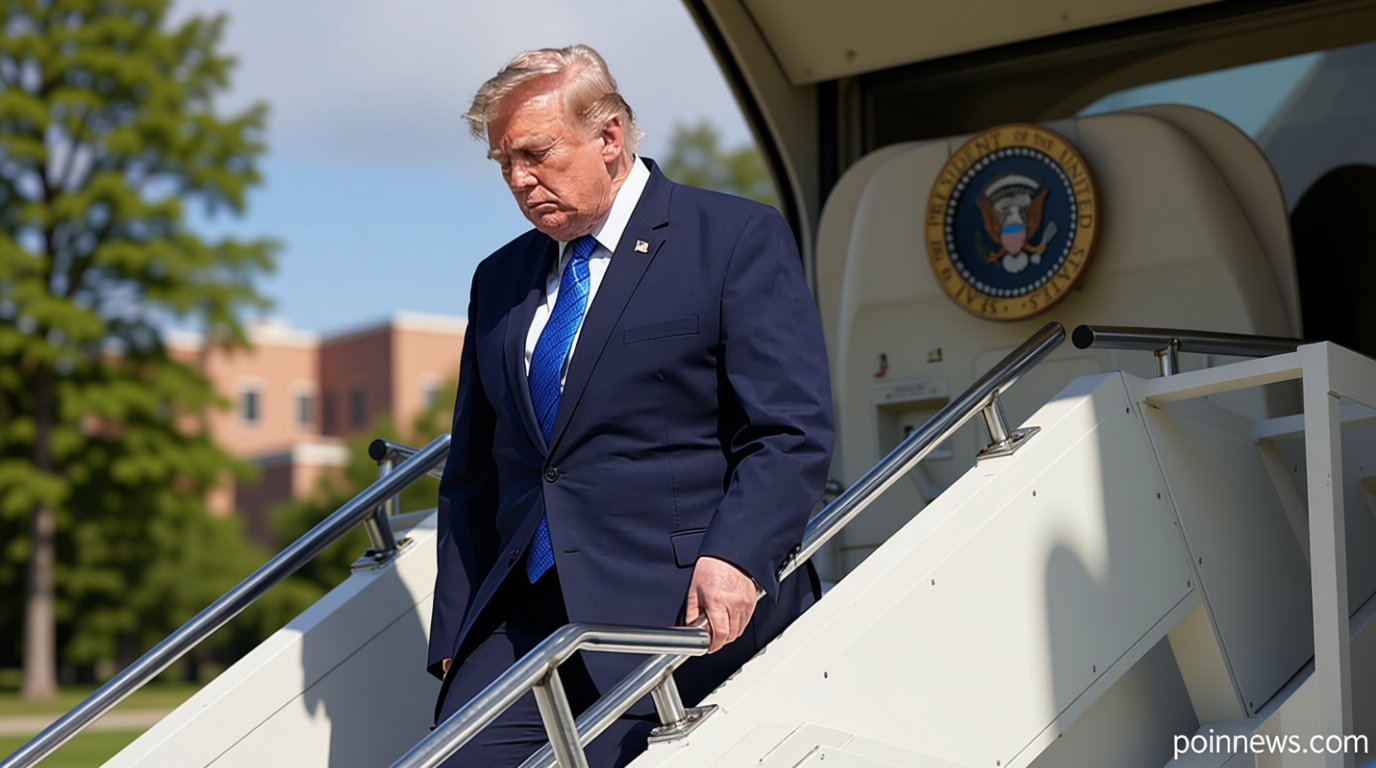
President Trump’s team has emphasized that the US will not allow Iran to dominate the Strait of Hormuz without a strong response. This assertive stance has been a key factor in the recent escalation, with military operations serving as both a warning and a tool to pressure Iran into concessions. The talks, which had focused on reducing tensions and re-establishing diplomatic ties, now risk being overshadowed by the conflict’s military dimension.
International Reactions and Economic Concerns
The standoff has drawn attention from global powers, with the UK Maritime Trade Operating Centre raising its threat level to “substantial” after reporting active minefields in the region. This development has raised alarms among shipping companies and oil exporters, who fear disruptions to the flow of petroleum through the strait. The focus keyword Iran threatens total halt to talks has also been echoed in international media, underscoring the gravity of the situation and its potential ripple effects on global markets.
“The potential closure of the Strait of Hormuz could lead to a sharp rise in oil prices, impacting economies worldwide,” warned an energy analyst. The warning highlights the strategic importance of the waterway and the broader implications of the current crisis.
While Iran has not yet fully withdrawn from negotiations, its repeated threats indicate a shift in strategy. The regime is leveraging its military actions to force the US into a more favorable position, ensuring that any future agreements will reflect its enhanced leverage. This approach has been criticized by some as a calculated move to weaken the US’s bargaining power during talks.
War Crimes Allegations and Political Fallout
In addition to its military stance, Iran has escalated its rhetoric, accusing the US and Israel of committing “war crimes” during recent operations. These claims have been used to justify Iran’s own military responses and to rally domestic support for its actions. The focus keyword Iran threatens total halt to talks has also been tied to these accusations, with Iranian officials framing the conflict as a necessary defense against foreign aggression.
“The US and Israel have launched unjustified attacks that endanger civilians and damage infrastructure,” stated Ayatollah Mojtaba Khamenei, who has not made public appearances since the crisis began. His statement, attributed to Iranian state media, reflects the regime’s broader narrative of victimhood and resistance.
The ongoing conflict has also strained diplomatic relations, with the US accusing Iran of undermining peace efforts and Iran accusing the US of imperialism. Despite these tensions, both sides continue to engage in talks, though the prospects for a swift resolution remain unclear. The situation underscores the complex interplay between military and diplomatic strategies in international conflicts.