Ebola cases surge over 400 as fears grow over central Africa outbreak
Ebola cases surge over 400 as fears grow over central Africa outbreak Ebola cases surge over 400 as fears - The number of Ebola cases has surged past 400 in a

Ebola cases surge over 400 as fears grow over central Africa outbreak
Poinews.com – The number of Ebola cases has surged past 400 in a rapidly escalating central Africa outbreak, triggering heightened concerns among health officials and the global community. This alarming increase has pushed the World Health Organization (WHO) to declare the situation an international public health emergency, underscoring the urgency of containment efforts. With cases spreading across multiple countries and the virus showing signs of becoming more virulent, the outbreak is now being closely monitored as a potential threat to regional stability and global health. The surge in infections has raised questions about the effectiveness of current measures and the need for immediate, coordinated action to prevent a larger-scale epidemic.
Current Outbreak Trends and Regional Spread
As of Saturday, the latest data from the Democratic Republic of Congo (DRC) and neighboring Uganda indicates a staggering rise in confirmed infections. The DRC, where the outbreak was officially recognized three weeks ago, has reported 452 confirmed cases and 82 deaths, marking a 100-case increase and 20 additional fatalities in just one day. This unprecedented acceleration has led experts to warn that the outbreak could mirror the devastating 2014 West Africa epidemic, which claimed over 11,000 lives. Meanwhile, Uganda has also seen a sharp spike, with 19 new cases reported, two of which resulted in deaths. The cumulative total now stands at 471 cases and 84 deaths, a figure that has sparked widespread alarm.
Understanding the Bundibugyo Strain and Its Challenges
The current outbreak is linked to the Bundibugyo strain of the Ebola virus, which was first identified in 2010 in Uganda. While this strain is generally less deadly than the Zaire strain that caused the 2014 epidemic, its rapid spread has raised concerns about its adaptability. The DRC’s eastern provinces have become the epicenter of the outbreak, with health workers struggling to keep up with the volume of cases. Notably, there are no approved vaccines or treatments specifically targeting the Bundibugyo strain, leaving medical teams with limited tools to combat the disease. This lack of targeted interventions has complicated containment efforts, particularly in areas with weak healthcare infrastructure.
“The scale of this surge is a clear indication of how quickly the virus can spread in a densely populated region with limited resources,” said Dr. Maria Thompson, an epidemiologist at the Africa CDC. “Without immediate action, we risk seeing this outbreak become one of the most significant in recent history.”
Global Response and Emergency Funding
Amid the growing crisis, the WHO and Africa CDC have launched a $518 million (€449.5 million) initiative aimed at strengthening response efforts in the affected countries. The funding will be used to expand surveillance systems, improve laboratory testing capacity, and implement robust infection prevention strategies. This initiative comes as a critical step to address the surge in Ebola cases over 400 and prevent further spread. The WHO director-general, Tedros Adhanom Ghebreyesus, has called for a unified global approach, emphasizing that the outbreak is now a matter of international concern. “We need to stop the outbreak where it is, support countries that are responding today, and ensure neighboring countries are ready to detect and act quickly if cases appear,” he stated during a recent press briefing.
Community Engagement and Public Health Measures
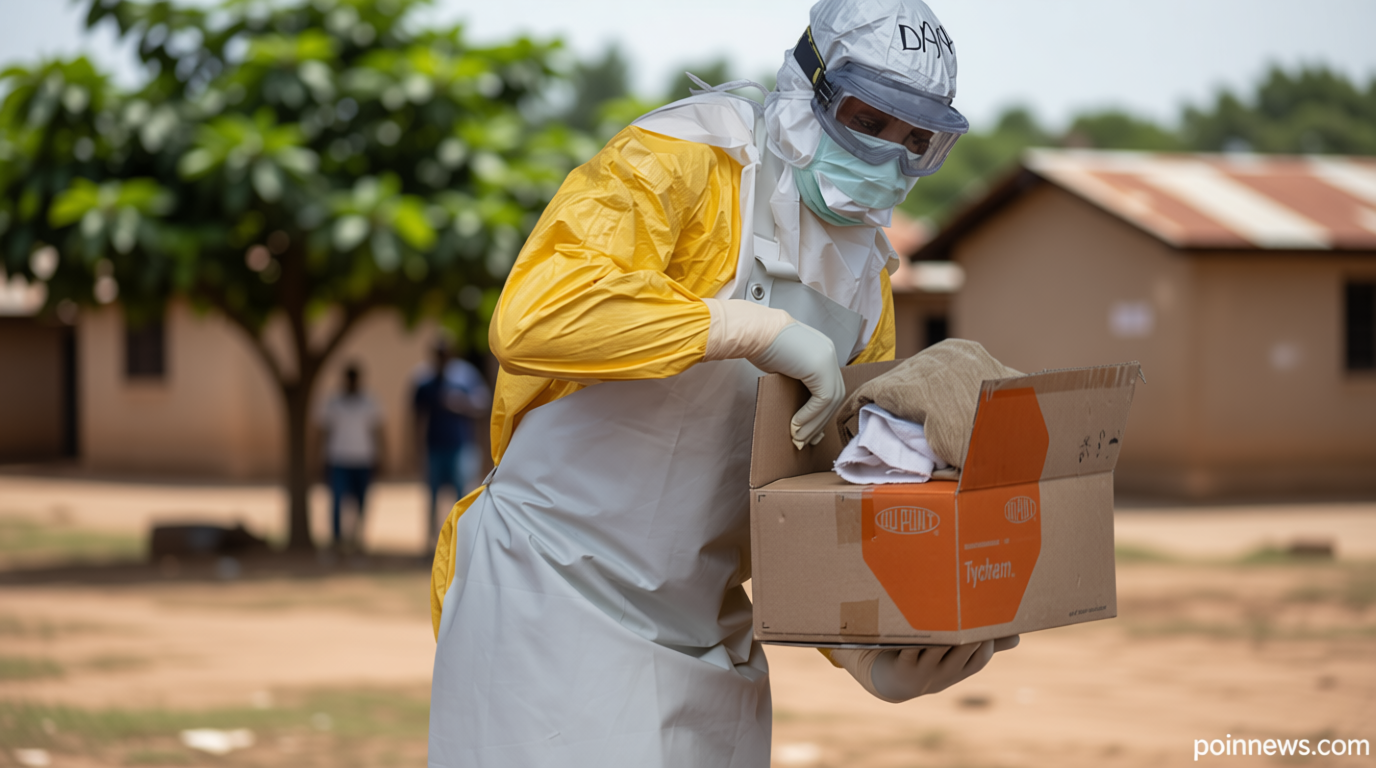
Local health authorities and international partners are now working closely with communities to implement public health measures. Quarantine protocols have been enforced in several affected areas, with efforts to trace contacts of infected individuals and isolate them to prevent transmission. Mobile clinics and outreach teams are also being deployed to reach remote populations, where access to healthcare is limited. However, these efforts face challenges such as misinformation, cultural resistance, and resource shortages. Public health campaigns are focusing on educating communities about the symptoms of Ebola and the importance of early reporting to curb the spread. The success of these initiatives will depend on the collaboration between governments, NGOs, and local populations.
“Ebola cases surge over 400, but the key to controlling this outbreak lies in the trust we build with the communities,” said Dr. Amina Nkurumwe, a public health official in the DRC. “We need to ensure that people understand the risks and are willing to participate in containment strategies.”
Implications for Global Health and Future Preparedness
The rapid spread of Ebola cases over 400 has significant implications for global health systems and pandemic preparedness. While the DRC and Uganda are the primary focus, there are fears that the virus could cross borders and reach other regions, including Europe and North America, through international travel. Experts are urging governments to strengthen their surveillance networks and invest in rapid diagnostic tools to detect outbreaks early. Additionally, the outbreak highlights the importance of vaccine development and distribution, as the current lack of targeted treatments for the Bundibugyo strain leaves populations vulnerable. Scientists are already working on potential vaccines, but the time required to develop and distribute them could be a critical factor in determining the outbreak’s trajectory.
Looking Ahead: What’s Next for the Outbreak?
As the number of Ebola cases surge over 400, the focus remains on containing the virus within the central Africa region. Health officials are now prioritizing the establishment of treatment centers and the deployment of medical personnel to the most affected areas. However, the outbreak’s pace has left many countries scrambling to allocate resources effectively. The success of the international response will hinge on the speed of implementation and the ability to adapt to evolving conditions. With the virus continuing to spread, the global health community must remain vigilant and prepared to scale up efforts if the situation worsens. The hope is that this surge in Ebola cases over 400 will serve as a wake-up call for improved preparedness and collaboration in the fight against emerging infectious diseases.