On NATO’s eastern flank: How Lithuania is strengthening its defences
On NATO's eastern flank: How Lithuania is strengthening its defences Simulated Warfare Near Vilnius On NATO s eastern flank - The earth trembles as German

On NATO’s eastern flank: How Lithuania is strengthening its defences
Simulated Warfare Near Vilnius
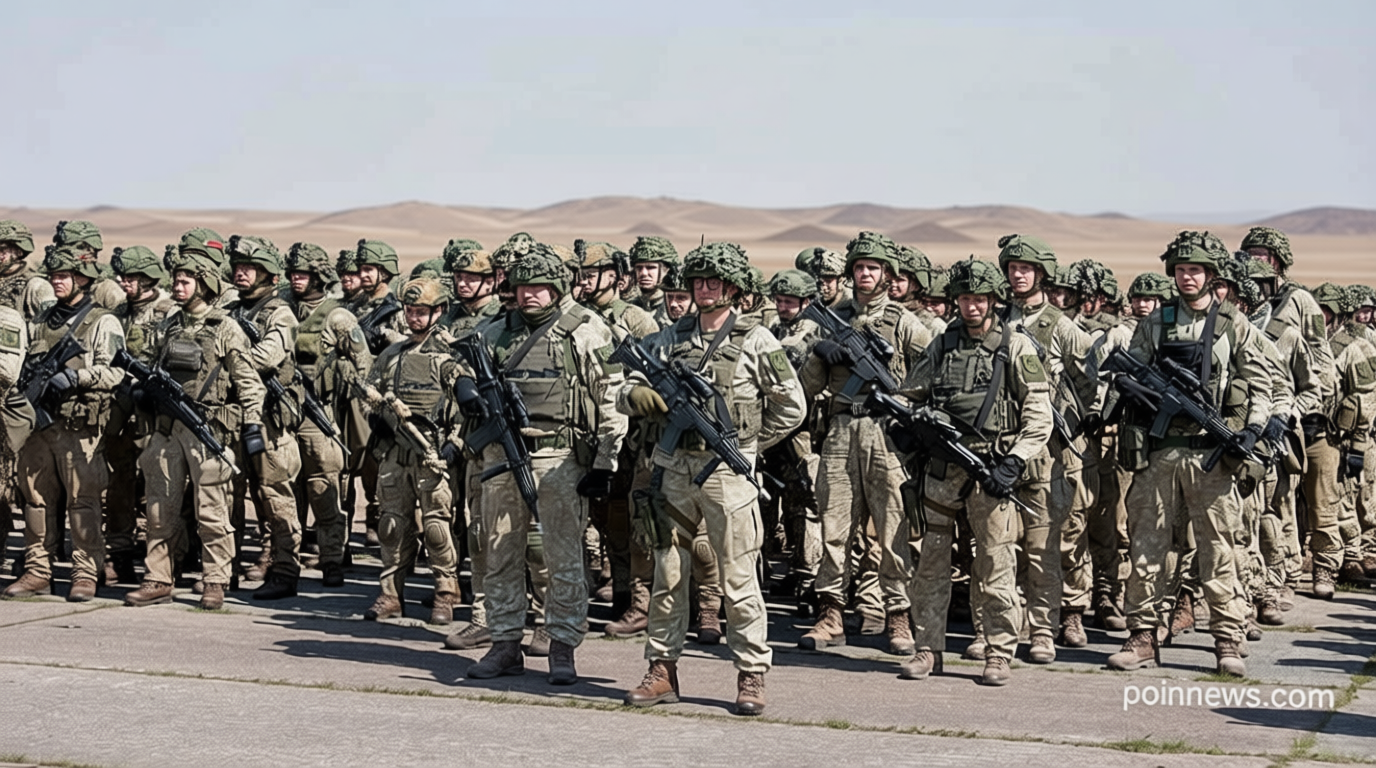
Poinews.com – The earth trembles as German Leopard tanks unleash their firepower, while drones hum above and Tiger helicopters pass low over the training grounds. Just a short drive from Vilnius, this exercise showcases a combined force of tanks, helicopters, fighter jets, and nearly 3,000 soldiers rehearsing Lithuania’s response to a possible Russian incursion.
NATO’s Eastern Flank Focus
Following Russia’s full-scale invasion of Ukraine, the possibility of an attack on NATO territory has emerged as a critical issue for Europe. Alliance leaders and intelligence analyses have highlighted Moscow’s potential to rebuild military strength in the years ahead, making the eastern flank a focal point for defense readiness.
Germany’s Permanent Military Presence
Germany has made a bold move by establishing a permanent armored brigade in Lithuania, near the Belarus border. In June 2023, Defence Minister Boris Pistorius confirmed the plan, stating that the unit will include approximately 5,000 personnel, with around 4,800 soldiers forming its core. The deployment, part of the “Freedom Shield” exercise, is set to reach full operational status by the end of 2027.
Key Units and Strategic Locations
Two battalions will be stationed permanently in Lithuania: the tank unit 203 from Augustdorf, North Rhine-Westphalia, and the Panzergrenadier Battalion 122 based in Oberviechtach, Bavaria. Most of these troops will be located in Rūdninkai, a town 40 kilometers from Vilnius. The site’s position near the Polish border and the Suwałki Gap—a 65-kilometer corridor between Belarus and Kaliningrad—adds to its strategic value.
Defense Staff’s Perspective
“We cannot predict a precise timeline for a Russian attack on Lithuania, the Baltic states, or NATO,” said Rear Admiral Giedrius Premeneckas, Lithuania’s Chief of the Defence Staff. He emphasized that the country’s military is tracking Russia’s efforts to rebuild its forces, with the outcome of the Ukraine conflict shaping how quickly this might happen.
Premeneckas outlined three priorities: boosting military spending, enhancing interoperability with allies, and strengthening firepower. “These measures ensure our nations can operate in a deterrent posture,” he said, arguing that Russia targets “weak points” within the alliance. He also noted that security relies on taking the threat seriously and building robust capabilities.
Public Support and Alliance Solidarity
Both Premeneckas and Defence Minister Robertas Kaunas have highlighted the significance of German troops stationed in Lithuania. Premeneckas described the local reception as “totally positive,” with many Lithuanians expressing gratitude for Germany’s commitment. While some German soldiers shared personal anecdotes about the warm welcome, he clarified that these experiences reflect broader public sentiment.