‘Not very Christian’: How Danish Gen Z are rethinking confirmation
ish Gen Z is rethinking confirmation Not very Christian - Denmark, frequently labeled as Europe's most secular nation, has long been shaped by a cultural

Not very Christian: How Danish Gen Z is rethinking confirmation
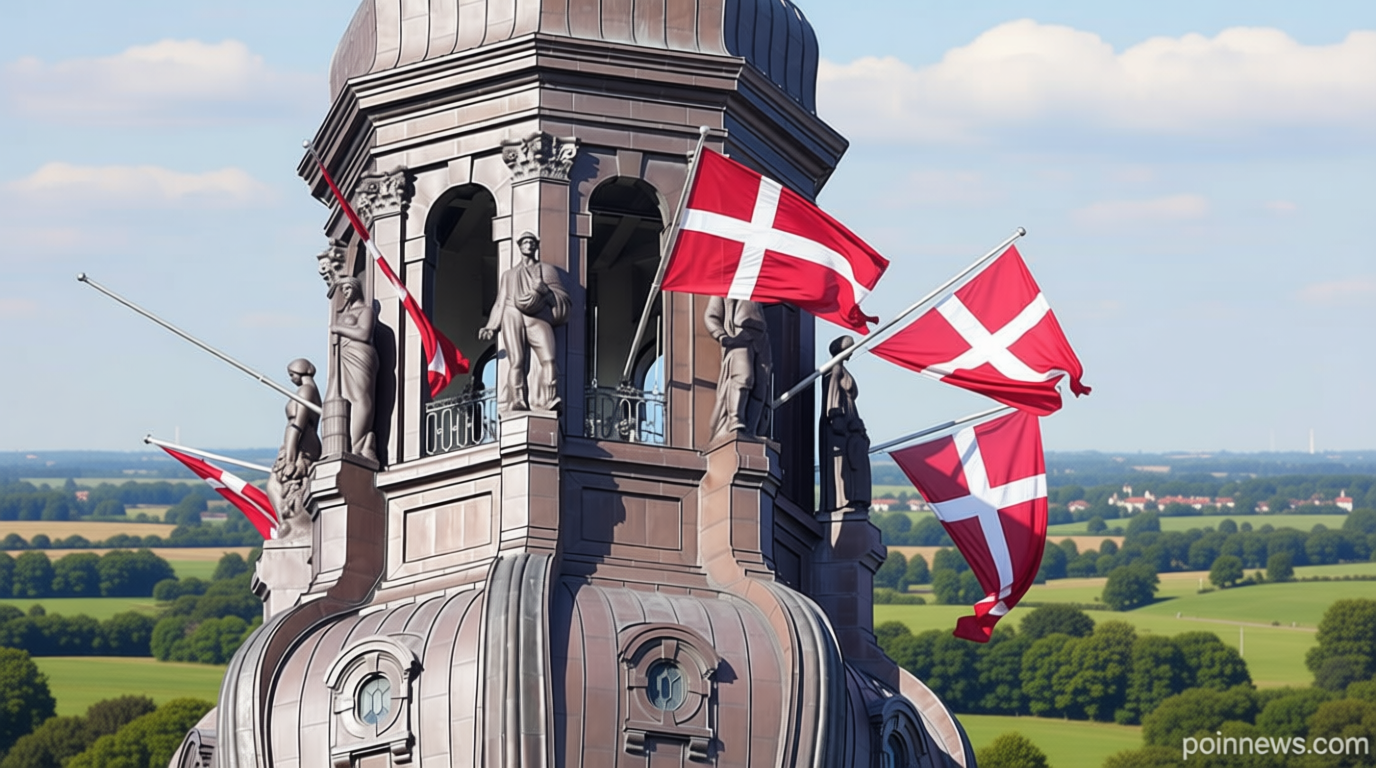
Poinews.com – Denmark, frequently labeled as Europe’s most secular nation, has long been shaped by a cultural emphasis on individualism and rational thought. Yet, the tradition of confirmation persists as a pivotal rite of passage for many teenagers. In 2025, the Church of Denmark noted that 64.2% of eligible youth participated in the ceremony, a slight drop from approximately 70% a decade prior. Despite this decline, the event remains deeply embedded in Danish society, symbolizing more than just religious commitment.
A Shift in Meaning
Nora Pihl, 15 at the time, decided against the traditional Christian confirmation. However, she still sought a meaningful way to mark her transition into adulthood. “I never really believed in God or anything like that,” she explained. “At first, it was about the gifts and the party, but during the preparation, I found it actually quite valuable.” Pihl opted for a humanist confirmation, organized by the Danish Humanist Society, which focuses on ethical discussions, personal identity, and the responsibilities of growing up.
“You learn a lot about how to become a better person and how to behave towards others,” Pihl said.
Social Significance Over Faith
The ritual’s endurance is partly due to its social weight. In a historically cohesive society, confirmation serves as a marker of community and shared experience. “One reason the confirmation rate remains relatively high is its social importance,” noted the Church of Denmark’s education and knowledge center. “The confirmed often share this event with classmates, creating a sense of unity.” Nora’s father, Martin Pihl, echoed this sentiment: “We didn’t think it was essential for her to do a ritual. But pretty much everyone does something or gets something. So it would be unnatural not to.”
Cost and Creativity
Confirmation ceremonies have also evolved into lavish affairs, reflecting their cultural status. Martin Pihl remarked that “more people have more money,” with some parents incorporating extravagant elements like limousine pickups and helicopter rides. A 2025 survey by Nordea bank revealed that Danish families spent an average of 39,000 DKK (about €5,164) on such celebrations.
Alternatives and Legacy
While humanist confirmations offer a secular path, they remain a niche option. Other alternatives, such as courses on adulthood, relationships, and consent, are gaining traction among youth. Nevertheless, the Evangelical Lutheran Church remains central to Denmark’s national identity, overseeing key life events like baptism, confirmation, weddings, and funerals. As of 2026, around seven in ten Danes still identify as members of the national church, underscoring its enduring role despite evolving perspectives among younger generations.