Aoun tells Iran ‘this is our country’ as Araqchi warns of Lebanon’s ‘real enemy’
Aoun Tells Iran 'This Is Our Country' Amid Escalating Tensions Aoun tells Iran this is our country - Lebanese President Michel Aoun recently asserted that

Aoun Tells Iran ‘This Is Our Country’ Amid Escalating Tensions
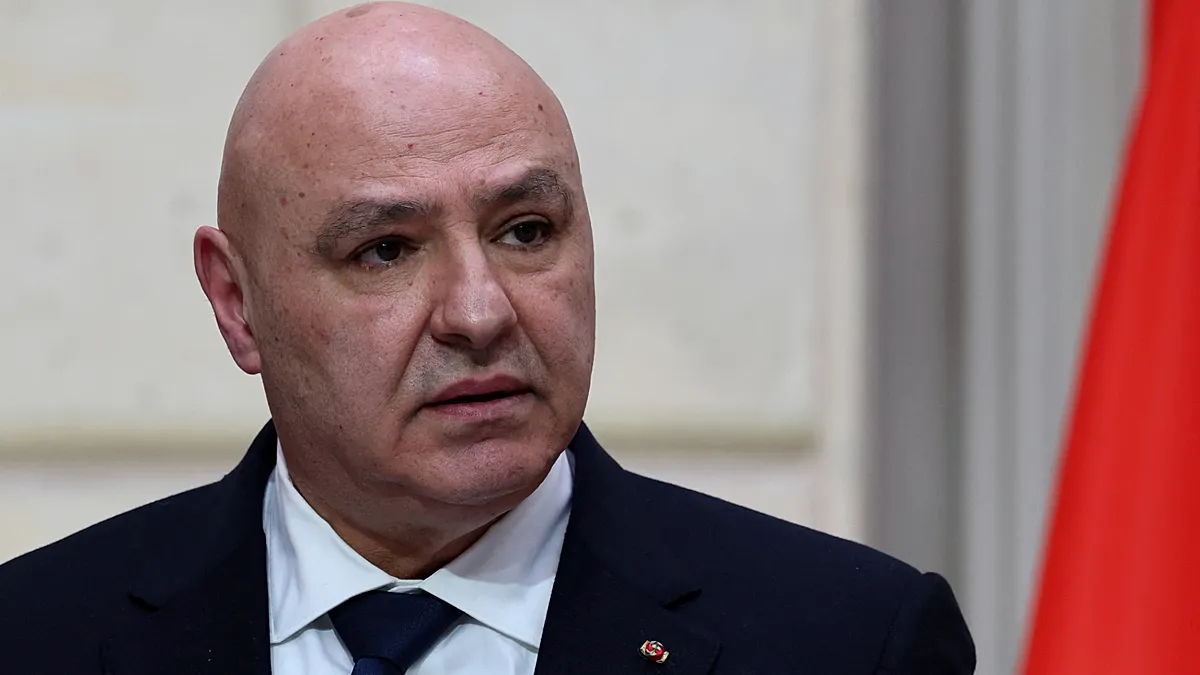
Poinews.com – Lebanese President Michel Aoun recently asserted that “this is our country” in a sharp rebuke of Iran’s growing influence in the nation, highlighting the deepening rift between Beirut and Tehran. During an exclusive interview with CNN, Aoun emphasized that Iran’s actions in Lebanon are not aligned with the country’s interests, accusing the Islamic Republic of using Lebanon as a strategic asset in its rivalry with the United States and Israel. “You are not trying to help us,” he said, stressing that the Lebanese people are bearing the brunt of external pressures. Araqchi, Iran’s foreign minister, quickly responded to these remarks, suggesting that Iran’s involvement in Lebanon is more profound than Aoun claims, with a notable quote that underscores the perceived control Tehran holds over the country.
The Clash of Perspectives
Araqchi, speaking on social media, pointed out that if Iran were merely a pawn, an agreement would have already been reached. However, he countered Aoun’s claim by stating,
“Based on Mr. Aoun’s comments, one might assume Iran controls a fifth of Lebanon, has displaced a quarter of its population, and bombards the country daily.”
This statement reflects the tension between the two leaders, with Aoun insisting that Lebanon is an independent entity. “We are tired and want to live in peace,” Aoun added, noting that the Lebanese deserve dignity and stability rather than recurring cycles of destruction. His remarks have sparked discussions about the role of foreign powers in Lebanon’s internal affairs and the potential for a shift in the country’s political alignment.
The Lebanese president’s focus on sovereignty comes at a time when Iran has been increasingly active in the region. Recent military actions, including an Israeli air strike on a military vehicle in the Khardali–Nabatieh area, have drawn criticism from both sides. Aoun, who has long advocated for a unified approach to regional conflicts, called for direct negotiations with Israel to halt hostilities. “We are prepared, willing, and committed to negotiate,” he stated, arguing that the war between Lebanon and Israel has lasted for decades and that both nations now share a common desire for peace. This stance aligns with a broader consensus within Lebanese society, where many view Hezbollah’s influence as a key factor in the country’s ongoing struggles.
Political Legacy and Diplomatic Resolve
As a former army commander, Aoun has a deep understanding of the challenges facing Lebanon. During his eight-year tenure as military leader, he witnessed firsthand the toll of conflict, including sustaining injuries in battle and suffering from hearing damage due to frontline exposure. Despite this, he remains resolute in his pursuit of diplomacy. “I prefer negotiation to war,” he said, emphasizing that his children and the people of Lebanon should not continue to face the same hardships. His vision for the future includes disarming Hezbollah through state-led efforts, though he acknowledges the process will require significant political will and time.
The broader regional context adds complexity to Aoun’s message. While he accuses Iran of using Lebanon as a tool, he also recognizes the interconnected nature of Middle Eastern conflicts. Araqchi’s warnings about Lebanon’s “real enemy” suggest that Iran views its alliance with Hezbollah as a strategic necessity, rather than a threat. This dynamic has fueled debates about Lebanon’s sovereignty, with some citizens supporting Hezbollah’s resistance against Israel and others advocating for a more neutral stance. Aoun’s insistence on diplomacy reflects a desire to balance these competing interests and avoid further escalation.
Recent developments have underscored the urgency of Aoun’s message. The Israeli air strike that killed several soldiers has reignited fears of a prolonged conflict, with Araqchi warning that such attacks could destabilize the region. Meanwhile, Hezbollah’s leader, Naim Qassem, has criticized negotiations as a sign of weakness, a perspective that contrasts with Aoun’s belief in dialogue as the solution. The Lebanese government, led by Prime Minister Nawaf Salam, has echoed Aoun’s calls for Iran to reduce its pressure on Beirut, though the path to resolution remains fraught with challenges. As the country grapples with these tensions, the focus on sovereignty and peace remains central to its political discourse.