Iran football squad cleared for US entry but staff still await visas
Iran Football Squad Cleared for US Entry but Staff Still Await Visas Iran football squad cleared for US entry - Iran's national football team has successfully

Iran Football Squad Cleared for US Entry but Staff Still Await Visas
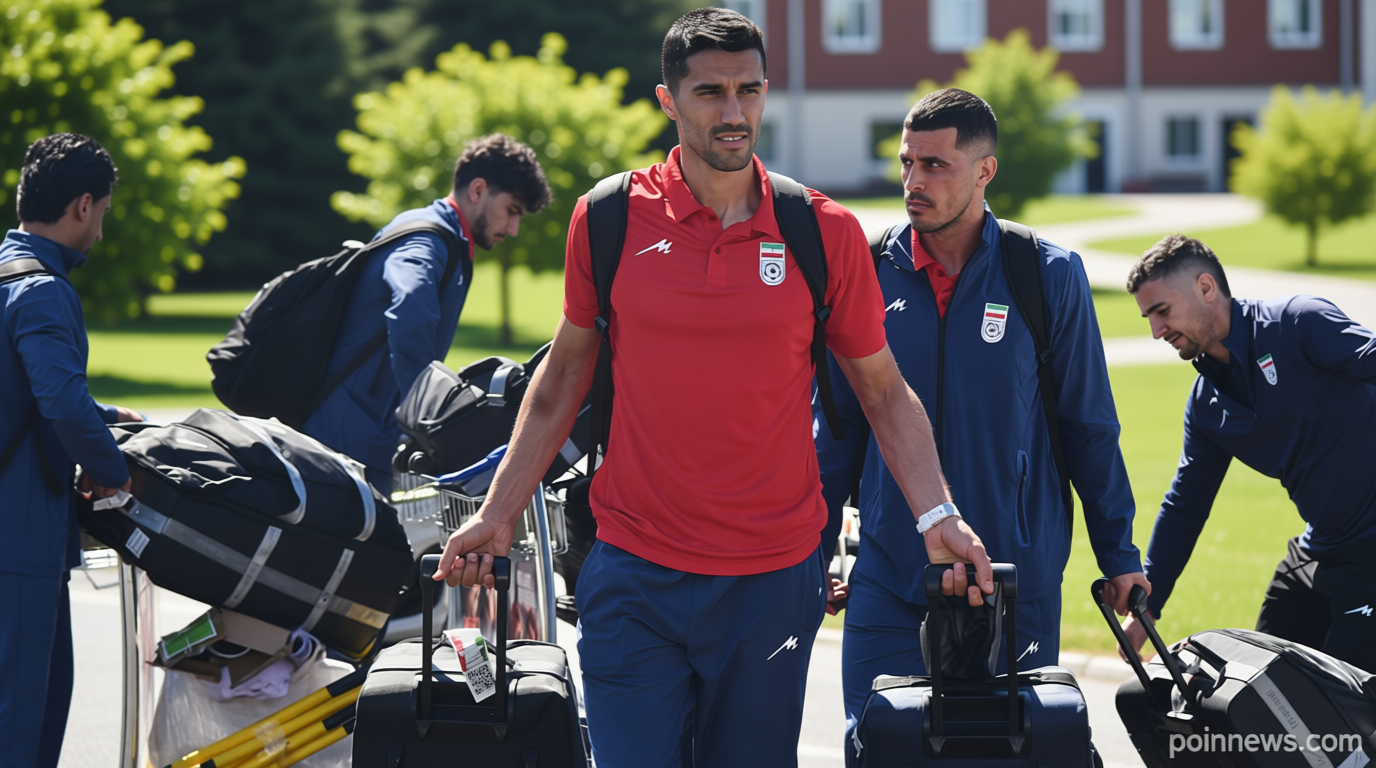
Poinews.com – Iran’s national football team has successfully secured entry into the United States for the 2026 FIFA World Cup, marking a significant milestone in their preparations for the global tournament. The squad, which will participate in the Group G campaign, has been granted the necessary travel permits to compete in the U.S., Mexico, and Canada. This development comes as a relief to players and fans alike, who had anticipated potential diplomatic hurdles. However, despite the team’s clearance, several support staff members—including coaches, medical personnel, and administrative team members—remain without their U.S. visas, creating uncertainty for the final stages of their buildup. The issue highlights the ongoing challenges in international travel between Iran and the United States, even as the football squad’s entry is finalized.
Visa Delays and Diplomatic Context
The visa delays for Iran’s football staff have sparked speculation about the broader diplomatic tensions between Washington and Tehran. While the players’ permits were approved ahead of schedule, the U.S. State Department has been slower in processing documentation for non-player personnel. This discrepancy may be attributed to the scrutiny surrounding individuals linked to Iran’s Islamic Revolutionary Guard Corps (IRGC), as noted by U.S. Secretary of State Marco Rubio during a recent address to lawmakers. “Individuals associated with Iran’s Islamic Revolutionary Guard Corps will not be allowed into the World Cup delegation,” Rubio emphasized, signaling a cautious approach to ensuring the team’s alignment with American foreign policy priorities. The situation underscores how sports diplomacy often intersects with geopolitical considerations, complicating the logistics of international competitions.
Training Adjustments Amid Visa Challenges
In response to the visa delays, Iran’s football team has made strategic adjustments to their training schedule to mitigate potential disruptions. Originally based in Arizona, the squad relocated their preparation activities to Tijuana, Mexico, to avoid the delays in U.S. visa approvals for support staff. This shift not only streamlines their operations but also allows for closer collaboration with Mexican officials, who have been more accommodating in processing the team’s requirements. The move reflects a pragmatic approach to ensuring that Iran’s delegation remains cohesive and ready for the tournament. Despite the logistical challenges, the team’s focus remains on refining their gameplay and building momentum for the Group G fixtures, which include matches against Belgium, Egypt, and New Zealand.
Impact on Team Cohesion and Fan Engagement
The visa delays for support staff have raised concerns about the team’s overall cohesion, as these personnel play a critical role in logistics, strategy, and player morale. Iranian football officials have expressed hope that the situation will be resolved before the opening match on June 15 in Los Angeles, which is a key moment for the squad’s campaign. While the players have been able to focus on their preparation, the uncertainty surrounding their staff could affect the team’s ability to execute in-game strategies effectively. Fans in the U.S. and abroad are eagerly anticipating the team’s debut, but the visa issue has introduced a layer of unpredictability. Analysts suggest that the delay might also influence the team’s approach to fan interactions, as support staff are essential for managing media engagements and public relations efforts.
Broader Implications for International Sports Collaboration
The case of Iran’s football squad serves as a microcosm of the challenges faced by other international sports delegations navigating political tensions. As the 2026 World Cup approaches, the situation has drawn attention to how travel restrictions can impact team dynamics and competition readiness. While the players’ clearance is a positive step, the continued delays for staff highlight the need for more streamlined visa processes for athletes and their support networks. This situation may also encourage dialogue between Iran and the U.S. to resolve bureaucratic bottlenecks, ensuring smoother participation in future global events. For now, the team’s focus remains on adapting to the circumstances, with officials expressing confidence in their ability to overcome logistical hurdles and deliver strong performances on the field.
Iran’s football squad cleared for US entry has also sparked discussions about the role of sports in fostering cross-cultural understanding. Even as diplomatic relations remain strained, the team’s presence in the United States offers a platform for dialogue and mutual appreciation. Fans in both countries are keen to see how the squad’s clearance will influence their matches, particularly against teams like Belgium and New Zealand, which are considered strong contenders in the Group G. The upcoming fixtures in the U.S. will not only test the squad’s skills but also their adaptability in a new environment. As the World Cup draws closer, the focus shifts to ensuring that all members of the delegation—player and staff alike—are fully prepared to represent Iran on the international stage. The resolution of the visa issue for remaining staff will be crucial in maintaining the team’s competitive edge during the tournament.