Czech porn studio staff stand trial over alleged trafficking of women
Czech porn studio staff stand trial -

Czech Porn Studio Staff Face Trial on Human Trafficking Allegations
Prosecutors Claim Recruitment Tactics Concealed True Intent
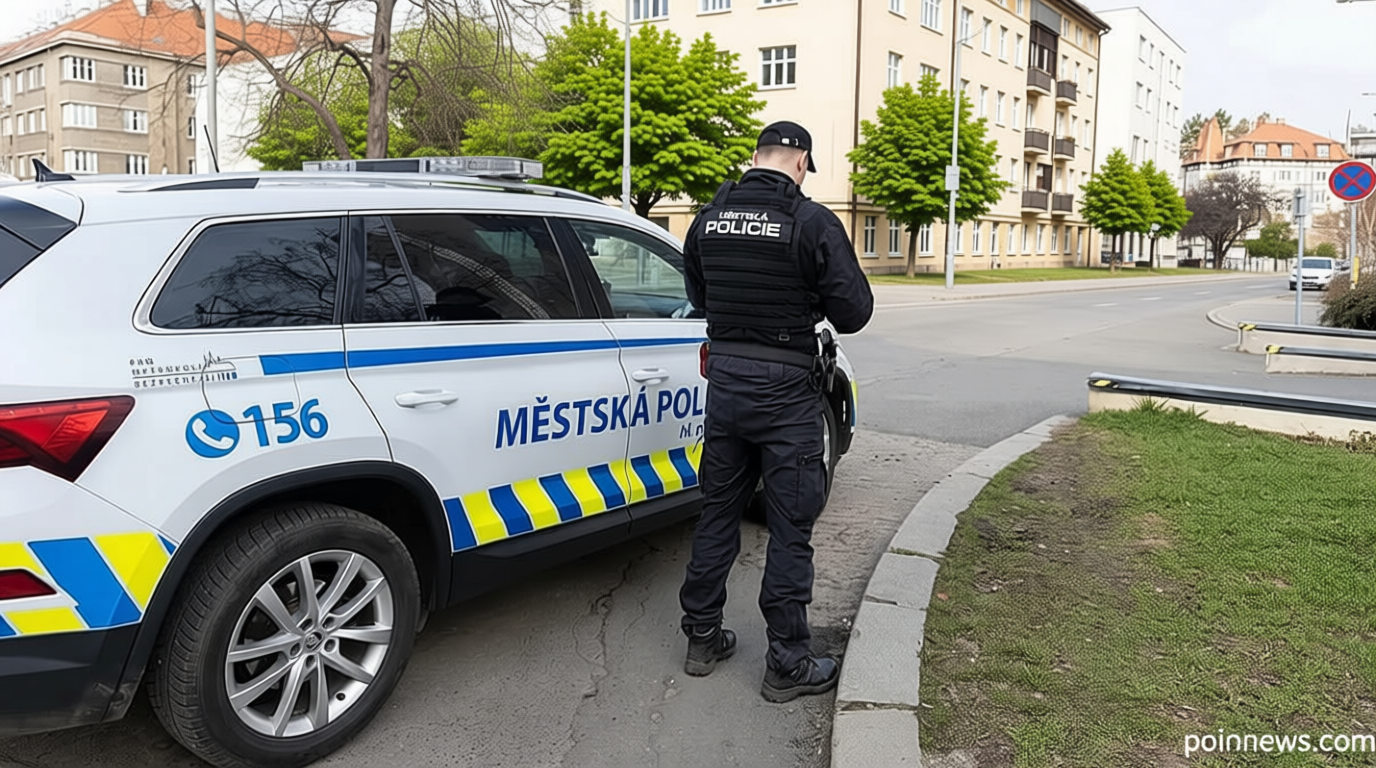
Poinews.com – Nine individuals associated with a Czech pornography production company are set to appear in court on charges of human trafficking. The legal action follows accusations that the group lured young women with false promises of modelling work, only to force them into appearing in explicit films. Prague city prosecutors stated that if found guilty, the defendants could face up to 12 years of imprisonment.
“The accused consist of organizers behind the Czech Casting initiative, financial managers, and personnel involved in production and contractual arrangements,” explained Aleš Cimbala, spokesperson for the prosecutor’s office. He noted that roles included photographers, camera operators, and performers, all implicated in the alleged scheme.
Defense Argues Women Consent and Signed Contracts
The defendants have denied the accusations, with Czech news outlet Brno Daily reporting that their legal team will assert the women willingly agreed to participate. They claim contracts clearly outlined the nature of the videos, ensuring informed consent. However, investigators suggest the offers masked the reality of the women’s exploitation.
“The recruitment process used enticing job advertisements for women aged 18 and older, but these were merely a cover for the eventual production of pornography,” said the Czech organized crime unit (NCOZ). The unit emphasized that the women faced significant psychological and physical repercussions, with some requiring long-term medical care.
Historical Context of Prague’s Adult Entertainment Industry
Prague has historically been a key hub for the adult entertainment sector, especially since the 1989 Velvet Revolution ended communist rule in Czechoslovakia. The easing of censorship laws and the shift to a market economy drew numerous producers to the city, creating an environment where such operations could thrive. The current case highlights ongoing concerns about the industry’s practices, with 18 women identified as victims by the State Prosecutors’ Bureau.
Authorities allege that during the recruitment phase, organizers pressured women by downplaying the significance of signed agreements and creating a sense of urgency. This, they claim, undermined the women’s ability to make fully informed decisions about their participation in the films.
The NCOZ estimates that hundreds of women may have been affected by the group’s activities between 2016 and 2019. The case underscores the broader issue of coercion in the adult film industry, particularly in regions with established production networks. As the trial proceeds, the focus remains on whether the recruitment tactics constituted trafficking and the extent of the victims’ suffering.