As Europe braces for a second heatwave, the EU’s Green Deal faces crucial summer test
As Europe Braces for a Second Heatwave, the EU’s Green Deal Faces Summer Scrutiny As Europe braces for a second heatwave in 2026, the continent is confronting

As Europe Braces for a Second Heatwave, the EU’s Green Deal Faces Summer Scrutiny
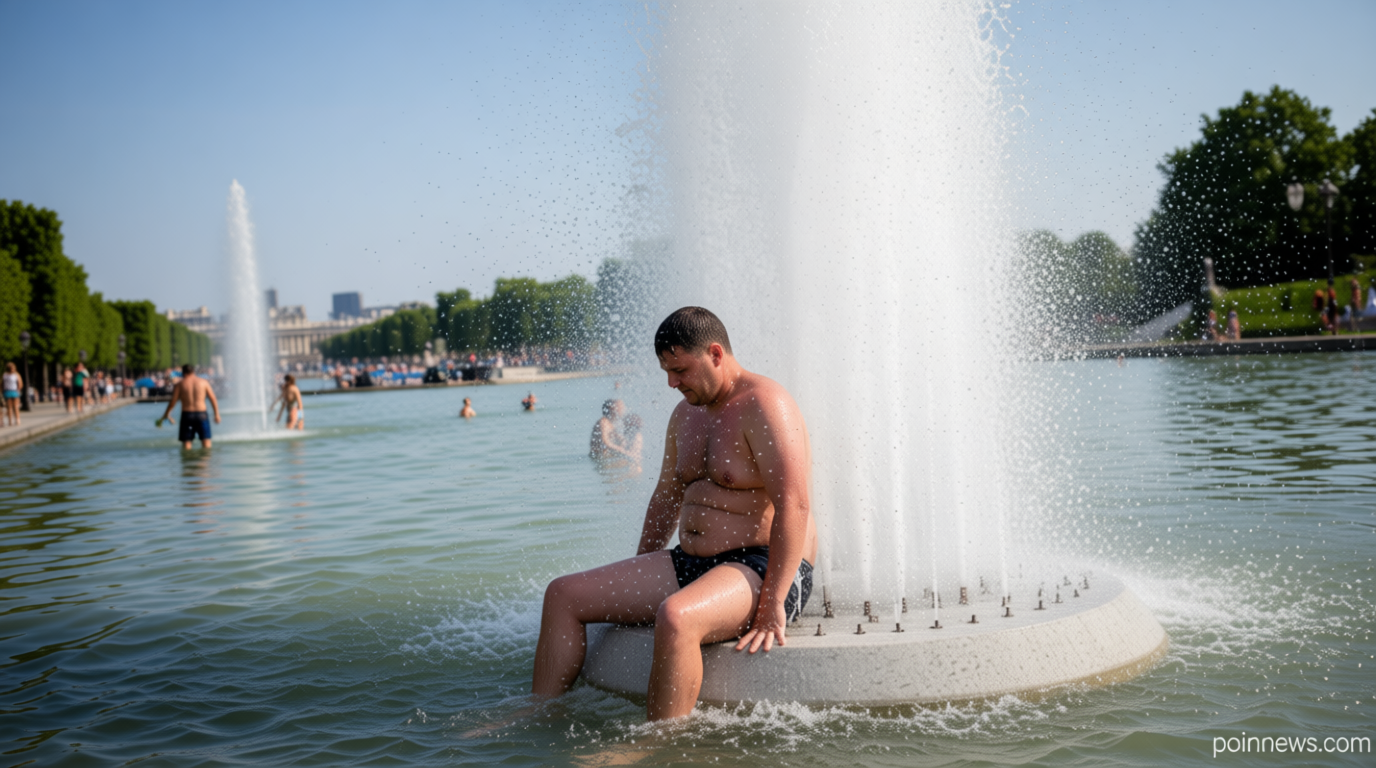
Poinews.com – As Europe braces for a second heatwave in 2026, the continent is confronting the growing challenge of extreme summer temperatures that threaten both human health and energy infrastructure. The deadly June heatwave, which claimed around 1,300 lives, has already cast doubt on the effectiveness of the EU’s climate strategy. Now, with another wave of scorching weather on the horizon, the European Green Deal is under pressure to deliver tangible results in real-world conditions. The test comes as heat-related emergencies escalate, forcing policymakers to reassess whether their long-term goals align with immediate climate resilience needs.
Challenges of Winter-Centric Climate Planning
Launched in 2019, the European Green Deal prioritized reducing energy consumption and combating winter-related emissions, focusing on insulation and heating systems. However, this approach has overlooked the increasing frequency of summer heatwaves, which are now shaping the climate crisis in a different way. Experts argue that the policy’s emphasis on cold-weather preparedness has left European cities vulnerable to heat accumulation, particularly in urban areas where energy demands soar during peak temperatures.
“The Green Deal was designed with winter in mind, but summer is the new reality,” said Teresa Ribera, Executive Vice-President of the European Commission for the clean transition. “We need to rethink our strategies to ensure they work for all seasons, not just the cold ones.” Her remarks highlight a growing consensus that the EU’s climate policies must adapt to the changing climate, incorporating measures that address both heating and cooling challenges.
With temperatures in June 2026 reaching historic highs, cities like Paris, Amsterdam, Madrid, and Munich are experiencing unprecedented strain on their energy systems. Buildings designed for insulation in winter are now trapping heat, creating dangerous microclimates that exacerbate the effects of global warming. This has sparked urgent calls for retrofitting urban infrastructure to prioritize ventilation, shading, and cooling technologies, which were previously sidelined in favor of energy efficiency measures.
The Air Conditioning Debate Intensifies
As heat becomes a persistent threat, EU lawmakers are divided over the role of air conditioning in mitigating climate impacts. While some advocate for expanding AC access to protect public health, others warn of its potential to strain energy grids. Roman Haiden, from the Austrian party Patriots for Europe, argued that air conditioning is a “rather obvious solution” to rising temperatures, emphasizing that it should be embraced without hesitation.
Michal Kobosko, a Polish Renew Europe representative, echoed this sentiment, stating that the EU “definitely needs” to increase air-conditioning capacity to meet the demands of a hotter climate. He argued that the trend should drive investment in European manufacturing, reducing reliance on imported systems from China. However, the push for air conditioning also raises concerns about increased energy consumption, which could conflict with the Green Deal’s goal of reducing fossil fuel use.
Meanwhile, Ana Vasconcelos, a Portuguese Renew Europe member, suggested that market-driven solutions—such as tax incentives and reduced regulations—could make air conditioning more accessible. “Letting the market work by lowering taxes and regulations will make ACs affordable,” she told Euronews. This perspective aligns with the Green Deal’s focus on electrification, as renewable energy sources expand to power cooling systems without compromising sustainability.
“We’ve been too focused on reducing energy use in winter, but summer is where the real test lies,” added a climate scientist from the European Environment Agency. “The Green Deal must now address the full spectrum of seasonal challenges to be truly effective.” Their comments underscore the need for a more holistic approach to climate adaptation, one that balances energy efficiency with resilience to extreme heat.
With summer heatwaves becoming more frequent and severe, the EU’s climate policies are being re-evaluated to ensure they can withstand the pressures of a warming world. The Green Deal’s success in this season will depend on its ability to integrate cooling infrastructure into urban planning, modernize energy grids, and address public health concerns. As the continent prepares for yet another intense heatwave, the question remains: can the EU’s long-term climate strategy adapt to the immediate needs of its people in the face of escalating temperatures?