Damascus explosion caused by bomb, state TV says, as death toll climbs to five
ses Damascus explosion caused by bomb state - A powerful explosion rocked central Damascus on Thursday, with Syrian state television confirming that the blast

Damascus Blast: Bomb Responsible, Death Toll Rises
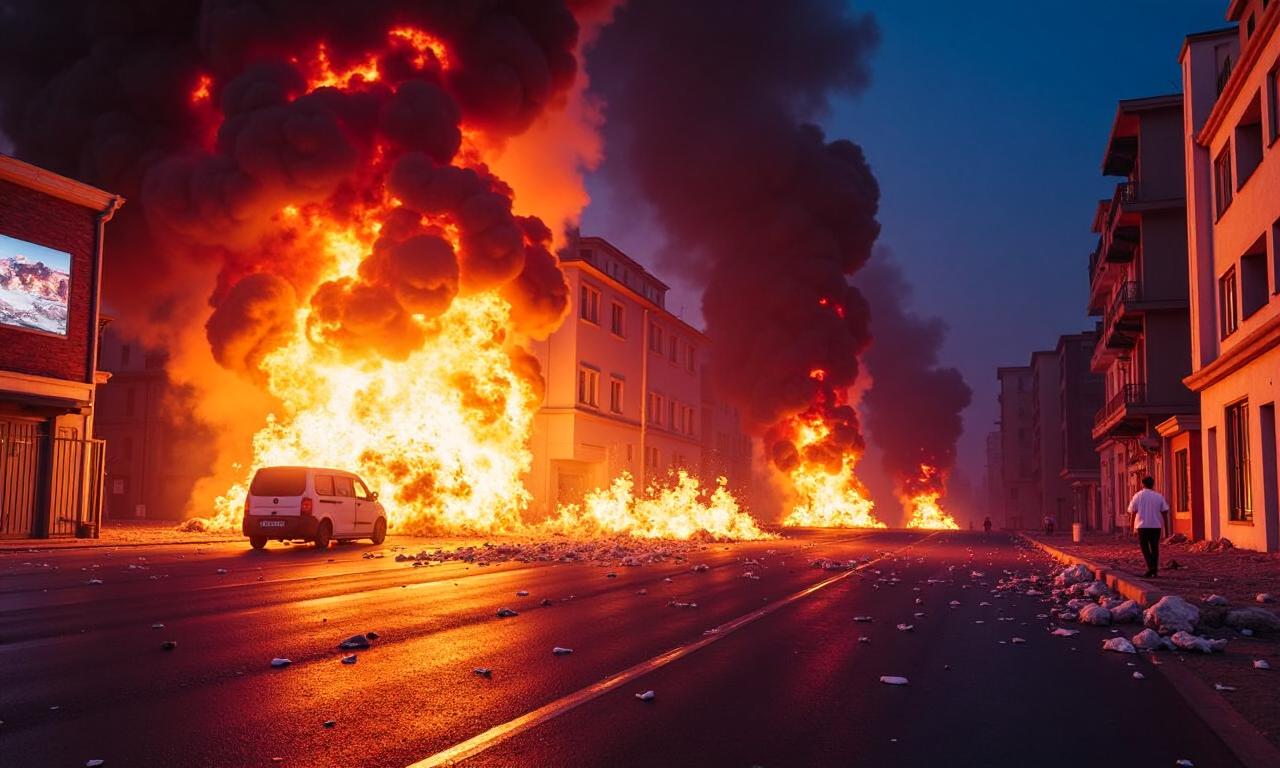
Poinews.com – A powerful explosion rocked central Damascus on Thursday, with Syrian state television confirming that the blast was caused by a bomb planted at the scene. The incident, which occurred near the Palace of Justice, has led to a reported death toll of five and ongoing investigations into the circumstances surrounding the attack. State TV’s initial report cited the explosion as a result of an explosive device, marking a shift from earlier claims that suggested the cause of the blast was still under scrutiny. This development has intensified concerns over security in the capital, as the country continues to grapple with the aftermath of prolonged conflict and political instability.
Details of the Damascus Explosion
According to Syrian state television, the explosion occurred in a café located close to the Palace of Justice, a landmark building in Damascus that has often been a target of attacks. The report stated that the blast was attributed to a “bomb planted in the location,” emphasizing the deliberate nature of the attack. Officials confirmed that the casualties included both civilians and possibly security personnel, though exact details about the victims remain pending. The incident has raised questions about the security measures in place in the area, particularly following the formation of the first parliament since the fall of Bashar al-Assad’s regime in 2023.
“The explosion that took place in a café near the Palace of Justice in Damascus was caused by a bomb planted at the scene,” said Syrian state television, which initially reported that the cause of the blast was still under investigation. This update aligns with statements from the Syrian health ministry, which confirmed the death toll had risen to five and reported several injuries. The timing of the attack—just days after the interim government announced the establishment of the new legislative body—has added a layer of political significance to the event, suggesting a potential link between the explosion and ongoing power struggles in the country.
The explosion has sparked immediate reactions from both local and international observers, with many speculating about the motives behind the attack. Damascus, a city that has endured numerous bombings and attacks over the years, remains a focal point for security threats. Analysts have noted that the timing of the incident, following the swearing-in of the new parliament, may indicate an attempt to destabilize the government or send a message to its supporters. The Syrian state media’s swift attribution of the blast to a bomb underscores the narrative being shaped by the ruling authorities, though independent sources may offer different interpretations.
Political Context and Parliamentary Developments
Amid the rising tensions, the formation of the new parliament has become a symbol of hope for many Syrians. The 210-member legislative body, which includes 70 legislators appointed by interim president Ahmad al-Sharaa, is set to convene for its first session. This development marks a critical step in the country’s transition from authoritarian rule to a more representative political system. However, the recent Damascus blast has cast a shadow over these efforts, as critics question whether the new government can effectively address the security challenges facing the nation.
Al-Sharaa, who assumed the presidency after the ousting of Assad, has faced scrutiny over his selection of parliament members. The inclusion of 15 women among the 70 legislators represents a small but notable step toward gender representation in Syrian politics. Yet, the explosion in Damascus highlights the delicate balance between political progress and ongoing threats. As the parliament prepares to take its oath, the incident serves as a reminder of the fragile security environment in which the new government operates. The Syrian state TV’s emphasis on the bomb as the cause of the blast may also be a strategic move to bolster public confidence in the interim leadership.
International reactions to the explosion have been swift, with several countries expressing concern over the situation in Syria. The United Nations and regional allies have called for transparency in the investigation, urging Syrian authorities to provide full details about the attack and its potential connection to the political landscape. Meanwhile, local activists and opposition groups have used the incident to critique the government’s ability to ensure safety and stability. The focus keyword “Damascus explosion caused by bomb” has become central to global discussions about Syria’s security and political future, with the event being widely reported across international news platforms.