Hitmen took €150,000 to murder journalist Daphne Caruana Galizia, Malta court hears
Hitmen Took €150,000 to Murder Investigative Journalist Daphne Caruana Galizia, Malta Court Hears Hitmen took 150 000 to murder - The Malta court has heard

Hitmen Took €150,000 to Murder Investigative Journalist Daphne Caruana Galizia, Malta Court Hears
Poinews.com – The Malta court has heard compelling testimony that hitmen were paid €150,000 to murder investigative journalist Daphne Caruana Galizia, a case that has become a symbol of corruption and political intrigue in the Mediterranean nation. Prosecutors presented evidence suggesting that Yorgen Fenech, a prominent businessman and former tycoon, orchestrated the 2017 assassination through a covert operation involving cash payments, coded messages, and a well-planned ambush. The trial, which began on Wednesday after years of legal delays, has drawn international attention as it unravels the complex web of alliances and motives behind the attack that left Caruana Galizia dead.
The €150,000 Payment and the Hitmen’s Plan
According to the indictment shared with the Times of Malta, Fenech allegedly arranged the murder through a handshake, a €150,000 cash payment, and a discreet text message. The plot involved a close associate who identified individuals willing to carry out the killing, eventually leading to the involvement of Alfred and George Degiorgio, two brothers who were each sentenced to 40 years in prison in 2022 for their role in the attack. Prosecutors argue that the conspirators believed the €150,000 reward would ensure silence from Caruana Galizia, whose investigative reports had exposed financial scandals involving top Maltese officials.
The strategy initially called for a sniper ambush at her home, but the plan was revised to a car bomb after fears of detection. The attack on October 16, 2017, targeted Caruana Galizia as she prepared to publish a damning report on government corruption. A coded message sent the day before activated the explosive device hidden beneath the driver’s seat of her Peugeot 108, turning a routine trip into a deadly event. The €150,000 payment was reportedly intended to cover the cost of the operation, as well as to bribe witnesses and ensure the disappearance of evidence.
Caruana Galizia’s Legacy as a “One-Woman WikiLeaks”
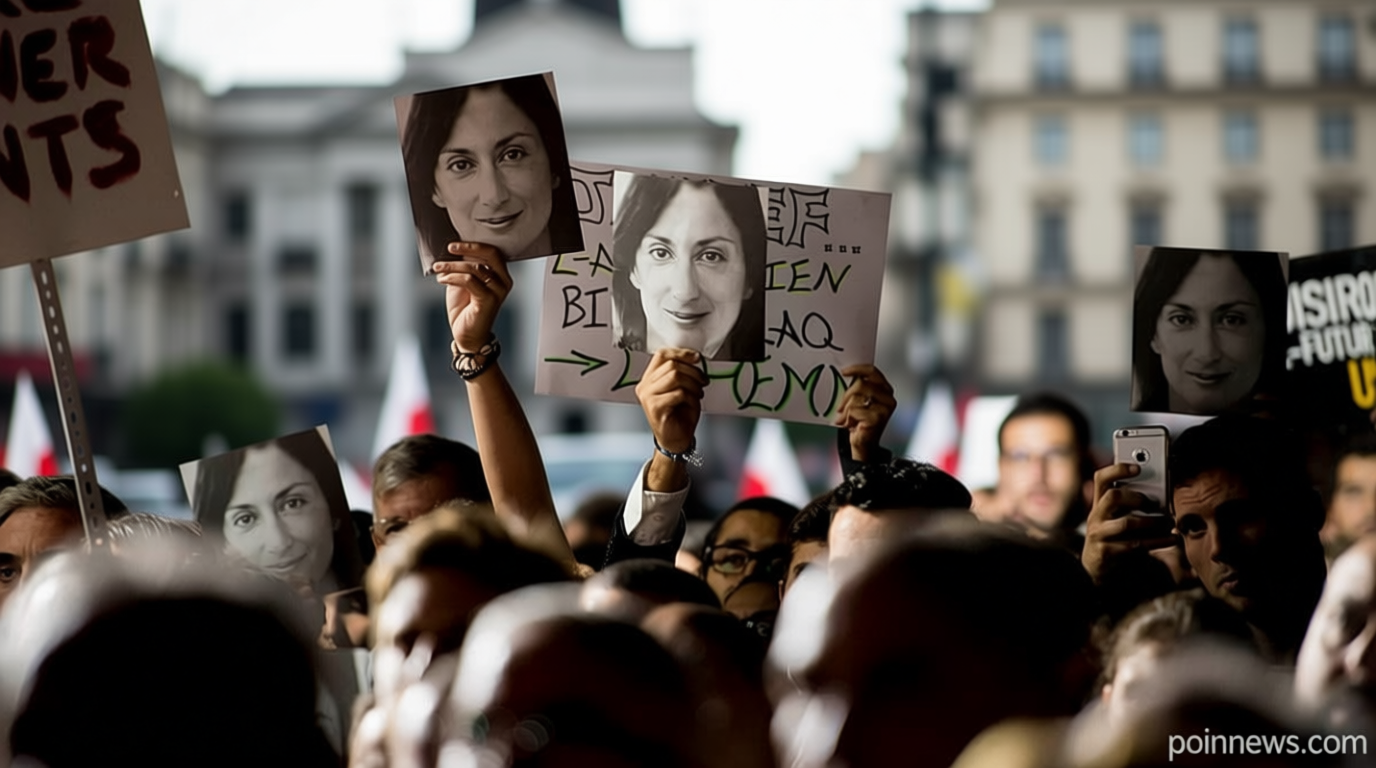
Caruana Galizia, a 53-year-old mother of three, was hailed as a “one-woman WikiLeaks” for her relentless pursuit of truth in Malta’s political and economic circles. Her work uncovered extensive networks of graft and illicit deals between business leaders, politicians, and foreign entities, exposing how corruption undermined public trust in the island’s governance. The journalist’s final report, which detailed the financial ties between then-prime minister Joseph Muscat and powerful business figures, became a catalyst for national debate and a rallying point for activists demanding accountability.
Her death sparked global outrage and intensified scrutiny on Malta’s rule-of-law mechanisms. The €150,000 payment, which was a critical element of the prosecution’s case, has been linked to efforts to silence her before she could reveal more damaging information. The trial now seeks to determine whether Fenech, who once secured a multimillion-euro state contract for a gas-fired power plant, was directly involved in the plot or merely a financier. As the court continues its proceedings, the legacy of Caruana Galizia remains a powerful reminder of the risks faced by investigative journalists in the fight against corruption.
The prosecution has emphasized the €150,000 sum as a key indicator of the hitmen’s motivation, arguing that it was a substantial incentive to ensure the attack’s success. The cash payment, along with the coded message and logistical coordination, highlights the sophistication of the conspiracy. Defense lawyers, however, have challenged the evidence, suggesting that the payment was part of a broader business deal rather than a direct order for murder. The case has also drawn comparisons to other high-profile assassinations, with critics accusing Maltese authorities of a slow response to Caruana Galizia’s death and the subsequent cover-up attempts.
As the trial progresses, the court is examining the connections between Fenech, the Degiorgio brothers, and the individuals they targeted. The €150,000 payment is believed to have been distributed among the conspirators, with the brothers playing a central role in the execution of the plan. The indictment details how the hitmen were instructed to remain anonymous, using disguises and a prearranged escape route to avoid identification. Despite these precautions, forensic evidence and witness accounts have led to their convictions, cementing the case as a landmark in Maltese legal history.
The trial’s proceedings have underscored the significance of the €150,000 payment in the context of Malta’s political landscape. Prosecutors argue that the amount reflects the value placed on Caruana Galizia’s life and the magnitude of the secrets she threatened to expose. The case has also highlighted the role of intermediaries in facilitating the plot, with one of Fenech’s associates negotiating the details of the assassination. As the court continues to hear testimony, the focus remains on whether the payment was a decisive factor in the murder or part of a larger scheme of influence and control.