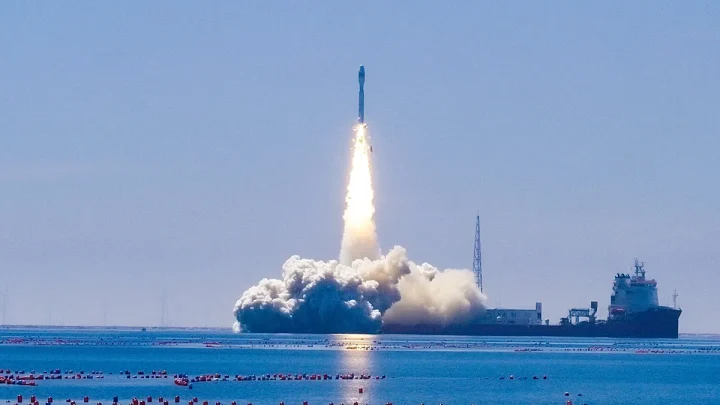
Amazon set to launch Leo, its rival to SpaceX’s Starlink internet, later this year
Amazon Launches Leo, Rival to Starlink Internet, Later This Year Amazon's Ambitious Satellite Internet Initiative Amazon set to launch Leo its rival - Amazon

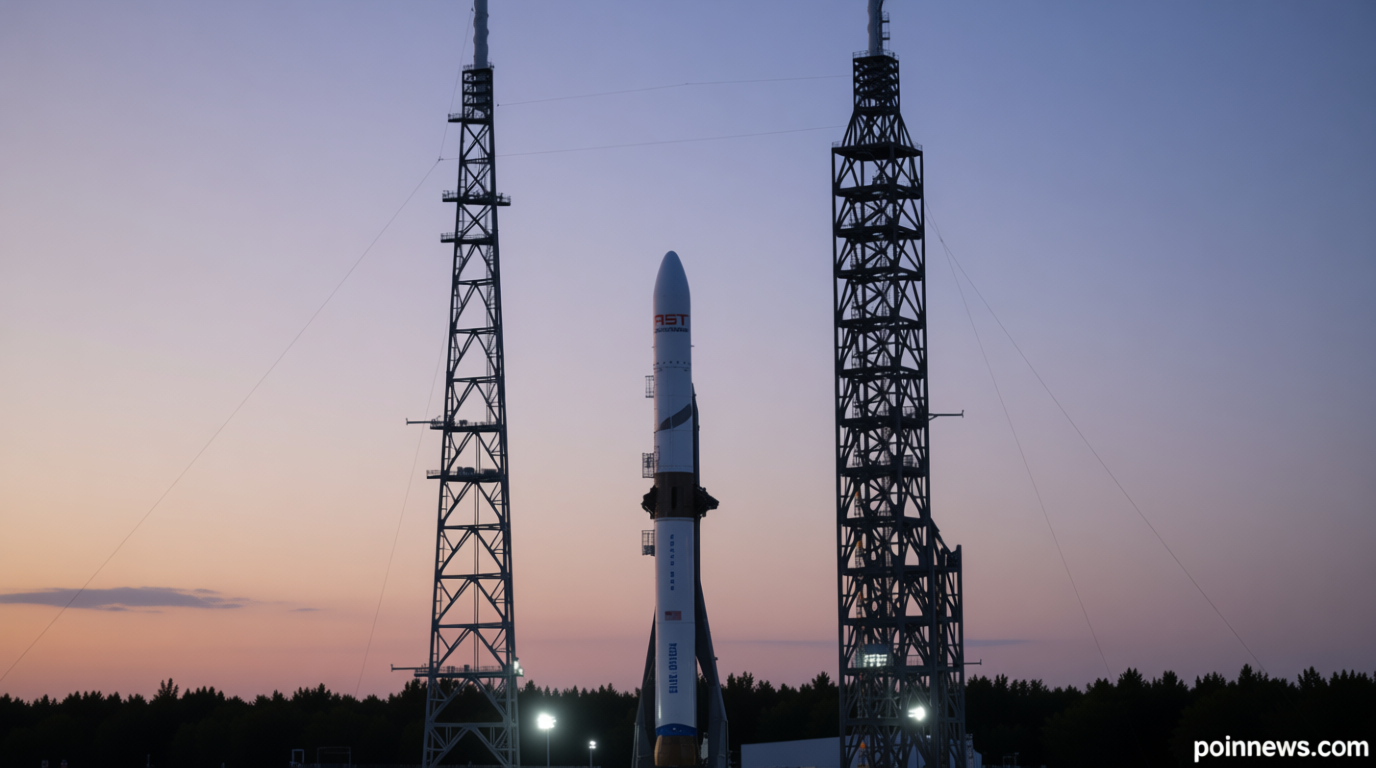
Amazon Launches Leo, Rival to Starlink Internet, Later This Year
Amazon’s Ambitious Satellite Internet Initiative
Poinews.com – Amazon is poised to introduce Leo, its satellite internet service, later this year, marking a significant milestone in its competition with SpaceX’s Starlink. The company has confirmed that it has deployed enough satellites to begin commercial operations in key regions, with the initial constellation now exceeding 390 units. This achievement comes after a series of successful launches, including the recent deployment of 29 satellites via a United Launch Alliance Atlas V rocket. The project, originally launched in 2019, has been rebranded as Amazon Leo in November 2025 to emphasize its global expansion goals and technological advancements.
Progress and Challenges in the Launch Timeline
The development of Amazon Leo has faced several challenges, including limited rocket availability and repeated delays in launch schedules. A major setback occurred on May 28 when a Blue Origin New Glenn rocket exploded during a ground test, but Amazon clarified that its satellites were not involved in the incident. The affected hardware is now securely stored at Amazon’s processing facility, and the company has assured that its launch timeline remains on track. With the upcoming mission set to use the ULA Vulcan heavy-lift rocket, Amazon aims to streamline satellite deployment and strengthen its position in the growing satellite internet market.
Chris Weber, vice president of business and product for Amazon Leo, stated, “We have enough satellites in orbit to ensure continuous service across the initial coverage areas.”
Strategic Positioning in the Competitive Landscape
Amazon Leo is positioned as a direct competitor to SpaceX’s Starlink, which currently operates over 10,400 satellites. While Starlink leads the market, Amazon’s project is rapidly gaining momentum, with its constellation now ranking as the third-largest in the industry. The company’s goal is to provide high-speed, low-latency internet access to underserved regions, leveraging its extensive logistics and cloud infrastructure expertise. This strategic move aligns with Amazon’s broader vision to expand digital connectivity and support its global business operations through a reliable satellite network.
Expansion of Beta Access and Commercial Rollout
Amazon has already begun beta testing for enterprise clients, offering early access to its satellite internet service. The company plans to expand this phase and achieve a full commercial rollout by the third quarter of 2026. This timeline reflects Amazon’s confidence in its technology and readiness to compete in the satellite broadband market. As it prepares for the launch of Leo, Amazon is working closely with its launch partners to ensure seamless operations and minimal disruptions. The service’s launch will further solidify Amazon’s role in the global space industry and its commitment to innovation in digital connectivity.
Technological Innovations and Market Impact
The Leo service is built on advanced satellite technology, including high-throughput antennas and improved orbital positioning systems. These innovations aim to deliver faster download speeds and more consistent connectivity compared to existing services. With the global demand for satellite internet growing, Amazon’s entry into the market could disrupt the industry by introducing a new competitor with robust infrastructure and a clear focus on scalability. The company’s ability to overcome previous setbacks, such as the Blue Origin rocket incident, demonstrates its resilience and dedication to achieving its ambitious goals.
Looking Ahead: Amazon’s Satellite Internet Vision
As Amazon prepares to launch Leo, the project underscores the company’s determination to carve out a significant share in the satellite internet sector. The service is expected to serve both residential and commercial clients, addressing the need for reliable connectivity in remote and rural areas. With a target of deploying approximately 3,236 satellites, Amazon’s long-term vision includes expanding its coverage to nearly every corner of the globe. This initiative not only strengthens Amazon’s position as a tech giant but also highlights its growing influence in the space industry. The launch of Leo is a testament to Amazon’s ability to innovate and adapt, ensuring it remains a key player in the evolving digital landscape.