Euronews Culture’s Film of the Week: ‘Fatherland’ – Paweł Pawlikowski’s Cannes-winning triumph
Euronews Culture's Film of the Week: 'Fatherland' by Paweł Pawlikowski Wins Cannes Euronews Culture s Film of the Week - Euronews Culture's Film of the Week

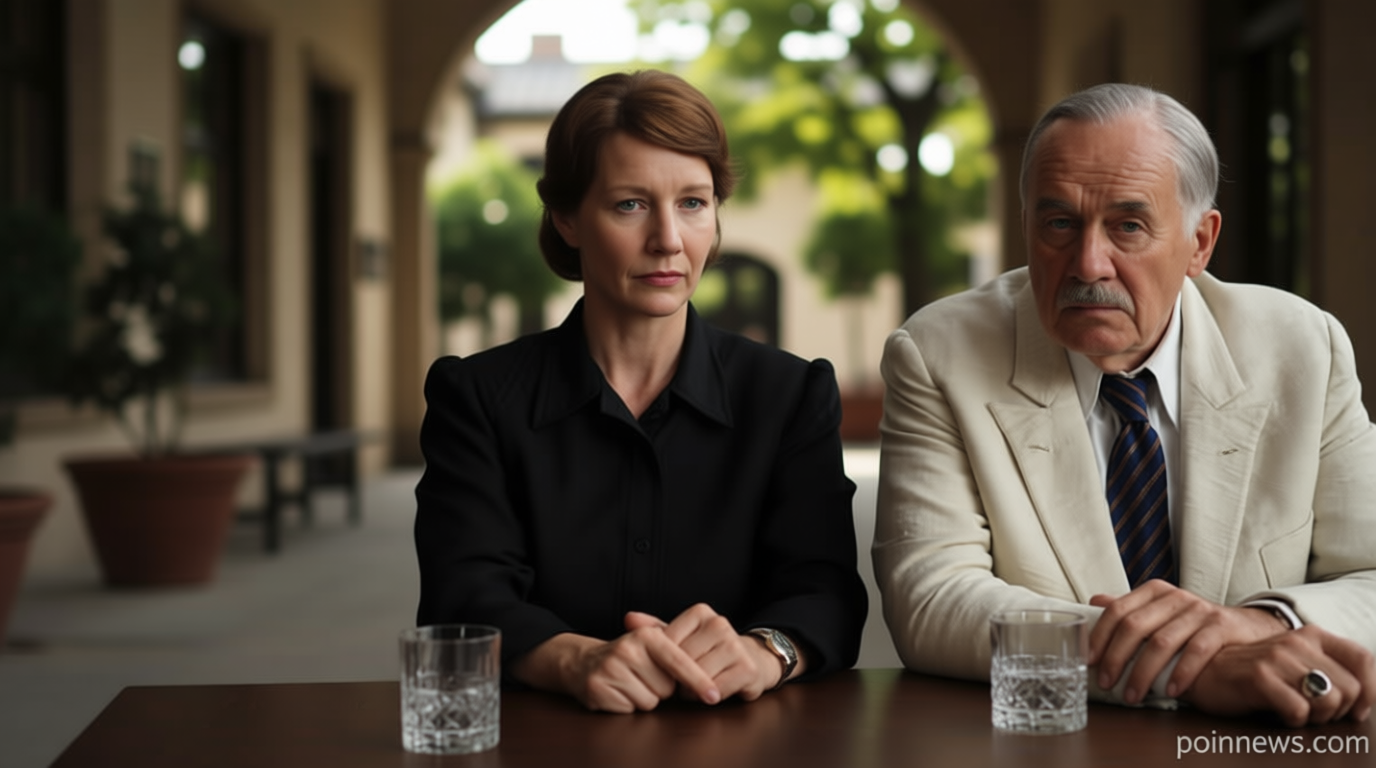
Euronews Culture’s Film of the Week: ‘Fatherland’ by Paweł Pawlikowski Wins Cannes
Poinews.com – Euronews Culture’s Film of the Week highlights Paweł Pawlikowski’s latest triumph, Ojczyzna (Fatherland), which secured the Best Director award at the 79th Cannes Film Festival. This marks the Polish director’s second major victory, following his 2018 win for Cold War. The film’s monochrome visuals and introspective narrative delve into the fractured psyche of a divided Germany, focusing on a father-son relationship rather than romantic undertones. Set against the backdrop of post-WWII Europe, it weaves personal and political tensions into a poignant exploration of identity and legacy.
A War-Torn Family
The story follows Thomas Mann, a German Nobel laureate, and his daughter Erika as they traverse a Germany split into East and West. Thomas, who fled to the U.S. in 1933, returns to his homeland four years after the war, seeking to reconcile with a past he once distanced himself from. His daughter, Erika, harbors ambivalence—drawn to the reunification of her country but burdened by memories of its wartime atrocities. Erika’s brother Klaus, exiled in France, voices sharp criticism of Germany’s role in the conflict, echoing the film’s themes of ideological conflict and personal sacrifice.
Thomas’s visit to Weimar, a symbol of Germany’s cultural past, is fraught with tension. He is torn between the competing ideologies of capitalism and Marxism, each vying to claim him as a figurehead. Erika, meanwhile, navigates the emotional and logistical challenges of the journey, serving as her father’s assistant, translator, and even barber. Her quiet determination contrasts with Klaus’s vocal disdain, captured in a memorable phone call where he declares, “Never again Germany—ugly place, ugly people, with a language created for lies.”
Visual and Narrative Mastery
Paweł Pawlikowski’s Fatherland continues his signature style of stark black-and-white cinematography and European storytelling shaped by wartime history. The film’s structure echoes his earlier works like Ida and Cold War, yet it introduces a new layer of emotional complexity. With an 82-minute runtime, Pawlikowski ensures every scene carries weight, as if the fragmented country itself is a character in the story. The use of still shots and claustrophobic long takes amplifies the characters’ internal struggles, mirroring the post-war uncertainty that defines their world.
The film’s quiet intensity is underscored by its deliberate pacing, allowing the audience to absorb the subtleties of its narrative. Euronews Culture’s Film of the Week emphasizes how Pawlikowski masterfully blends historical context with personal drama, making the past feel immediate and the present fraught with unresolved questions. The trio’s journey through Germany’s ruins becomes a metaphor for their own fractured relationships, with each location symbolizing a different aspect of their history and identity. This interplay of setting and character drives the film’s emotional resonance, elevating it beyond a simple historical account.
“Let’s go home,” Erika murmurs during their journey, prompting Thomas to reply, “Where is that?” This exchange encapsulates the film’s core theme: the search for belonging in a homeland reshaped by war and ideology. Euronews Culture’s Film of the Week praises the way Pawlikowski uses this dialogue to highlight the ambiguity of home, as well as the lingering guilt and pride that define his characters.
Cinematic Resonance and Impact
Sandra Hüller’s portrayal of Erika is a standout, bringing raw vulnerability to a role that balances historical intrigue with intimate emotion. Her performance, paired with Hanns Zischler’s nuanced depiction of Thomas, anchors the film’s exploration of memory and reconciliation. The director’s frequent collaborator, Łukasz Żal, contributes to the film’s haunting atmosphere through meticulously composed visuals and a score that evokes both sorrow and hope. These elements combine to create a meditation on how the past shapes the present, resonating with audiences on a deeply personal level.
The film’s climax in the ruins of a crumbling church, where a lone organist plays Bach, serves as a powerful symbol of continuity and loss. Erika and Thomas’s silent confrontation captures the essence of their journey, revealing the weight of history and the cost of belonging. As the camera lingers on their unspoken understanding, the audience is left to grapple with the film’s message about memory, guilt, and the search for meaning in a fractured world. Euronews Culture’s Film of the Week notes that Fatherland is not only a Cannes triumph but also a standout entry in Pawlikowski’s oeuvre, offering a timeless reflection on human resilience and reconciliation.