Belgian diamond group that won tariff relief gifts Trump lavishly encrusted ring
d Tariff Relief A Symbol of Diplomatic Triumph Belgian diamond group that won tariff - In a gesture of gratitude for securing significant tariff relief, a

Belgian Diamond Group Gifts Trump Opulent Ring Amid Tariff Relief
A Symbol of Diplomatic Triumph
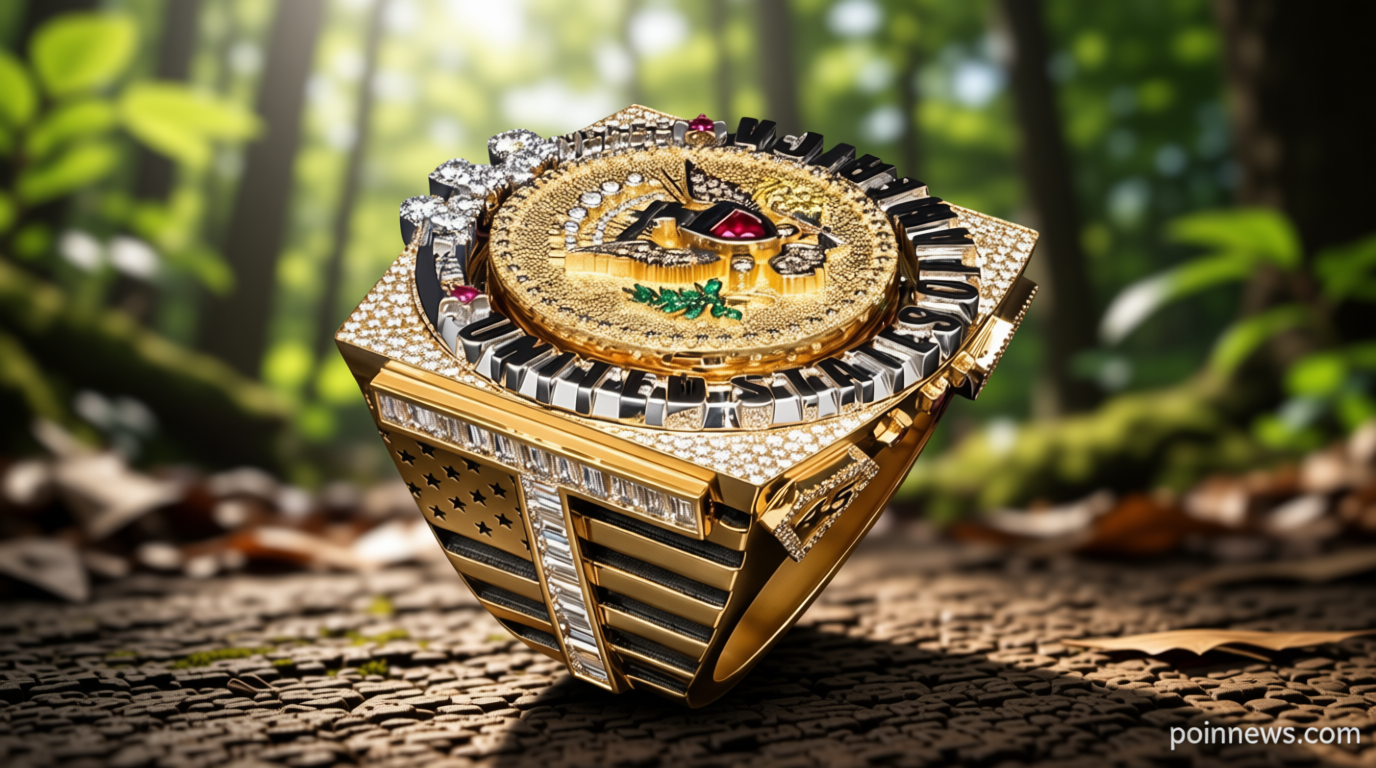
Poinews.com – In a gesture of gratitude for securing significant tariff relief, a prominent Belgian diamond group presented U.S. President Donald Trump with a stunningly crafted gold ring adorned with an array of precious gemstones. The ring, which features 321 diamonds, 56 sapphires, 13 emeralds, and six rubies, was designed as a tribute to the 250th anniversary of the United States. Its intricate details include two towering “T” letters, the American flag, and the years “1776” and “2026,” symbolizing the enduring bond between Belgium and the U.S. The piece also incorporates a diamond-embellished eagle holding a ruby shield and olive branch, crowned by the number “250” and the inscription “250 YEARS USA” in 18-karat gold. The interior of the ring is engraved with the phrase “Crafted in Antwerp for Donald John Trump,” underscoring the collaborative effort between the Belgian diamond group and the U.S. administration.
“This ring represents the culmination of months of negotiation and the strength of our partnership,” stated Isidore Mörsel, president of the Antwerp World Diamond Centre (AWDC), during the ceremony in Brussels. “It’s a tangible reminder that even under challenging circumstances, our industries can thrive together.”
Tariff Relief and Strategic Diplomacy
The Belgian diamond group, which had successfully lobbied for the removal of U.S. tariffs on diamond imports, saw the ring as a fitting celebration of their achievement. The tariffs had previously threatened the industry’s $2 billion annual polished diamond exports to the U.S., a critical market for Belgium’s gemstone sector. By securing relief, the group not only bolstered its economic interests but also reinforced its diplomatic ties with the Trump administration. The event, held in Brussels, was a grand affair that drew international attention, with attendees sipping Budweiser and bourbon from American states like Tennessee and Kentucky, further emphasizing the event’s American-centric theme.
U.S. Ambassador Bill White, who received the ring on behalf of the Belgian delegation, highlighted the importance of the gesture during the ceremony. “This is a symbol of our shared commitment to trade and cooperation,” he said. The ring’s presentation followed a series of negotiations that underscored the growing influence of the Belgian diamond group in shaping U.S. trade policy. The AWDC’s involvement in these discussions was pivotal, showcasing how the sector’s representatives could navigate complex political landscapes to benefit their industry.
Cost and Significance of the Gift
While the exact value of the ring remains undisclosed, industry experts estimate it to be within the range of $25,000 to $35,000 (€21,000–€30,000). This figure pales in comparison to the $400 million (€349 million) Qatar-funded plane that was recently converted into a new Air Force One, which Trump personally commissioned. Despite its relatively modest cost, the ring carries immense symbolic weight, reflecting the deepening relationship between Belgium and the U.S. in the context of trade and diplomacy.
The gift also highlights the role of the Belgian diamond group in leveraging its economic clout to gain political favors. By contributing to the removal of tariffs, the group demonstrated its ability to influence U.S. policy decisions. The ring, therefore, serves as a powerful emblem of the mutual benefits derived from such negotiations, bridging the gap between commerce and statecraft.
Gifts and Ethical Considerations
Trump’s acceptance of the ring is part of a broader pattern of receiving extravagant gifts from foreign entities. His 2025 financial disclosure revealed a $250,000 (€218,000) sculpture of his post-assassination rally gesture, along with tickets to 10 sporting events, including the World Cup final. Four U.S. ethics experts noted that the Belgian diamond group’s gift aligns with Trump’s history of accepting valuable items from international partners, raising questions about potential conflicts of interest.
Although the president has discretion to accept gifts, foreign governments typically require congressional approval to fund such gestures without reimbursement. The Belgian diamond group, however, appears to have navigated this process smoothly, underscoring its strategic approach to maintaining favorable trade relations. The ring’s design and presentation were carefully planned to ensure it resonated with Trump’s image as a leader who values opulence and symbolic gestures.
Event Sponsors and National Pride
The 250th anniversary celebration in Brussels attracted over 8,000 attendees, many of whom were sponsored by major U.S. corporations. Companies such as Lockheed Martin, Northrop Grumman, Intel, and European chocolate brands Leonidas and Ferrero contributed financially to the event, reinforcing the theme of American enterprise and global partnerships. The AWDC’s support was also instrumental, with Ambassador White emphasizing the significance of the occasion: “The media was asking, ‘Why does it have to be so big?’ Because we are the United States of America!”
The event not only celebrated the nation’s historical milestones but also provided a platform for showcasing Belgium’s economic contributions. The ring, as a centerpiece of the festivities, symbolized the mutual respect and cooperation between the two nations. Its creation and presentation were a testament to the Belgian diamond group’s ability to blend artistry with political acumen, ensuring its message resonated beyond the ceremony.
Conclusion and Future Implications
As the Belgian diamond group continues to play a vital role in international trade, the ring serves as a reminder of the delicate balance between economic incentives and diplomatic symbolism. The successful removal of U.S. tariffs highlights the group’s impact on global markets, while the gesture of gifting Trump underscores the personal touch often associated with high-level negotiations. With the U.S. market now open to Belgian diamond exports, the group is poised to strengthen its position in the global supply chain, further cementing its influence in the world of gemstones and trade policy.