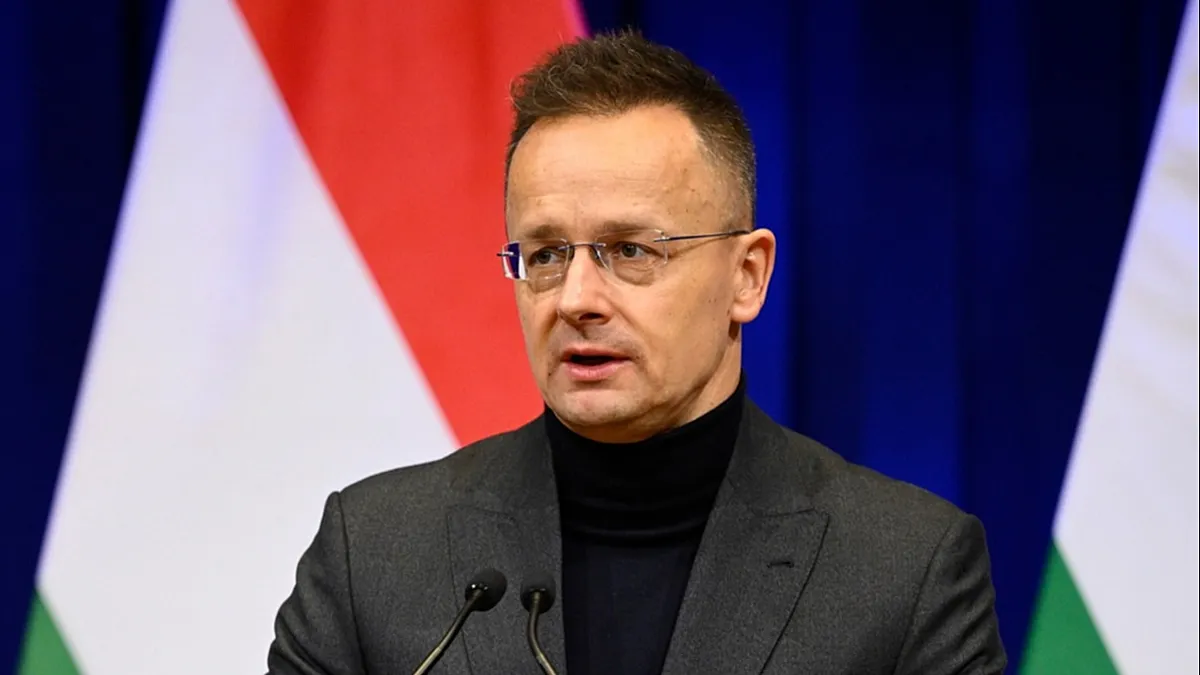
European Commission attempts to spur EU defence teamwork with five new major projects
European Commission Spur EU Defense Teamwork with Five Major Projects European Commission attempts to spur EU defence - The European Commission has taken a

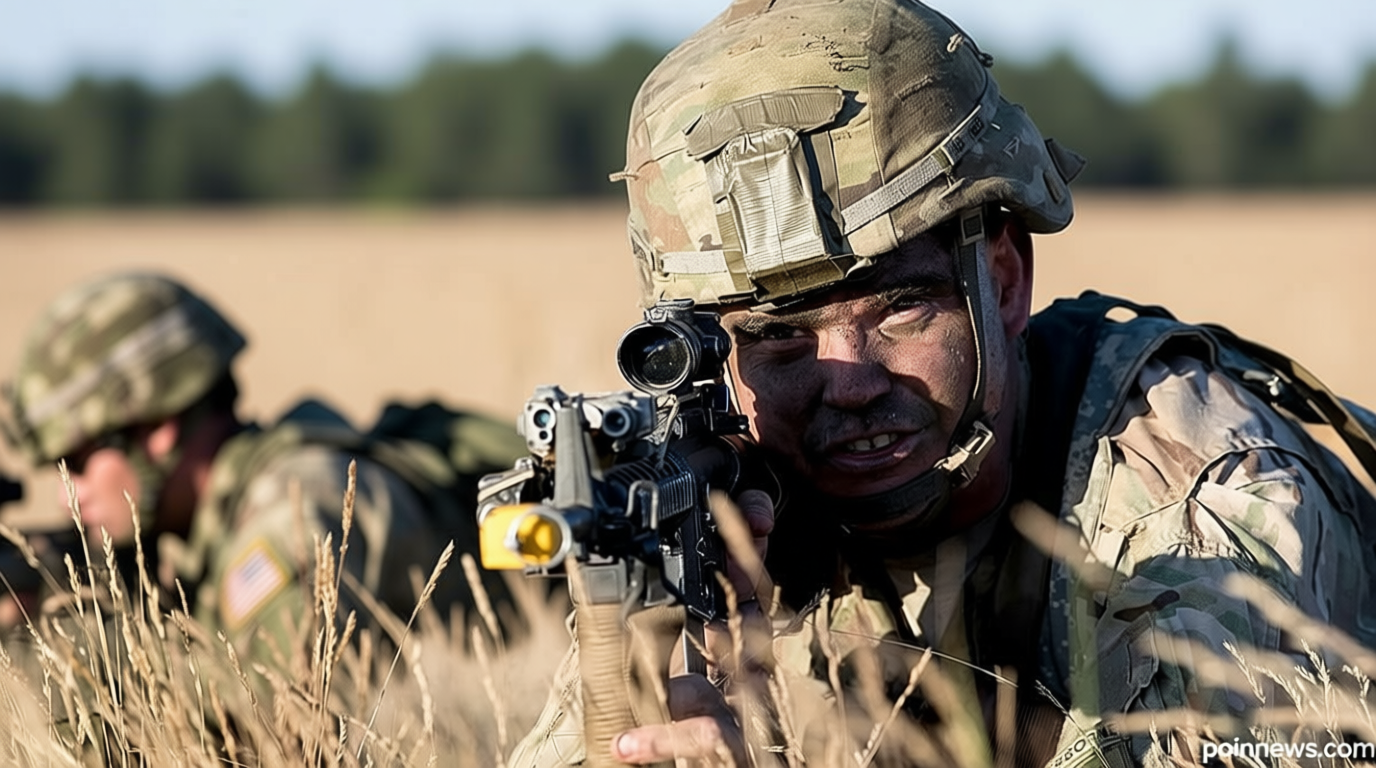
European Commission Spur EU Defense Teamwork with Five Major Projects
Poinews.com – The European Commission has taken a significant step toward strengthening unity among member states by launching five major defense initiatives. These projects aim to foster collaboration and enhance the collective security of the European Union. By focusing on areas like drone technology, maritime protection, space capabilities, airpower, and missile defense systems, the Commission hopes to create a more integrated and resilient defense framework. This move comes as Europe faces growing security challenges, particularly along its eastern borders, where tensions have escalated in recent years.
Financial Commitments and Member Participation
The initiative is backed by substantial financial support, with the Commission allocating 325 million euros to kickstart the development and implementation of these programs. Eighteen EU countries are participating in all five projects, while Ukraine is involved in four of them, reflecting the bloc’s growing commitment to include non-EU partners in defense efforts. The funding highlights Europe’s dedication to pooling resources, even as individual nations continue to prioritize their own military spending. This financial injection is intended to drive innovation and reduce the reliance on external suppliers, a key goal in the context of global geopolitical shifts.
Overcoming Procurement Fragmentation
Collaborative procurement has long been a hurdle for the EU’s defense ambitions, with national strategies often taking precedence over joint efforts. A recent report by the European Defence Agency (EDA) revealed that only 24% of defense spending in 2025 was allocated to joint procurement, underscoring the uneven distribution of resources. The EDA emphasized that fragmented investment cycles hinder the development of unified capabilities and shared infrastructure. However, the five new projects are designed to address these challenges by creating standardized frameworks for procurement and ensuring that member states align their defense priorities with the broader European strategy.
Despite this progress, the EDA noted that national decision-making remains a bottleneck. “Collaborative procurement remains unevenly distributed,” the report stated, highlighting the need for synchronized efforts to maximize joint investment and strategic alignment. The Commission’s push for integrated projects seeks to bridge this gap by encouraging long-term planning and cross-border cooperation. This approach is particularly important in light of rising threats and the need for a cohesive defense posture across the continent.
Strategic Priorities and Project Details
Each of the five major projects is tailored to address specific security needs while promoting teamwork. For instance, the drone technology initiative aims to develop advanced surveillance and combat systems that can be shared among member states. Maritime protection efforts will focus on enhancing the EU’s ability to secure its coastal waters and protect trade routes. In space capabilities, the Commission plans to strengthen Europe’s independent satellite networks to support both civilian and military operations. Airpower and missile defense systems are also part of the plan, with the goal of creating a unified command structure and common defense protocols. These projects are expected to form the backbone of the EU’s strategic autonomy in defense matters.
One of the key challenges in implementing these projects is ensuring that all member states contribute equitably. The Commission has emphasized the importance of balancing national interests with collective goals, particularly in light of recent disputes that have delayed progress. For example, the Franco-German Future Combat Air System program faced setbacks due to disagreements between Dassault and Airbus, but the European Investment Bank’s Nadia Calviño has pledged continued support for such endeavors. This highlights the Commission’s commitment to overcoming obstacles and maintaining momentum in defense collaboration.
Geopolitical Context and Future Outlook
The timing of the Commission’s announcement aligns with the upcoming NATO summit in Ankara, Turkey, where leaders will discuss how to achieve the 3.5% GDP defense spending target by 2035. This target, championed by former U.S. President Donald Trump, has become a central point of debate among European allies. The EU’s initiatives are seen as a complementary effort to NATO’s goals, aiming to bolster Europe’s self-reliance in critical defense sectors. By investing in these projects, the Commission seeks to reduce the EU’s dependence on external defense providers and create a more robust, self-sufficient security infrastructure.
European Commission attempts to spur EU defence teamwork through these projects, which are expected to have a transformative impact on the bloc’s military capabilities. The long-term ambition of around 190 billion euros in funding by 2036 underscores the scale of the endeavor. This financial commitment will enable the EU to develop cutting-edge technologies, train personnel, and establish common defense standards. As the projects progress, they are anticipated to serve as a foundation for future collaboration, ensuring that Europe remains prepared to address emerging security threats both internally and externally.