20,000 protest against AfD party conference in Germany
20 000 protest against AfD party: 0 000 protest against AfD party - Over 20,000 demonstrators took to the streets of Erfurt, Germany, on Saturday to voice

20,000 Protest Against AfD Party Conference in Germany
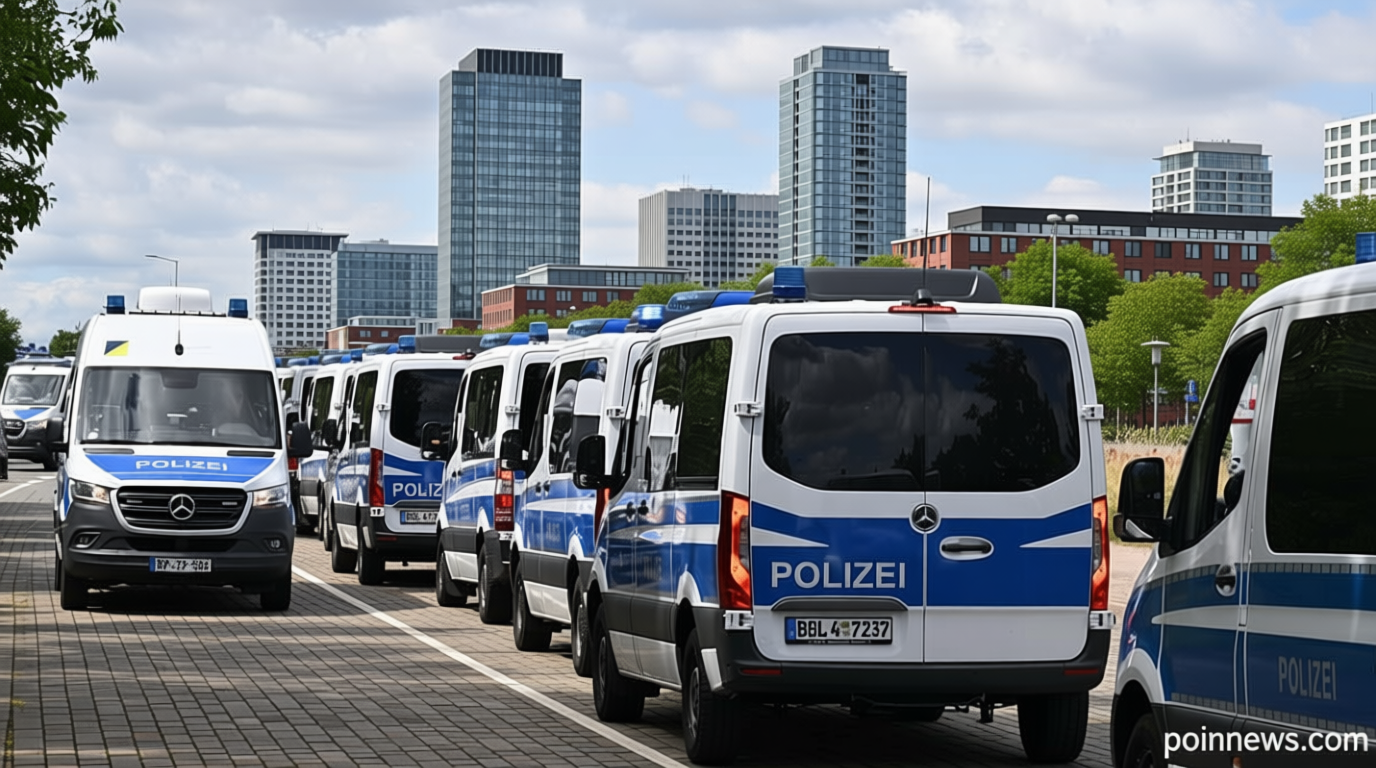
Poinews.com – Over 20,000 demonstrators took to the streets of Erfurt, Germany, on Saturday to voice their opposition to the Alternative for Germany (AfD) party’s annual conference. The massive protest, led by antifascist and leftist groups, aimed to challenge the far-right party’s growing influence and its platform of strict immigration policies and Euroscepticism. Attendees flooded the city center, blocking roads and disrupting public transportation as they marched toward the venue hosting the AfD gathering. Despite the chaotic scenes, the conference continued as scheduled, with authorities describing the protest as a “legitimate expression of public concern.” This event underscored the heightened political tensions in Germany, where the AfD has become a focal point for debates on national identity, migration, and the future of European unity.
Protesters’ Demands and Political Context
Organized by the antifascist coalition Widersetzen, the protest centered on demands for a more inclusive and equitable society. Activists called for policies that prioritize social welfare, equal rights for immigrants, and a rejection of the AfD’s hardline stance on border control. “We want a society based on solidarity: equal rights, equal security, the right to residence and social security for all,” emphasized Noa Sander, a spokesperson for the coalition. The demonstration was not only a response to the AfD’s agenda but also a broader effort to counter the party’s influence in local elections and national politics. With the AfD gaining momentum in recent months, this protest highlighted the urgency of mobilizing opposition to its growing presence in German society.
The AfD’s conference in Erfurt was seen as a critical moment to strengthen its position ahead of regional elections in Saxony-Anhalt and Mecklenburg-Vorpommern. The party, which has long positioned itself as a defender of German national interests, attracted thousands of supporters who gathered to endorse its vision for the country’s future. However, the event also drew a significant counter-protest, reflecting the deepening divide over issues such as immigration and the role of the European Union in domestic affairs. The size of the demonstration, surpassing previous anti-AfD rallies, signaled a widespread concern about the party’s policies and their potential impact on the nation’s social fabric.
AfD’s Policy Priorities and Political Strategy
The AfD’s core policies include a strict immigration control framework, which they argue is necessary to protect Germany’s cultural identity and economic stability. The party has consistently criticized the European Union’s open-border policies, particularly in light of the large influx of migrants from the Middle East and Africa. Additionally, the AfD has taken a firm stance against Berlin’s support for Ukraine in the ongoing war with Russia, framing this as an example of misguided foreign policy that strains national resources. These positions have resonated with certain segments of the population, especially those feeling marginalized by globalization and the rising costs of living. The party’s ability to attract such support has raised questions about its long-term viability in a country historically divided on immigration and EU integration.
Amid the protest, the AfD’s leadership reiterated their commitment to advancing their agenda. Co-leaders Tino Chrupalla and Alice Weidel, both seasoned politicians, took turns addressing the conference attendees, emphasizing the importance of Germany’s sovereignty and the need for a strong national defense. Their speeches were met with a mix of applause and jeers from the crowd, with some protesters chanting slogans like “AfD out!” and “No to racism!” The conference also featured discussions on the party’s plans for future campaigns, including a push for a more nationalistic approach to governance and a stronger emphasis on German cultural values. This focus on identity politics has been a cornerstone of the AfD’s strategy, particularly in regions where traditional parties have struggled to connect with voters.
The demonstration in Erfurt marked a pivotal moment in Germany’s political landscape, as it brought together a diverse array of activists, students, and citizens from across the country. Many participants expressed frustration over the AfD’s increasing presence in local elections and its potential to shift the national political balance. “We’re not just protesting against AfD—we’re defending the values that unite us as a society,” said one attendee, a teacher from Berlin. The protest also drew international attention, with observers noting its significance in the broader context of European far-right movements. As the AfD continues to grow, such events will likely play a key role in shaping public perception and determining the party’s influence in upcoming elections.