NATO’s drone problem: Can European industry close the gap?
NATO's Drone Problem: Can European Industry Fill the Gap? NATO s drone problem - NATO faces a pressing challenge as the drone problem intensifies across the

NATO’s Drone Problem: Can European Industry Fill the Gap?
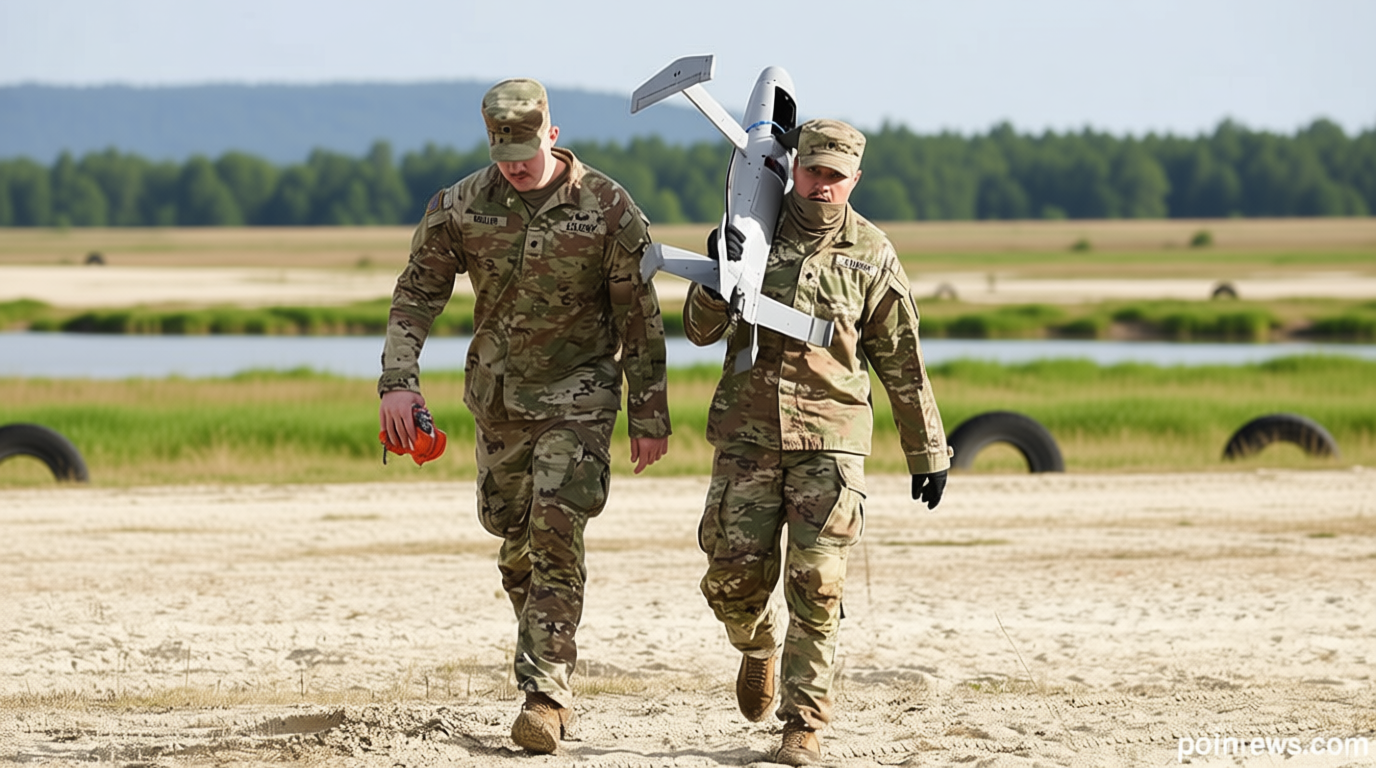
Poinews.com – NATO faces a pressing challenge as the drone problem intensifies across the alliance. With unmanned aerial systems becoming increasingly sophisticated and widespread, the need for effective countermeasures has never been more urgent. This week’s second AIRCOM Industry Day at Germany’s Ramstein Air Base underscored the growing collaboration between European defense firms and NATO officials to address the issue. The event highlighted how the alliance is seeking industry partnerships to develop more cost-effective and versatile solutions to combat the rising threat of drones.
The Escalating Threat of Unmanned Aerial Systems
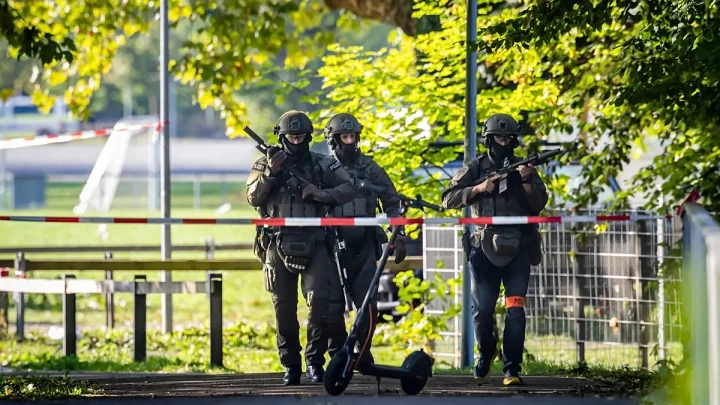
Recent incidents have brought the drone problem to the forefront of NATO’s strategic concerns. A drone crash in Romania, a violation of Lithuanian airspace, and the temporary shutdown of Munich Airport due to a suspected drone sighting all demonstrate the vulnerability of current defense systems. These events reveal that drones are no longer just a tactical tool but a critical challenge for NATO’s operational readiness. As drone technology evolves, so must the alliance’s ability to detect, track, and neutralize these threats.
The drone problem is compounded by the cost disparity between drones and the systems designed to counter them. While a single drone can cost less than €100,000, intercepting it may require a fighter jet to spend over €85,000 on a single mission. This financial gap has forced NATO to reconsider its procurement strategies. “The key is to align with industry to meet these evolving demands,” said Lieutenant General Guillaume Thomas, Deputy Commander of the Allied Air Command, emphasizing the need for rapid innovation and scalable solutions.
European Innovation in the Face of the Drone Problem
Industry experts at the event stressed that Europe must accelerate its development of counter-drone technologies to reduce dependence on external suppliers. Steffen Bott, the project manager for this year’s AIRCOM Industry Day, noted that while traditional procurement processes are reliable, they often lag behind the pace of technological change. “The drone problem demands faster decision-making and greater investment in research,” he explained. “This is not just about building better systems—it’s about building them sooner.”
“Drones have transformed the battlefield into a mass environment,” remarked Dr. Ulrike Franke, a senior policy fellow at the European Council on Foreign Relations. “This forces the alliance to prioritize affordability and volume over expensive, one-off solutions.” She added that close collaboration with Ukrainian forces is essential for understanding how the drone problem manifests in real-world scenarios.
Ukraine’s experience with drones has provided valuable insights into the challenges Europe must overcome. Senior Lieutenant Oleksandr Vorobiov, known as “Zhan” and deputy chief of air defense for the 3rd Army Corps, explained that current radar systems struggle to reliably track small drones. “Weather radars and jet systems weren’t built for this,” he said. “If a drone disappears from radar for ten seconds, operators must take manual control. That’s the biggest weakness in our defenses.”
Strategies for Overcoming the Drone Problem
To tackle the drone problem, European industry is exploring a range of innovations, from advanced radar systems to specialized interceptor drones and cost-effective missiles. Companies like MBDA and Aselsan have demonstrated cutting-edge solutions designed to combat mass drone attacks, as seen in Ukraine and the Middle East. These systems aim to provide NATO with a more affordable and scalable defense against unmanned threats.
One promising approach involves the development of lighter, more agile counter-drone systems. For instance, MBDA’s recent presentation highlighted its counter-drone missile as a critical tool for neutralizing drone swarms. Meanwhile, firms like Hensoldt and Alta Ares are working on radar technologies tailored to detect smaller drones, which are often harder to track with traditional systems. These advancements are crucial for ensuring that Europe can maintain its strategic autonomy in the face of the drone problem.
The Road Ahead: Bridging the Gap
Despite progress, the drone problem remains a complex issue requiring sustained effort. Industry leaders and NATO officials agree that collaboration is key to closing the gap between Europe’s capabilities and the demands of modern warfare. By integrating feedback from frontline operators and leveraging the expertise of European firms, NATO can develop a more resilient defense against drone threats.
With the war in Ukraine showcasing the importance of drone technology, the drone problem is now a central topic in NATO’s strategic planning. As European countries invest in their defense industries, the goal is to create a robust and independent solution that matches the scale of the challenge. This shift not only addresses immediate operational needs but also ensures long-term security for the alliance.