Forest fire figures in Spain in 2026
Forest Fire Figures in Spain for 2026 Forest fire figures in Spain in 2026 - Spain’s forest fire data in 2026 has sparked debate among environmental analysts

Forest Fire Figures in Spain for 2026
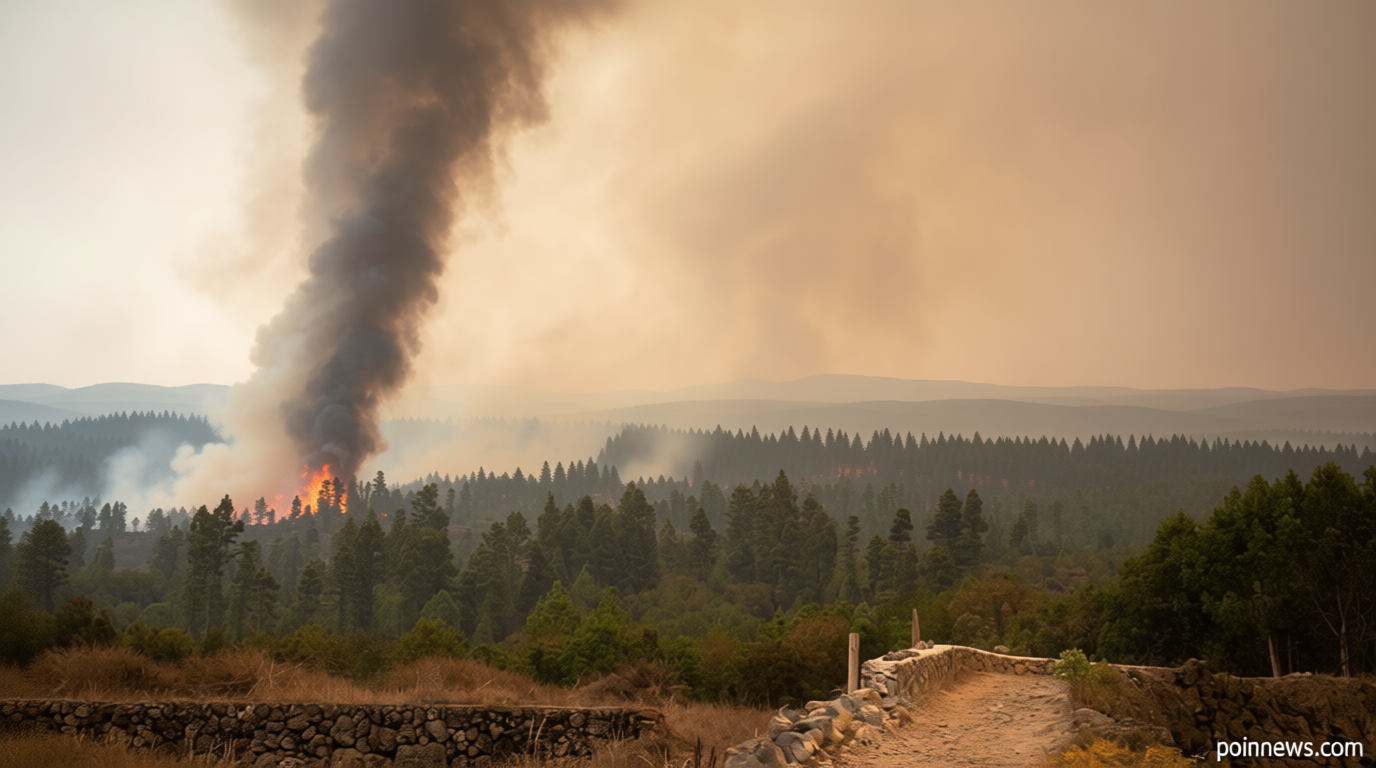
Poinews.com – Spain’s forest fire data in 2026 has sparked debate among environmental analysts, as discrepancies between official reports and independent tracking systems highlight the challenges of accurate measurement. According to the European Forest Fire Information System (EFFIS), approximately 50,000 hectares of land were affected by wildfires by mid-July, with satellite data offering real-time insights into the spread of flames. However, the Ministry for Ecological Transition (Miteco) reported a lower total of 39,700 hectares, based on aggregated figures from regional authorities up to June 21. This disparity underscores the importance of cross-referencing multiple data sources to gain a holistic understanding of Spain’s 2026 forest fire figures.
June: A Record-Breaking Month
June 2026 marked a pivotal moment in the nation’s wildfire season, with 15,900 hectares of forest burned in a single month—a stark contrast to the relatively calm conditions in July. This surge in activity defied historical patterns, where June typically accounted for a significant but manageable portion of annual wildfires. Experts suggest that prolonged heatwaves and erratic rainfall contributed to the unprecedented scale of destruction. Despite the figures, regional authorities in areas like Cantabria and Huesca reported higher-than-usual losses, while regions such as Álava experienced a minimal impact, raising questions about the variability of fire risk across Spain’s diverse geography.
Regional Variations in Burned Areas
The distribution of burned areas in Spain during 2026 revealed stark regional contrasts. Cantabria, a province often considered a lower-risk area, recorded the highest burned land at around 15,500 hectares, surpassing traditional fire hotspots such as Ourense, Zamora, and León. These regions, known for their dense vegetation and steep terrain, typically account for a larger share of annual wildfires. Meanwhile, Álava’s 100 hectares of damage, though modest, still exceeded the average for the season, highlighting how even less-affected areas can experience unexpected outbreaks. The data emphasizes the need for localized fire prevention strategies, as the patterns observed in 2026 challenge conventional assumptions about fire-prone zones in Spain.
Major Fires and Historical Context
Spain’s 2026 forest fire figures include 14 major incidents, defined as blazes exceeding 500 hectares, which occurred in locations such as the Costa Brava, San Bartolomé de la Torre, and Villanueva de los Castillejos. These fires added to a cumulative total of 353 major blazes recorded in the country during this century, representing a small but impactful fraction of total wildfires. The 2026 figures place Spain within the broader context of European Union fire statistics, where a total of 130,400 hectares were burned by mid-July—a 16% increase compared to typical levels for this period.
While the numbers may seem alarming, they reflect a complex interplay of climate conditions, human activity, and natural factors. The rise in major fires during 2026 suggests a trend toward more intense blazes, which could reshape Spain’s approach to fire management in the years to come.
Factors Influencing the Fire Season
Spain’s 2026 forest fire figures are influenced by a combination of climatic and anthropogenic factors. Drought conditions, prolonged high temperatures, and strong winds have created ideal conditions for wildfires to ignite and spread rapidly. Additionally, the increase in human activity, such as agricultural burning and accidental fires, has contributed to the frequency of outbreaks. The Ministry for Ecological Transition (Miteco) has emphasized the need for improved early warning systems and community engagement to address these challenges. By integrating data from EFFIS and regional reports, Spain aims to refine its strategies and better align with the 2026 forest fire figures that now define its environmental challenges.
Looking Ahead to July and August
As the summer progresses, Spain’s 2026 forest fire figures will be further shaped by the months of July and August, historically the most volatile periods for wildfires. Analysts predict that the trend of increased destruction may continue, driven by the persistent heat and dryness that have characterized the season so far. However, there is also the possibility of a shift, with some regions experiencing a brief respite before facing renewed fire activity. The upcoming data will be crucial in determining whether the 2026 forest fire figures represent a new normal or a temporary anomaly. With the year still in progress, the final tally will provide valuable insights into Spain’s evolving relationship with wildfires.