European leaders to meet Zelenskyy at Downing Street as pressure mounts on Russia
European Leaders to Meet Zelenskyy at Downing Street as Pressure Mounts on Russia High-Level Summit to Address Ukraine-Russia Tensions European leaders to

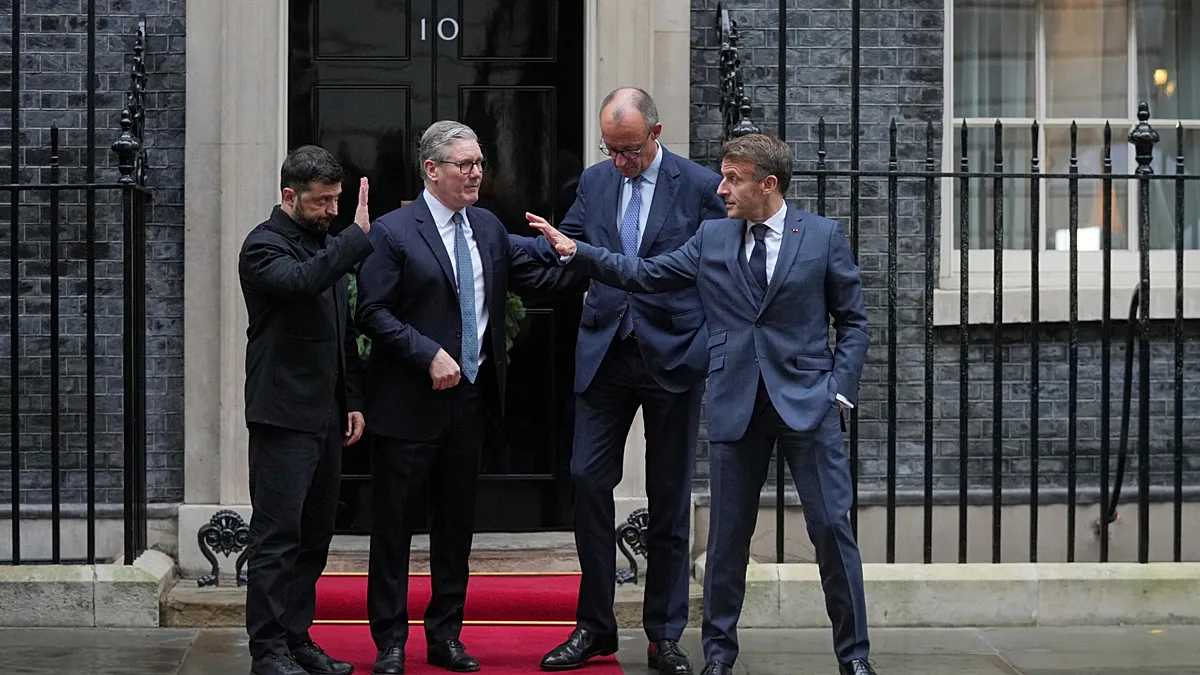
European Leaders to Meet Zelenskyy at Downing Street as Pressure Mounts on Russia
High-Level Summit to Address Ukraine-Russia Tensions
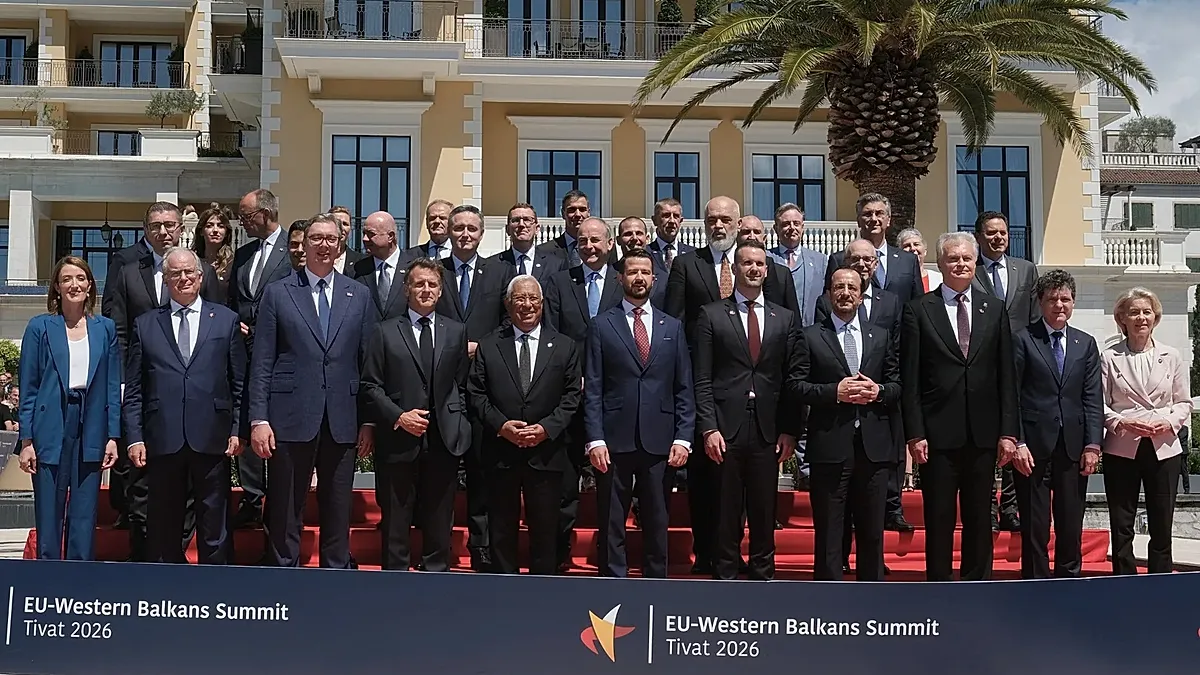
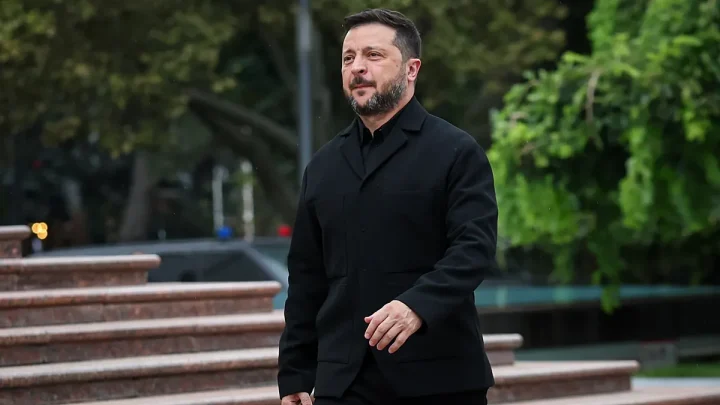
Poinews.com – European leaders are set to hold a high-level meeting with Ukrainian President Volodymyr Zelenskyy at Downing Street in London, signaling a renewed diplomatic push to counter Russia’s ongoing aggression. The summit, scheduled for later this week, will bring together key figures such as French President Emmanuel Macron, German Chancellor Friedrich Merz, and UK Prime Minister Keir Starmer to discuss strategies for supporting Ukraine and escalating pressure on Moscow. This comes amid intensified military operations in eastern Ukraine, where recent attacks have raised concerns about the war’s trajectory and its global economic repercussions.
As the focus keyword “European leaders to meet Zelenskyy” underscores the central theme, the gathering aims to solidify European unity in backing Kyiv’s defense efforts. Analysts suggest that the meeting will prioritize reinforcing sanctions on Russia, coordinating military aid, and exploring diplomatic pathways to end the conflict. Zelenskyy’s participation highlights the urgency of the situation, as the war enters its fifth year and the geopolitical stakes continue to rise. The summit is expected to address not only military developments but also the broader implications for international relations and energy security.
Drone Attack on St. Petersburg Sparks Controversy
Just days before the European summit, Ukraine executed a significant drone strike on St. Petersburg, a move that has intensified scrutiny on Russia’s military capabilities and strategic objectives. The attack, which targeted critical infrastructure, demonstrated Kyiv’s growing technological edge in the war. Zelenskyy has since accused Russia of deliberately attacking a nuclear facility, emphasizing the potential for catastrophic consequences. He argued that the strike did not result in abnormal radiation levels, though the incident has sparked debates over the legitimacy of Russia’s claims regarding the attack’s impact.
“Russia’s actions show an increasing level of aggression, which has already gone beyond acceptable limits. Our first responders successfully contained the situation at the nuclear site, proving that Ukraine is capable of defending its own interests and those of its allies,” Zelenskyy stated in a recent statement. The attack, which followed a series of similar strikes on Russian cities, underscores the evolving nature of the conflict and the need for coordinated international responses. European diplomats are expected to use this moment to reinforce their stance against Moscow’s territorial expansion and war tactics.
The Ukrainian Air Force reported that over 230 drones were launched overnight, with 215 intercepted or neutralized. Of the remaining 17, 13 reached their intended targets, while debris from intercepted UAVs caused damage in nine additional locations. The strikes hit regions like Chernihiv, where a Russian Gerbera drone struck a petrol station in Koriukivka, injuring an elderly woman. Other areas, including Snovsk and Horodnia, faced attacks, with a tractor also catching fire in the morning. These events have been used by Zelenskyy to highlight Ukraine’s resilience and the necessity of continued Western support.
European Economic Measures and Strategic Alliances
As pressure on Russia intensifies, European nations are doubling down on economic measures designed to weaken Moscow’s war machine. Sanctions targeting Russian energy exports, finance, and defense sectors have already disrupted trade flows and strained the Russian economy. The upcoming meeting with Zelenskyy is expected to focus on expanding these sanctions and ensuring a unified approach to counter Russian economic influence. European leaders will also discuss the role of strategic alliances, such as the Nord Stream 2 pipeline and energy dependencies, in shaping the continent’s energy security.
The summit will emphasize the importance of sustained military and financial assistance to Ukraine, with discussions likely to cover the next phase of the war. Zelenskyy has been a vocal advocate for European unity, stressing that fragmented support could jeopardize Kyiv’s ability to hold the front lines. European representatives are anticipated to outline commitments to funding Ukraine’s defense budget, modernizing its military equipment, and enhancing logistical support. The meeting also presents an opportunity to address the broader implications of the war, including its impact on global supply chains and energy markets.
Geopolitical Implications and Long-Term Strategies
The decision for European leaders to meet Zelenskyy at Downing Street reflects a broader shift in the geopolitical landscape of the war. With Russia facing mounting economic and political pressure, the summit aims to align European nations on long-term strategies to ensure Ukraine’s victory. Analysts suggest that the meeting could lead to increased coordination in NATO’s eastern flank, as well as discussions on potential military operations in Russian territory. Zelenskyy’s presence in London underscores his efforts to position Ukraine as a key player in shaping the region’s future.
“The European leaders’ willingness to meet with me at Downing Street is a clear sign that they recognize the gravity of the situation. This is not just about Ukraine’s survival—it’s about the future of Europe itself,” Zelenskyy said in an interview. The summit will also explore the possibility of expanding Ukraine’s role in international organizations, such as the United Nations, to gain further political leverage. As the war continues to test the resolve of Western allies, the meeting is seen as a critical step in maintaining solidarity and advancing a unified front against Russian aggression.
Meanwhile, the Russian economy has been grappling with severe challenges, including inflation, currency depreciation, and reduced oil prices. These factors, combined with the ongoing war, have led to growing internal dissent and economic uncertainty. European leaders are expected to use the meeting to address these issues, emphasizing the need for sustained economic pressure to force Russia into negotiations. The summit will also highlight the importance of international cooperation in mitigating the long-term effects of the conflict on global stability and trade.