Zelenskyy and Putin hold Fourth of July phone calls with Trump
Zelenskyy and Putin Hold Fourth of July Phone Calls with Trump Zelenskyy and Putin hold Fourth of July - As the United States celebrated its Fourth of July, a

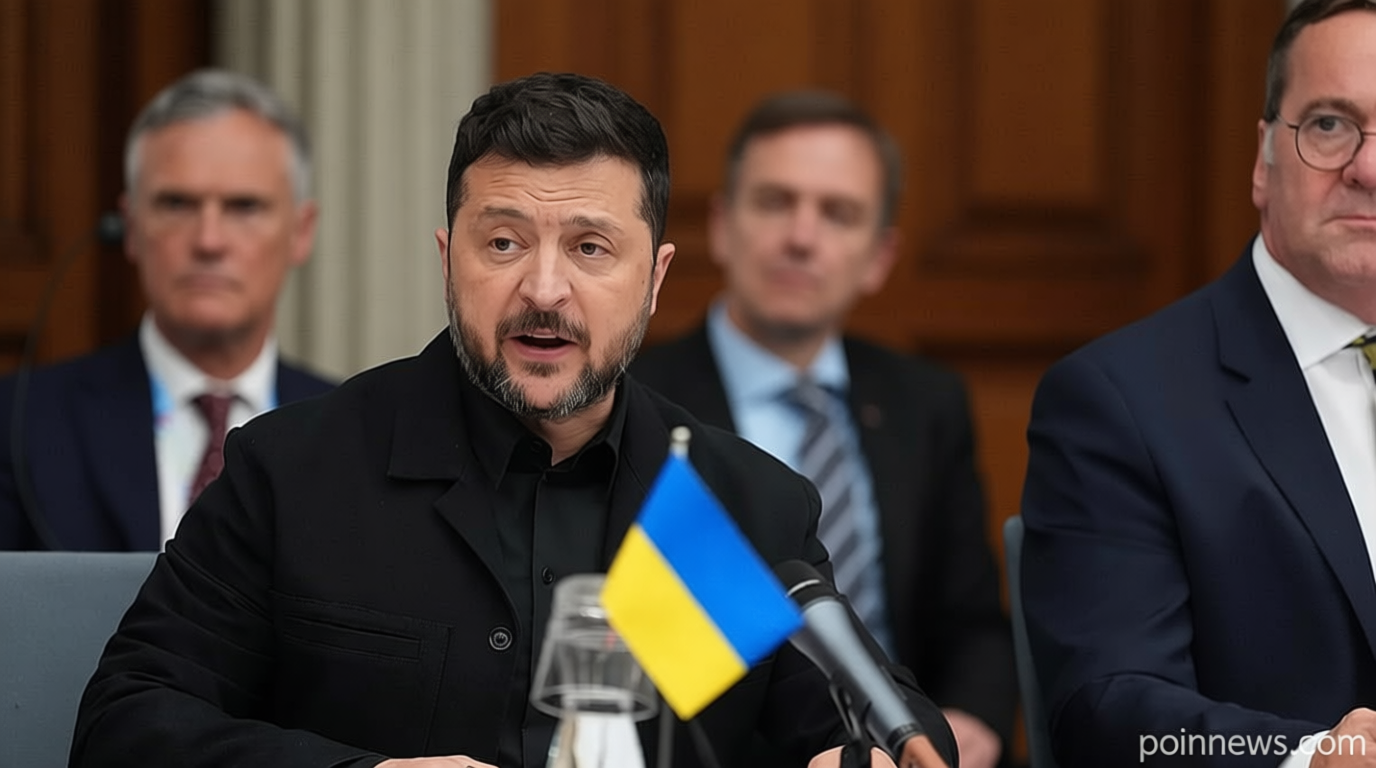
Zelenskyy and Putin Hold Fourth of July Phone Calls with Trump
Poinews.com – As the United States celebrated its Fourth of July, a pivotal moment in global diplomacy unfolded when Ukrainian President Volodymyr Zelenskyy and Russian President Vladimir Putin engaged in direct phone conversations with former President Donald Trump. This exchange, occurring amid escalating military tensions between Russia and Ukraine, marked a significant step in the ongoing dialogue between the two leaders and the former U.S. administration. The calls were confirmed by both Kyiv and Moscow, highlighting the strategic importance of the date in shaping international relations and the war effort.
The Strategic Context of the Fourth of July Conversations
The Fourth of July calls were seen as a calculated move to align Trump’s diplomatic influence with the pressing needs of the conflict. With the war in Ukraine entering its third year, both Zelenskyy and Putin sought to leverage Trump’s unique position as a former U.S. leader to advance their respective agendas. Zelenskyy, emphasizing Ukraine’s resilience, noted the conversations were focused on stabilizing the front lines and securing long-term support from the United States. Meanwhile, Putin underscored the importance of dialogue to address the war’s broader geopolitical implications, including the role of NATO and U.S. involvement in Eastern Europe.
“The Presidents naturally touched upon the issue of the Ukrainian settlement, including in light of Donald Trump’s forthcoming participation in the NATO summit in Turkey on 7–8 July,” said Yuri Ushakov, a presidential aide. The quote highlights the interconnected nature of the talks, where Trump’s role as a mediator was expected to play a critical part in shaping the future of the conflict. The calls also came just days after a major Russian attack on Kyiv, which intensified the urgency for strategic discussions between the leaders and the former U.S. president.
Throughout the conversation, Zelenskyy expressed gratitude for Trump’s acknowledgment of Ukraine’s sacrifices, framing the dialogue as a means to strengthen American backing for Kyiv. He reiterated the country’s commitment to defending its sovereignty and reiterated the importance of a resolution that would ensure long-term security. In contrast, Putin focused on the need for a compromise that would allow Russia to consolidate its gains while avoiding further escalation. The Fourth of July calls thus served as a platform for both leaders to present their perspectives, with Trump acting as a bridge between the two nations.
Implications for the NATO Summit and Regional Stability
The timing of the Fourth of July calls coincided with the NATO summit in Ankara, where Trump was set to participate as a guest speaker. This provided an opportunity for Zelenskyy and Putin to align their messages with the broader agenda of the summit, which included discussions on defense spending, military cooperation, and the evolving security landscape in Europe. The Kremlin confirmed that Putin’s 1 hour and 25-minute conversation with Trump covered the same topics, with both leaders agreeing to pursue a diplomatic path that would reflect their mutual interests.
Recent strikes by Ukrainian forces on oil facilities near Saint Petersburg had raised concerns about the potential for further economic pressure on Russia, prompting the leaders to address the issue during the Fourth of July exchange. Zelenskyy highlighted the need for continued support in the face of such attacks, while Putin emphasized the importance of maintaining a balance between military action and diplomatic engagement. The call underscored the ongoing efforts to manage the war’s impact on both sides, with Trump’s input expected to influence the summit’s outcomes and the future of NATO’s role in the conflict.
NATO members have long pledged to meet defense spending targets, with a commitment to allocate 5% of GDP to military efforts by 2035. However, Trump has frequently criticized European allies for falling short of these goals, advocating for a more robust and militarized alliance. During the Fourth of July talks, he likely reinforced this stance, pushing for increased U.S. involvement and greater financial commitments from NATO partners. The discussions may also have touched on the potential for a new NATO framework, as proposed by U.S. Secretary of Defence Pete Hegseth in a June briefing in Brussels.
At that briefing, Hegseth outlined plans for “NATO 3.0,” a reimagined alliance structure designed to address the challenges of the post-Cold War era. He argued that the current framework needed to evolve into a more unified military force capable of responding swiftly to emerging threats. The Fourth of July calls with Zelenskyy and Putin could have been a part of this strategy, with Trump aiming to position himself as a key player in shaping NATO’s future. The conversation may have also explored the possibility of a new security pact that would include both Ukraine and Russia, offering a potential pathway to peace.