At least 19 killed and more than 100 wounded in Sri Lanka prison riot, officials say
ver 100 Injured in Sri Lanka Prison Riot At least 19 killed and more - At least 19 people were killed and more than 100 injured during a violent prison riot

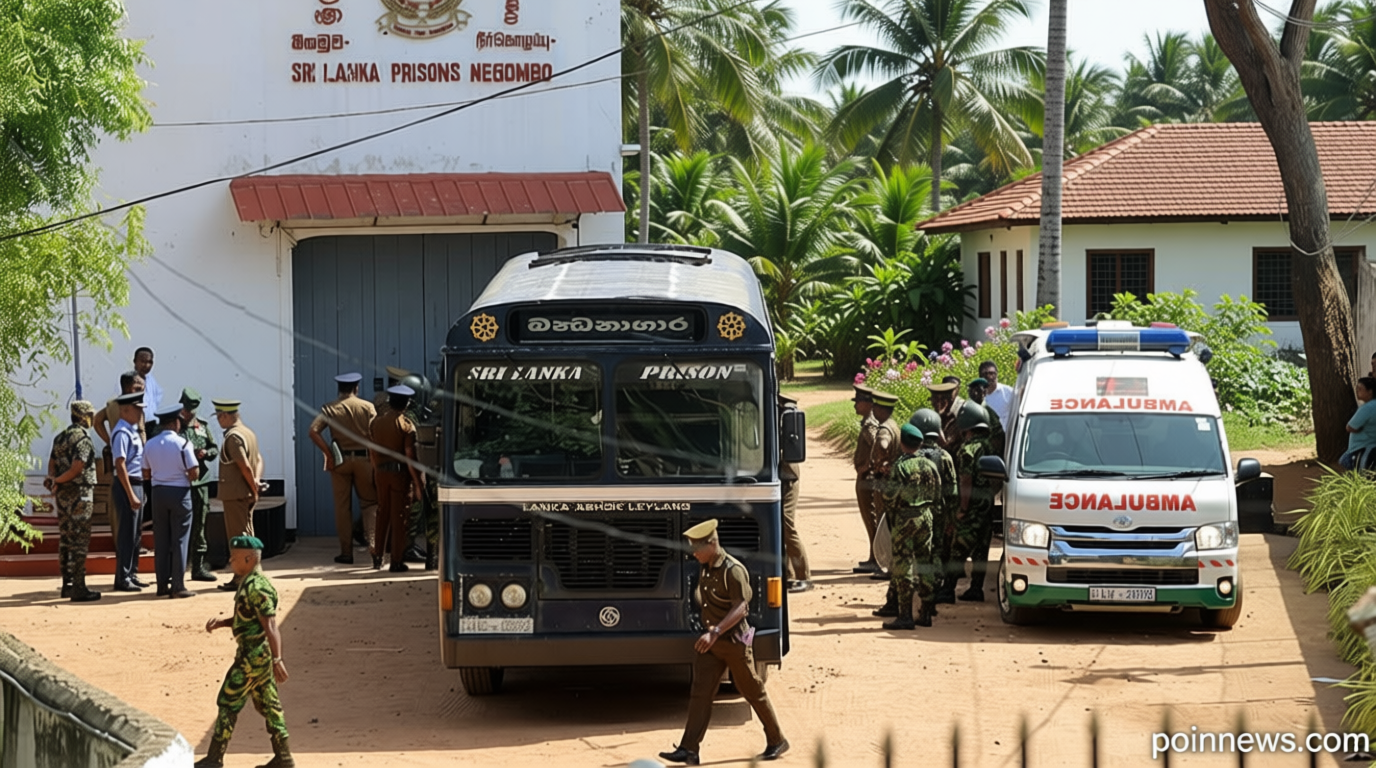
Table of Contents
19 Killed, Over 100 Injured in Sri Lanka Prison Riot
Poinews.com – At least 19 people were killed and more than 100 injured during a violent prison riot in Sri Lanka, according to official reports. The incident, which occurred at the Negombo Correctional Centre, has been described as the worst outbreak of unrest in the country in over five years. The chaos began overnight, as inmates from two rival drug gangs clashed, leading to a deadly escalation that overwhelmed the facility’s staff and security measures.
Escalation of Violence and Casualties
“Some of the casualties sustained gunshot wounds,” said Pushpa Gamlath, the director of a state-run hospital, when speaking to AFP by phone. She confirmed that 19 bodies were brought to her facility, while over 100 inmates and guards were admitted with injuries. The toll underscores the severity of the situation, with officials describing it as the most intense prison disturbance since the early stages of the pandemic.
Residents near the Negombo prison reported hearing gunfire and the sounds of confusion throughout the night. Drones were deployed to monitor the scene in real time, providing critical updates to authorities. The riot, which started on Sunday evening, has raised concerns about the safety of both prisoners and staff, with reports indicating that the facility’s capacity was already strained due to overcrowding.
Government Response and Prisons’ Overcrowding Crisis
In the aftermath of the violence, authorities swiftly deployed police commandos to secure the prison and restore order. Despite initial efforts to contain the outbreak, the situation escalated further, leading to a larger-scale conflict between the two drug factions. Officials have since emphasized the need for improved prison management, citing the overpopulation as a contributing factor to the unrest. As of Sunday, the facility held 41,250 inmates, surpassing its capacity by roughly four times.
Earlier in December 2020, a similar incident at another Sri Lankan prison resulted in 11 deaths and 117 injuries, highlighting a recurring pattern of violence in overcrowded facilities. That event prompted the government to release hundreds of prisoners to alleviate pressure on the system. However, the current crisis suggests that the underlying issues persist, with overcrowding and limited resources creating a volatile environment for inmates.
Investigations and Calls for Reform
The Sri Lankan government has launched an investigation into the causes of the riot, with officials stressing the importance of addressing systemic problems within the prison system. The Negombo Correctional Centre, which accommodates nearly 10,000 detainees, has been a focal point of the inquiry. Reports indicate that tensions between drug gangs had been simmering for weeks, fueled by disputes over food rations, sleeping quarters, and access to medical care.
Authorities have also called for increased funding and resources to improve prison conditions. Families of the victims gathered near the facility on Monday, demanding accountability and transparency. The emotional toll on the community has been significant, with locals expressing shock and grief over the tragic loss of life. Meanwhile, international observers have highlighted the need for long-term reforms to prevent future outbreaks of violence in Sri Lanka’s correctional institutions.
Impact on Prisoners and Staff
The riot has had a profound impact on both inmates and prison staff. Many detainees reported being caught in the crossfire during the clashes, with some describing the violence as relentless. The four guards killed in the incident were among those attempting to mediate between the factions, underscoring the dangers faced by prison personnel. Inmates also expressed frustration over the lack of communication and support from authorities, which they believe exacerbated the conflict.
As the situation stabilizes, efforts are underway to assess the damage and provide medical care to the wounded. Officials have pledged to investigate the circumstances leading to the violence and implement measures to ensure the safety of all prisoners. The incident serves as a stark reminder of the challenges in managing Sri Lanka’s prison population, which has grown significantly in recent years due to increased arrests and limited infrastructure.