‘Skillidays’: Nearly half of European travellers plan to learn a new skill this summer
‘Skillidays’: European Travelers Aim to Acquire New Skills This Summer Skillidays - A new trend dubbed ‘Skillidays’ is gaining momentum across Europe, with

‘Skillidays’: European Travelers Aim to Acquire New Skills This Summer
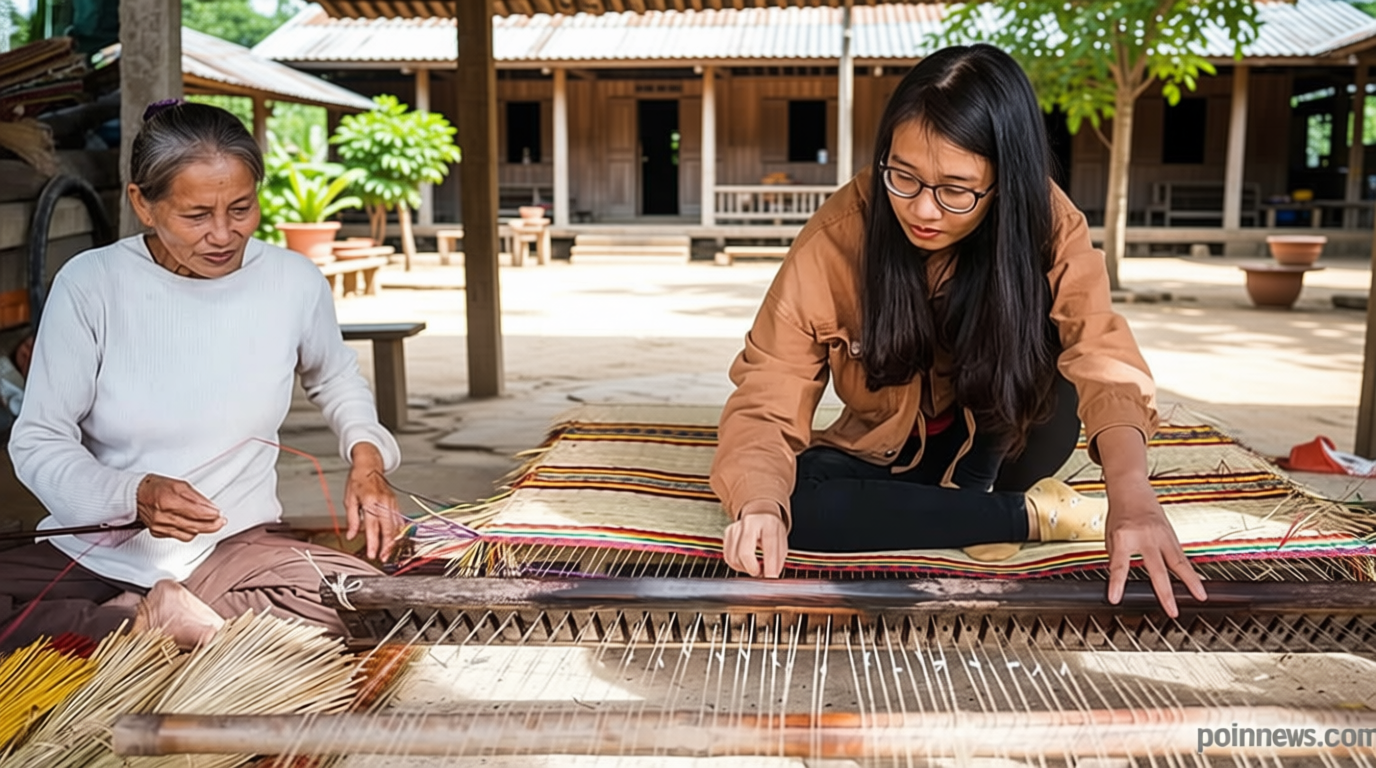
Poinews.com – A new trend dubbed ‘Skillidays’ is gaining momentum across Europe, with nearly half of travelers—48%—planning to learn a new skill during their summer vacations, as revealed by a recent Mastercard survey. This shift reflects a broader movement toward experiential travel, where the emphasis is on personal growth and cultural immersion rather than just sightseeing. Skillidays are not just about having fun; they’re about creating meaningful memories while gaining practical abilities, a concept that is redefining how people approach holidays.
Spending on Skill-Based Experiences Grows
Mastercard’s analysis of over 27,000 holidaymakers in 28 European countries showed a significant increase in willingness to invest in skill-focused travel. According to the survey, 42% of respondents are prepared to spend more on trips that offer hands-on learning opportunities, a clear indication that the demand for educational tourism is rising. This trend underscores a growing preference for authentic experiences, as travelers seek to engage with local communities and traditions in a more profound way. Skillidays are now seen as a way to connect with the places they visit, rather than merely passing through.
“Today’s tourists are looking for travel experiences that leave a lasting impression, helping them to create memories, and increasingly, muscle memories,” said Natalia Lechmanova, chief economist at the Mastercard Economics Institute. “Skillidays represent a new era where learning and leisure are intertwined, offering travelers a unique blend of fun and personal development.”
Gen Z Leads the Skill Learning Movement
Younger generations are at the forefront of this shift, with 57% of 18- to 24-year-olds planning to engage in Skillidays this summer. This enthusiasm is slightly less pronounced among older age groups, but still notable—52% of 24- to 34-year-olds are embracing the idea. The survey also found that 51% of participants believed acquiring skills during travel enhanced their trips’ value, surpassing the appeal of traditional souvenirs. For many, Skillidays are not just a way to pass time but an opportunity to explore the world in a more hands-on and impactful manner.
Country-Specific Interests in Skill-Based Travel
Regional preferences for Skillidays vary widely, highlighting the diversity of interests across Europe. In Serbia, 45% of travelers prioritize language learning, while 41% of Romanians are eager to take culinary classes abroad. Swedish tourists show a strong interest in food production, with 37% planning activities like cheese-making or bread-baking. Meanwhile, Slovenians favor wellness-focused experiences, such as yoga and meditation, with 35% planning to participate. Italians, on the other hand, lean toward traditional crafts, with 31% aiming to learn pottery or woodworking.
Interestingly, Croatians and Serbians share a similar passion for creative arts, with 31% intending to develop skills in photography, painting, or writing. Ukraine stands out for its fitness-centric travelers, with 28% eager to refine athletic abilities during their trips. These regional trends suggest that Skillidays are not a one-size-fits-all concept but rather a flexible approach that adapts to local cultures and interests.
The Rise of Skill-Based Tourism
The rise of Skillidays is reshaping the travel industry, prompting tour operators and local businesses to offer more educational packages. This movement is driven by a desire for unique, memorable experiences that go beyond typical tourist attractions. As travelers seek to engage with destinations in a more meaningful way, they are turning to Skillidays to learn everything from cooking local dishes to practicing traditional dances. The integration of skill development into travel itineraries is also leading to more personalized and interactive holiday options, catering to a wide range of interests and abilities.
Long-Term Benefits for Travelers and Host Communities
Skills acquired during Skillidays can have lasting benefits, both for the individuals and the host communities. Travelers report increased confidence and competence in new areas, which can translate into practical use in their daily lives or even new career opportunities. For host communities, this trend offers a chance to showcase their cultural heritage and expertise to a broader audience. By participating in Skillidays, local artisans, chefs, and instructors gain visibility and income, fostering economic growth and cultural exchange. The survey also noted that 62% of travelers felt their Skillidays experiences had a positive impact on their understanding of the host country, reinforcing the value of these educational trips.
As the Skillidays movement gains traction, it is expected to influence future travel trends significantly. With more travelers seeking immersive and educational experiences, the demand for skill-based tourism is likely to grow, encouraging the development of innovative activities that blend learning with leisure. This shift not only enriches personal journeys but also contributes to a more sustainable and balanced tourism model, where visitors support local economies and preserve cultural traditions. Skillidays are proving to be more than a fleeting trend—they’re a transformative approach to how people engage with the world during their holidays.