Video. Artists create giant sea animals from sand
Artists Create Giant Sea Animals from Sand Artists create giant sea animals - At the 15th annual Festival of Sand Sculptures on the Croatian island of Rab, a

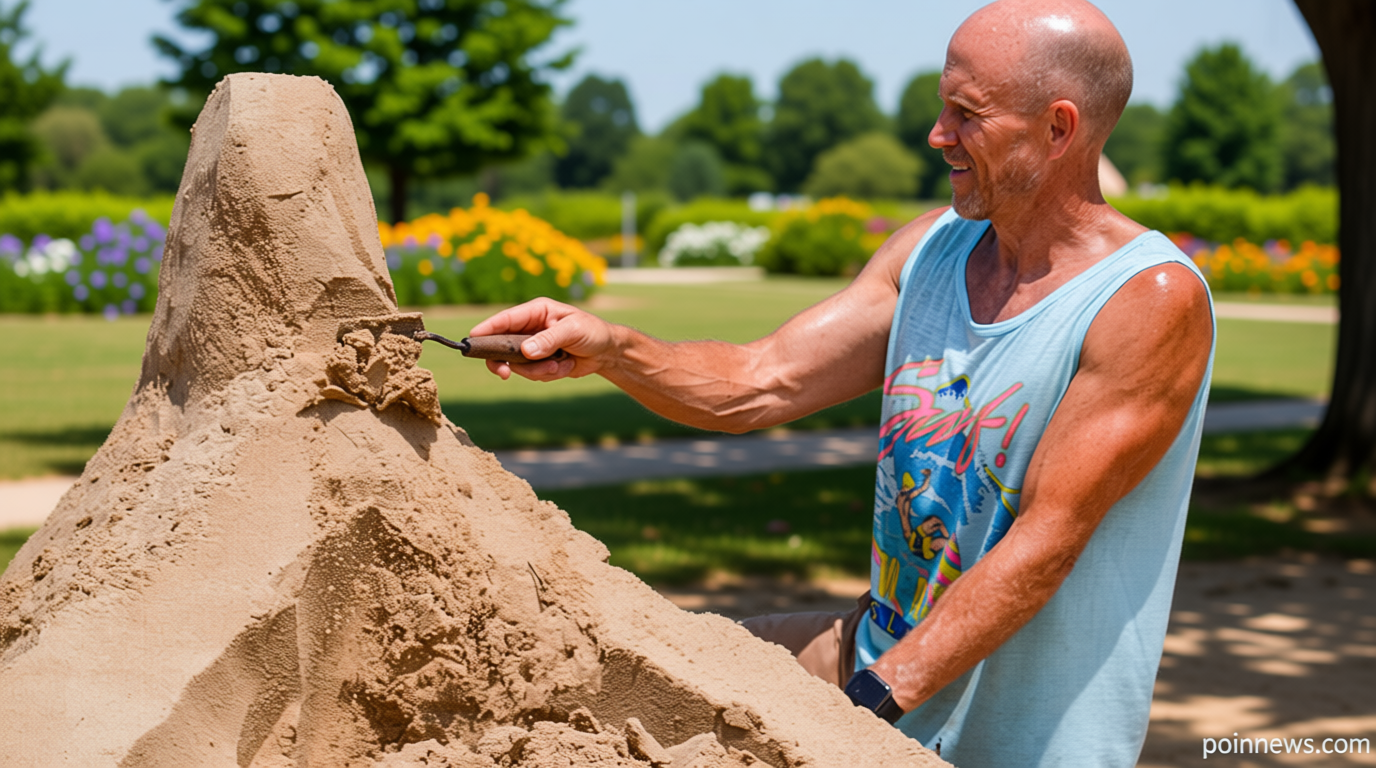
Artists Create Giant Sea Animals from Sand
Poinews.com – At the 15th annual Festival of Sand Sculptures on the Croatian island of Rab, a unique blend of creativity and nature comes to life as artists craft colossal sea creatures from the beach’s natural medium. The focus keyword, “artists create giant sea animals,” is central to the event, which attracts global attention for its breathtaking installations. Over the course of several days, skilled sculptors and collaborative teams transform the shoreline into a temporary gallery of monumental works, including lifelike representations of a monk seal, a sea turtle, and a massive giant squid. These creations, shaped with precision and artistry, are not just visual spectacles but also a testament to the interplay between human imagination and the elements that shape the coastal environment.
The Artistic Process Behind the Sculptures
Creating these giant sea animals from sand is a labor-intensive process that requires both technical skill and an intimate understanding of the material. Sculptors begin by selecting a suitable site on the beach, where the sand’s texture and moisture level provide the ideal foundation for their work. They then use a combination of tools, from simple hand-carving implements to large machinery, to mold the creatures into intricate forms. Each sculpture is a dynamic representation, capturing the essence of movement and fluidity that defines marine life. For instance, the giant squid’s elongated body and undulating tentacles are sculpted to mimic the natural motion of the ocean. The challenge lies in ensuring the structures remain stable against the relentless forces of nature, such as the tide, wind, and sun, while maintaining their artistic integrity.
Artists often collaborate with local experts, including marine biologists and environmentalists, to ensure their creations are not only visually stunning but also scientifically accurate. This synergy between art and science enhances the educational value of the festival, offering visitors a deeper appreciation for marine ecosystems. Additionally, the temporary nature of the sculptures adds to their allure, as they serve as a fleeting reminder of the beauty and fragility of the natural world. The process also involves meticulous planning, with teams working around the clock to complete their masterpieces before the inevitable erosion by the elements. This time-sensitive approach underscores the urgency and dedication required to create such ephemeral works of art.
The Cultural and Environmental Significance
Artists create giant sea animals not only as a form of artistic expression but also as a means of highlighting the environmental importance of Rab’s coastal landscape. The island, known for its pristine beaches and rich biodiversity, becomes a canvas for storytelling and conservation. Each sculpture is designed to reflect the island’s unique connection to the sea, drawing attention to the delicate balance between human activity and marine habitats. For example, the monk seal, an endangered species, is featured prominently to raise awareness about its conservation status and the threats it faces in the wild. This integration of art and ecology fosters a sense of stewardship among the local community and visitors alike, encouraging them to think about the role of nature in their lives.
Moreover, the festival serves as a platform for cultural exchange, bringing together artists from diverse backgrounds who share their techniques and inspirations. This collaborative spirit enriches the creative process, resulting in innovative designs that push the boundaries of traditional sand sculpting. The event also supports local artisans, providing them with opportunities to showcase their talent on a global stage. As the sun sets each day, the sculptures are illuminated, creating a magical atmosphere that draws crowds and inspires awe. The experience of witnessing these giant sea animals rise from the sand is one that leaves a lasting impression, blending the ephemeral with the eternal in a celebration of human creativity and natural wonder.
The impact of the festival extends beyond the immediate visual experience, influencing local tourism and environmental initiatives. Rab’s sandy shores, which serve as the primary setting for the event, attract visitors from around the world, boosting the island’s economy and promoting sustainable tourism practices. In addition to the artistic installations, the festival includes workshops, exhibitions, and educational programs that engage both children and adults in the art of sand sculpting. These activities not only educate but also foster a sense of community, as locals and tourists participate in creating their own small-scale sculptures. The integration of local culture with artistic expression highlights the island’s heritage, making the festival a unique cultural event that celebrates both art and nature.
As the sun rises on the final day of the festival, the giant sea animals stand as temporary monuments to the artists’ vision and the island’s natural beauty. Each sculpture, though destined to be washed away by the tide, represents a moment of connection between human creativity and the ocean’s vastness. The artists who participate in this event often emphasize the importance of capturing the spirit of the sea in their work, using the sand as a medium to reflect the ephemerality of life. This philosophy resonates with visitors, who are reminded of the transient nature of the art and the enduring impact it can have on their perception of the world. Through their dedication and artistry, the creators of these giant sea animals inspire a sense of wonder and respect for the natural environment, making the festival a powerful example of how art can serve as a bridge between humanity and nature.