Could military-age Ukrainian men lose temporary protection status in Germany?
Could Military-Age Ukrainian Men Lose Temporary Protection in Germany? Could military age Ukrainian men lose - Germany's Interior Minister, Alexander

Could Military-Age Ukrainian Men Lose Temporary Protection in Germany?
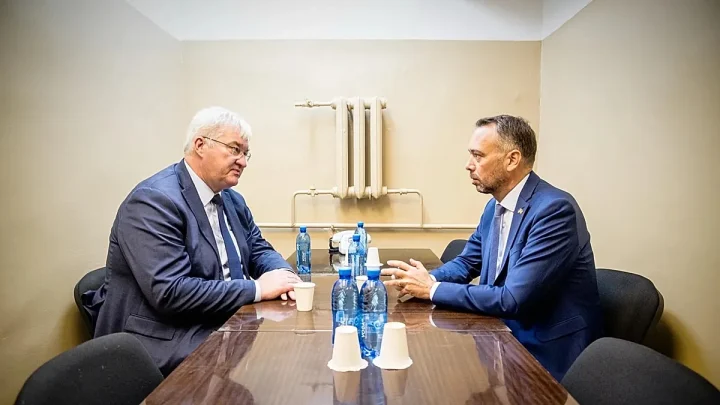
Poinews.com – Germany’s Interior Minister, Alexander Dobrindt, has endorsed a European Commission plan that may revoke automatic temporary protection status for Ukrainian men aged 23 to 60 entering the EU. This measure would be triggered if Ukraine requests it, allowing member states to adjust the policy based on specific needs. Ukraine’s ambassador to Germany, Oleksii Makeiev, shared with Ukrinform that Kyiv and Berlin are exploring methods to prompt conscription-age Ukrainians in the country to return home. When asked about potential deportations for those who left Ukraine without authorization, Makeiev stated:
“I will not disclose the mechanisms at this stage.”
Ukrainian Men’s Status in Germany
According to Germany’s Central Register of Foreign Nationals, over 1.3 million Ukrainians reside in the country, with the majority enjoying temporary protection. Data from the Interior Ministry, released by the German Press Agency (dpa), indicates that as of May 31, 265,804 of these individuals were men within the military age range. Across the EU, the estimated number of such Ukrainians is around 1.15 million.
Personal Accounts from Ukrainian Refugees
Vlad, a 26-year-old whose identity has been altered, recalls the early hours of February 24, 2022, when the war began. His younger brother, who had already fled Ukraine before the invasion, urged him to leave:
“It’s started. You have to leave.”
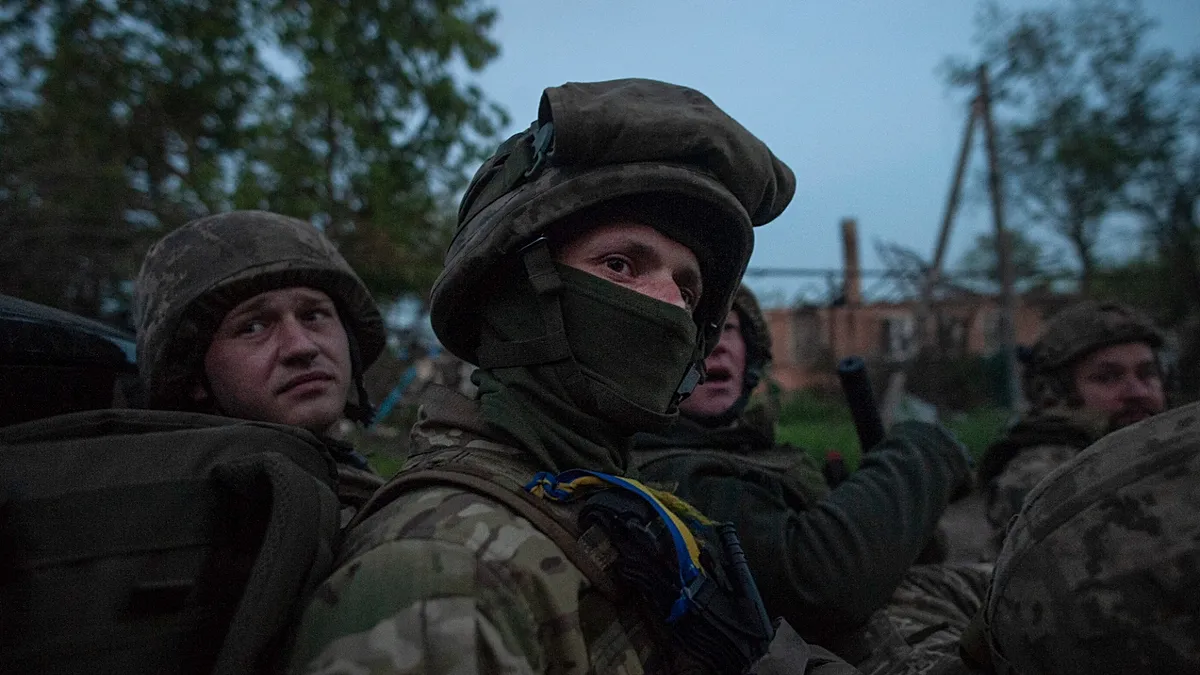
Vlad packed essentials—a laptop, charger, and clothes—into a backpack, heading to the railway station. This was his second escape from Russia, as he was originally from Crimea. He boarded a train to western Ukraine, only to be halted at the next station when President Volodymyr Zelenskyy declared martial law. Since then, men aged 23 to 60 have been restricted from leaving Ukraine without official approval, while those 18 to 22 can now travel freely.
At the border, Vlad was denied passage due to lacking required documents. “I want to support my country, but I can’t hold a weapon,” he said. His Tourette’s syndrome intensified during the war, affecting his daily life. “I couldn’t even drink hot beverages without spilling them on myself,” he recounted. After being assessed by a humanitarian group, he was declared medically unfit for service and eventually crossed into Berlin. However, he felt Germany was still too close to the conflict, so he relocated to Canada.
Germany’s Asylum Process
The Federal Office for Migration and Refugees (BAMF) clarified that asylum claims in Germany will still be evaluated individually. spokesperson Christoph Sander emphasized that the criteria depend on the applicant’s reasons for seeking protection and the risks they face upon return. BAMF applies standards from the Geneva Refugee Convention and EU Qualification Directive, but no one receives automatic status. “Deserters and those opposing the war may qualify if they have a justified fear of persecution,” Sander explained. This could stem from political beliefs or belonging to a specific group, like conscientious objectors.
However, BAMF has not confirmed whether Ukrainian deserters meet these conditions. The decision hinges on each case’s merits, ensuring every application is scrutinized independently.