‘A big joke’: Citizens blame corn, data centres and leaky pipes as water restrictions grip France
Data Centers, and Leaky Pipes A big joke - France’s ongoing water restrictions have led citizens to accuse the government of passing the blame onto corn

A Big Joke: France’s Water Crisis Sparks Blame on Corn, Data Centers, and Leaky Pipes
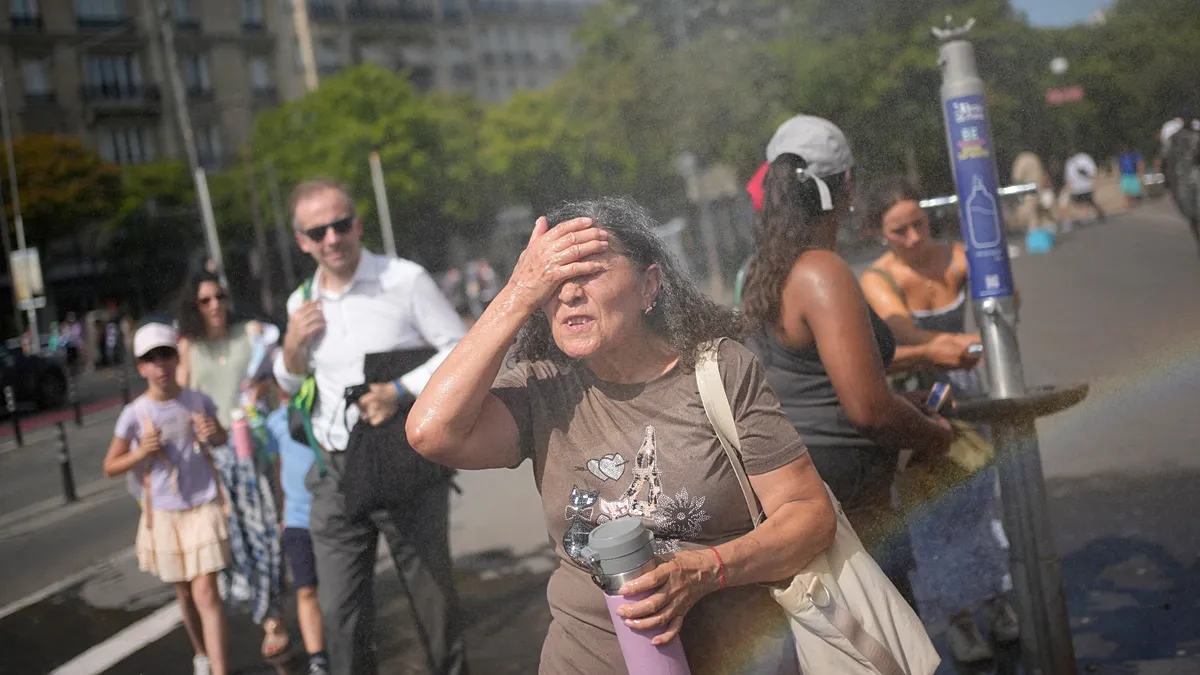
Poinews.com – France’s ongoing water restrictions have led citizens to accuse the government of passing the blame onto corn fields, data centers, and aging infrastructure. With the country grappling through its third heatwave of the year, soaring temperatures have pushed water reserves to their limits, sparking outrage among residents who feel the crisis is being downplayed. “A big joke” has become a rallying cry, as frustrations grow over the perceived lack of action and the focus on minor inconveniences rather than the root causes of the shortage.
As water scarcity worsens, daily restrictions have intensified across 16 departments, which issued orange alerts on Monday, 6 July. These areas, forecast to reach 40°C in parts of southwest France, are now facing stringent limits on tap water use, such as bans on garden watering, vehicle washing, and private pool filling. Social media has become a platform for public discontent, with many arguing that the blame for the crisis is misplaced. “A big joke” is a common refrain, highlighting the belief that the real culprits are overlooked in the scramble to conserve resources.
“It’s time to cut down the hyper-greedy data centers before telling us to restrict ourselves for watering our vegetable gardens,”
remarked Galinette Cendrée, commenting on a Facebook post by weather forecaster La Chaîne Météo. Others echoed similar sentiments, pointing to agricultural practices and outdated infrastructure as major contributors. Fred Lordhebus criticized the system, stating: “A big joke” — farmers still have exemptions to pump water for crops, even when those plants are not suited to the climate, while leaky pipes continue to waste resources unnoticed.
Meanwhile, some citizens advocate for stricter compliance with restrictions. One user urged the community to prioritize conservation, saying: “A big joke” is the current state of affairs, but if everyone reduces their water use, even by a small margin, it could make a meaningful difference.” This divide between critics and supporters reflects the broader debate over how to balance personal needs with environmental demands in a drought-ridden nation.
Climate Change Intensifies Drought Patterns
Scientists warn that climate change is exacerbating the severity and frequency of droughts in France. A rapid-response study by World Weather Attribution found that this summer’s extreme heat would have been “virtually impossible” without global warming. The research highlighted that a similar heatwave in 1976 would have been 3.5°C cooler, underscoring the dramatic rise in heat intensity over the past decades. These findings align with broader trends, as renewable water resources have declined by 14% between 1990-2001 and 2002-2018, compounding the crisis.
Drier, warmer winters and earlier snowmelt have reduced the country’s water storage capacity, while heightened summer evaporation further strains supply. Agricultural demands, domestic consumption, and nuclear power plant cooling requirements are among the key drivers of the depletion. Dr. Micha Werner from IHE Delft’s Water Resources and Ecosystems Department emphasized that the crisis is not just a seasonal event but a sign of deeper systemic challenges. “A big joke” is how some citizens view the government’s response to these long-term trends.
Emergency Measures and Regional Variations
Emergency measures have been introduced to mitigate the effects of the water crisis, but their implementation varies widely across regions. Nuclear reactors along the Seine and Rhone rivers were forced to reduce operations during the June heatwave due to rising water temperatures, illustrating the interconnectedness of climate and energy sectors. These adjustments, combined with faster crop insurance payments and enhanced monitoring of agricultural damage, aim to address the dual pressures of climate-linked extremes and human activities.
As of 1 July, 84 of France’s 96 mainland departments are under some form of tap-water restrictions, with only 12, such as Charente-Maritime and Haute-Corse, remaining unaffected. When agricultural restrictions are considered, 92 departments are impacted. Wildfires have also surged, with over 10,000 people evacuated in southwestern France as blazes fueled by strong winds consumed 4,600 hectares. French Prime Minister Sebastien Lecornu noted 7,000 fires since the summer began, burning 8,700 hectares — a stark reminder of the crisis’s growing severity.
Residents are now demanding a more comprehensive strategy that addresses the inefficiencies in the water system. “A big joke” is not just a critique of the blame game but a call for systemic reforms, including modernizing infrastructure, regulating industrial water use, and investing in sustainable practices. With the heatwave showing no signs of abating, the urgency to act has never been higher, and the nation’s ability to adapt will determine the long-term impact of the crisis.