Andros Routes: Paths leading to the island’s natural and cultural heritage
o the Island's Natural and Cultural Heritage Andros Routes represents a significant shift in how visitors engage with the island’s unique identity, blending

Andros Routes: Paths Leading to the Island’s Natural and Cultural Heritage
Poinews.com – Andros Routes represents a significant shift in how visitors engage with the island’s unique identity, blending natural exploration with cultural immersion. Launched in 2010 by the Andros Research Centre, this initiative transformed the island’s tourism landscape by prioritizing its extensive trail network over traditional beach-focused attractions. By emphasizing Andros Routes, the project has enabled travelers to uncover the island’s rich history, ancient monasteries, and hidden landscapes, offering a deeper connection to the local environment and heritage. Today, the network stands as a testament to Andros’s commitment to sustainable tourism and its ability to showcase the island’s multifaceted charm to global audiences.
The Cultural Heritage of Andros
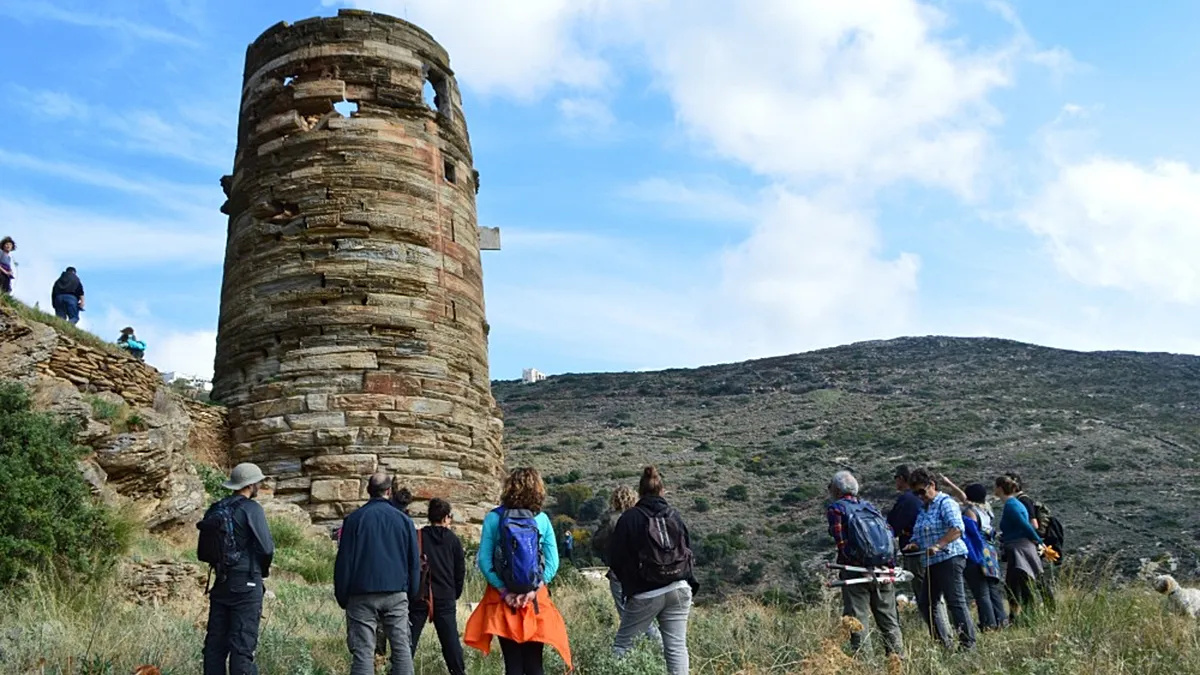
Andros Routes are more than just physical paths—they serve as a gateway to the island’s cultural tapestry. The trails traverse centuries-old villages that have preserved traditional architecture, communal customs, and artisanal practices. One of the most iconic routes leads to the ruins of the 14th-century Monastery of St. John the Baptist, a site that reflects the island’s Byzantine influence and spiritual legacy. Additionally, the network connects to historical landmarks such as the ancient village of Kastraki, where the remnants of medieval fortifications and agricultural terraces provide insight into the island’s past. These cultural sites, once overlooked, now draw visitors seeking authenticity and a more meaningful travel experience.
Andros Routes also highlight the island’s rural traditions, such as the time-honored practice of livestock farming. The trails wind through remote pastoral areas, allowing hikers to witness the symbiotic relationship between the islanders and their land. Local guides often share stories of how these landscapes have shaped the community’s way of life, offering a narrative that enriches the journey. The project has not only preserved these cultural elements but also encouraged their revival, ensuring that Andros’s heritage remains a living, evolving part of the island’s identity. As Olga Karagianni, coordinator of the Andros Research Centre, explains, the trails have extended the tourist season into spring and autumn, creating a sustainable alternative to summer-centric visits that supports both the environment and local economies.
Exploring the Natural Wonders of Andros
The natural beauty of Andros is perhaps the most compelling reason to explore its trail network. With over 200 springs dotting the landscape, the island boasts crystal-clear waters that sustain its lush ravines and fertile valleys. The 240-kilometer trail system, carefully designed to accommodate both casual hikers and adventure seekers, meanders through dense forests, coastal cliffs, and secluded beaches. These routes provide access to untouched ecosystems, making Andros a haven for eco-tourism and biodiversity conservation. The trails also showcase the island’s unique geological formations, such as the salt lakes and volcanic rock outcrops, which have captivated scientists and travelers alike.
Volunteers play a crucial role in maintaining the trails, ensuring they remain accessible and well-preserved for future generations. Their efforts have earned Andros a European certification for its trail network, recognizing the island’s dedication to environmental stewardship. The certification highlights how Andros Routes not only attract visitors interested in nature but also encourage responsible tourism practices. As Karagianni notes, the infrastructure has given a significant boost to the local economy, particularly benefiting residents of isolated villages. By connecting these remote areas to the broader island, the trails foster economic growth while preserving the cultural and natural resources that define Andros’s character.
Apostolos Staikos, Euronews’s special correspondent on Andros, emphasizes the dual appeal of the island’s trails. He reports that the 240-kilometer system is a lifeline for both hikers and local communities, offering a way to experience Andros’s pristine environment without depleting its resources. The trails are especially popular during the spring and autumn months, when the island’s flora and fauna are in full bloom. This seasonal shift not only diversifies the tourist experience but also reduces pressure on the island’s coastal areas during peak summer months. For those who venture off the beaten path, Andros Routes provide a rare opportunity to engage with the island’s natural and cultural heritage in a way that feels both immersive and respectful.
Moreover, the design of Andros Routes ensures that visitors can explore the island at their own pace, with well-marked paths and informative signage that highlight key features. Whether hiking through ancient monasteries or traversing serene natural reserves, the trails cater to a wide range of interests and abilities. The network also supports educational initiatives, such as guided tours that focus on the island’s agricultural practices and traditional crafts. By integrating these elements, Andros Routes not only attract tourists but also foster a greater understanding of the island’s ecological and cultural significance. This approach has helped solidify Andros’s reputation as a destination that values both preservation and accessibility.
As the trails continue to evolve, they remain a cornerstone of Andros’s sustainable tourism strategy. The project’s success underscores the importance of balancing economic growth with environmental and cultural protection. By prioritizing Andros Routes, the island has created a model for other destinations seeking to preserve their unique identity while adapting to modern travel demands. For visitors, these paths offer a chance to connect with Andros in a way that is both meaningful and lasting, ensuring that the island’s natural and cultural heritage remains vibrant for years to come.