Worried about the next heatwave? How southern Europeans keep their homes cool without air con
Worried about the next heatwave How southern -

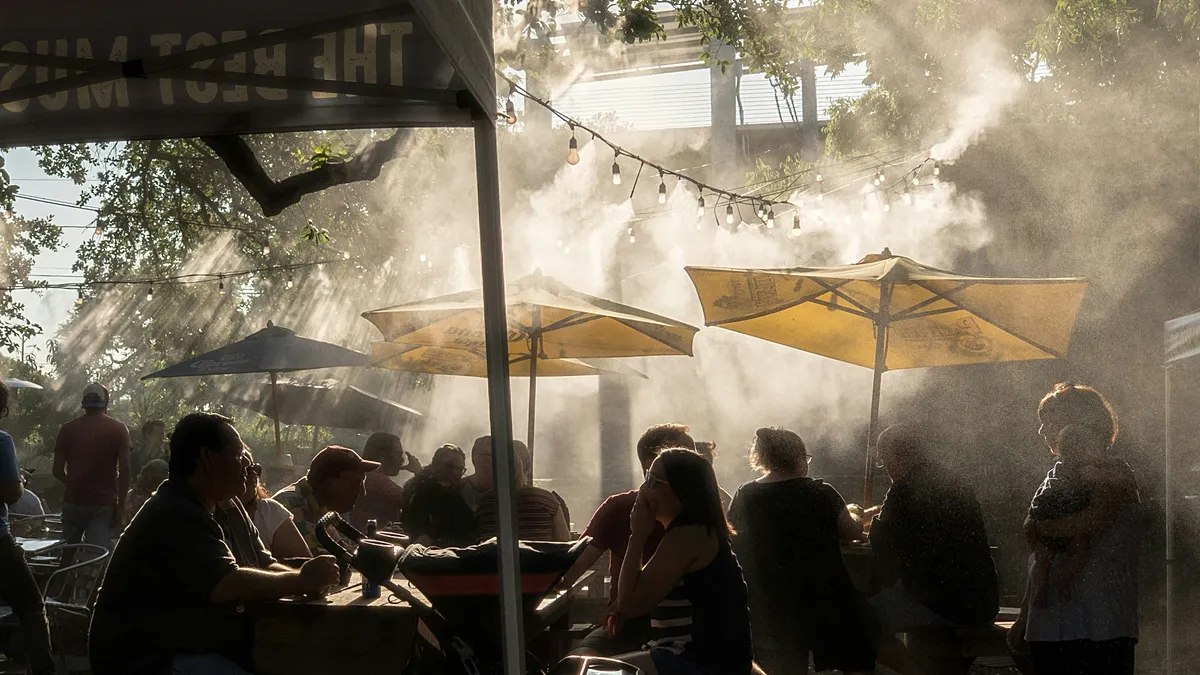
Worried About the Next Heatwave? Southern Europeans Keep Cool Without Air Con
The Challenge of Rising Temperatures
Poinews.com – As climate change intensifies, the next heatwave could pose a significant threat to daily life, especially in regions unaccustomed to extreme temperatures. The phrase “worried about the next heatwave” is becoming a common concern, particularly in areas where cooling infrastructure is limited. Southern Europeans, however, have long developed practical and sustainable ways to stay comfortable without relying on air conditioning. These time-honored techniques offer valuable lessons for adapting to the warming climate and maintaining resilience in the face of prolonged heat.
Climate Change and the Push for Cooling Solutions
Recent studies highlight the growing impact of climate change on Europe, with heatwaves becoming more frequent and severe. The Climate Change Committee has emphasized the need for proactive cooling measures, including air conditioning, to protect vulnerable populations. Yet, the high cost and environmental footprint of air conditioners have sparked debates about their long-term viability. In contrast, southern European countries have embraced traditional methods that not only reduce energy use but also align with cultural practices and historical architecture.
Traditional Methods for Natural Cooling
Many southern European homes employ passive cooling strategies that have been refined over centuries. These include thick walls made from natural materials like stone or clay, which insulate against heat, and strategically placed windows that allow for cross-ventilation. In cities such as Rome and Athens, shaded courtyards and terraces provide relief from the sun, while the use of light-colored surfaces helps reflect heat. These methods, though simple, are effective in mitigating the effects of rising temperatures without the need for modern appliances.
Community and Cultural Adaptations in Sicily
In Sicily, where heatwaves are an annual occurrence, residents have developed a deep understanding of how to endure the summer months. The concept of “worried about the next heatwave” is familiar to many, as they rely on techniques passed down through generations. For example, using heavy, dark bed linens at night helps retain coolness, while opening windows at dawn and dusk allows for natural airflow. Additionally, communal spaces like shaded piazzas and public fountains serve as cooling hubs, reinforcing the idea that shared resources can ease the burden of extreme weather.
Practical Tips for Cooling Without Air Con
Simple adjustments can make a big difference in keeping homes comfortable during heatwaves. Closing windows and using heavy curtains or shutters to block sunlight is a key step, as it prevents heat from entering through glass. In the evenings, opening windows to let in cooler air and using fans to circulate it can significantly reduce indoor temperatures. Similarly, taking advantage of natural shade by planting trees or installing awnings helps lower the heat load on buildings. These methods are not only cost-effective but also environmentally friendly, aligning with the growing emphasis on sustainable living.
Innovative Approaches and Future Resilience
While traditional methods remain popular, southern Europeans are also exploring innovative solutions to combat heat. For example, some cities have integrated green roofs and reflective coatings into new construction projects to reduce heat absorption. Additionally, the concept of “cooling corridors” is being adopted in urban planning, where shaded pathways and water features provide relief for pedestrians. These initiatives demonstrate that adapting to the next heatwave requires both historical wisdom and modern ingenuity. By combining the two, communities can build resilience against the increasing frequency of extreme weather events.
When discussing the importance of preparing for heatwaves, sustainability expert Solitaire Townsend highlighted how small, everyday choices can make a significant impact. From adjusting clothing layers to using natural shading, these practices offer a blueprint for living comfortably in the heat without compromising environmental goals.