‘The next pandemic is not a matter of if, but when,’ Oxford professor says
The Next Pandemic Is Not a Matter of If, But When, Oxford Professor Says The next pandemic is not a matter - According to Adrian Hill, a leading Oxford-based

The Next Pandemic Is Not a Matter of If, But When, Oxford Professor Says
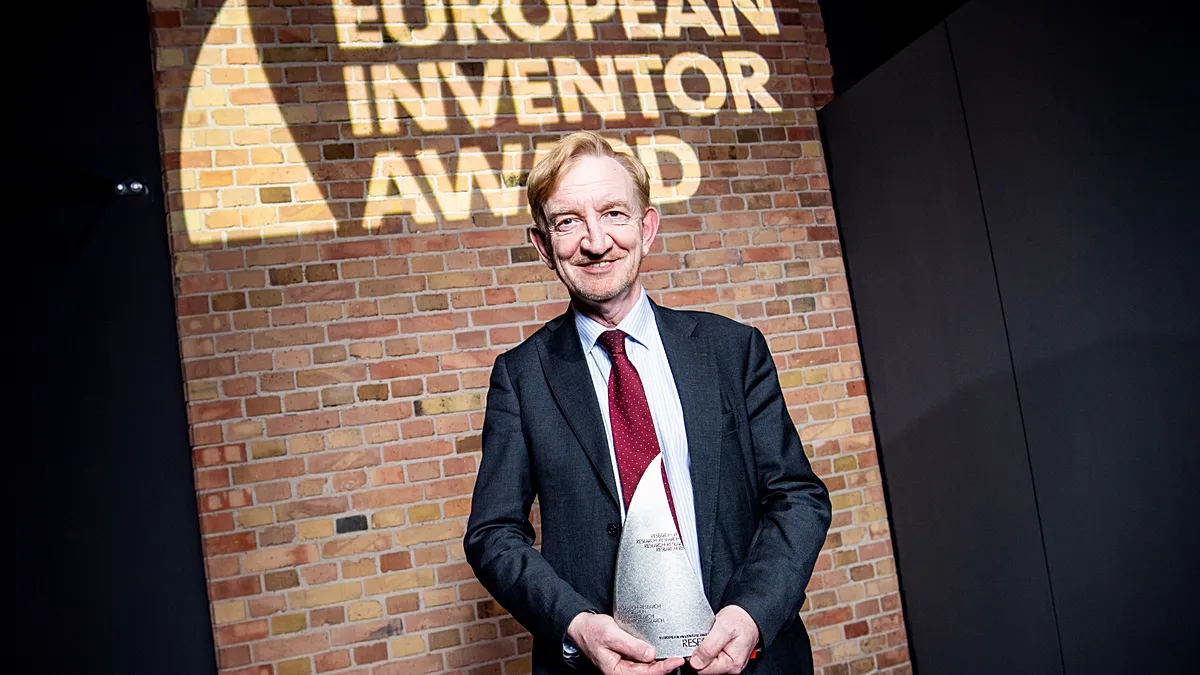
Poinews.com – According to Adrian Hill, a leading Oxford-based vaccine scientist and 2026 European Inventor Award recipient, the emergence of a new pandemic is inevitable. Hill, whose work has been pivotal in advancing global health solutions, asserts that the world must prepare for the next outbreak, as the conditions for disease spread have not fundamentally changed since the last pandemic. “The next pandemic is not a matter of if, but when,” he explains, underscoring the urgency of maintaining robust public health infrastructure and vaccine readiness.
Why Pandemics Are Inevitable
Historical patterns and modern scientific insights confirm that pandemics are not a rare event but a recurring reality. Hill points to the interconnected nature of global travel, urbanization, and environmental changes as key factors that have made new outbreaks more likely. While the world has adapted to the challenges of the Covid-19 pandemic, the same vulnerabilities persist. “We’ve seen how quickly pathogens can move across continents, and with more people living in densely populated areas, the risk only increases,” he says. The professor emphasizes that the world’s focus should shift from predicting when the next pandemic will occur to mitigating its impact through proactive measures.
Since the early 2020s, the pandemic has reshaped how scientists approach vaccine development. Hill, co-founder of the Jenner Institute at Oxford University, highlights that the crisis demonstrated the feasibility of creating effective vaccines within a year—a stark contrast to the multi-year timelines of the past. “Covid taught us that we can accelerate research and respond swiftly to emerging threats,” he states. This progress has laid the groundwork for tackling other diseases, such as malaria, Ebola, and tuberculosis, which remain significant global health challenges.
The R21/Matrix-M Vaccine: A Breakthrough in Malaria Prevention
Hill’s most recent achievement, the R21/Matrix-M vaccine, represents a major milestone in combating malaria. Developed over more than three decades, this vaccine was the first to show high efficacy against the disease, marking a turning point in the fight against a parasite that has plagued humanity for centuries. The World Health Organization (WHO) has now endorsed its use, recognizing its potential to reduce the burden of malaria in regions where the disease remains rampant. “The R21/Matrix-M vaccine targets the most critical antigens of the malaria parasite, ensuring a stronger immune response,” Hill notes. Its success is a testament to the power of sustained research and innovation in addressing complex health challenges.
The impact of malaria is profound, particularly in the WHO African Region, where it accounted for nearly 75% of all deaths in 2024. That year, the region faced approximately 282 million cases and 610,000 fatalities, underscoring the urgency of effective interventions. Hill’s approach involved analyzing the parasite’s genetic makeup to identify the most promising antigens, a strategy that transformed years of trial and error into a breakthrough. “We eliminated unnecessary elements, focusing on the proteins that would trigger the strongest immune defenses,” he explains. This precision has allowed the vaccine to transition from a lab concept to a scalable public health tool.
Despite the progress made in vaccine development, Hill acknowledges that public trust in immunizations remains a critical challenge. Misinformation and skepticism, which emerged during the coronavirus outbreak, continue to influence perceptions of vaccines. However, he remains optimistic about the role of education in restoring confidence. “When people understand how vaccines work and their life-saving potential, they’re more likely to support their use,” Hill argues. The pandemic has also highlighted the importance of global cooperation in vaccine distribution, ensuring that even the most vulnerable populations have access to life-saving treatments.