‘Portugal is an energy island and needs more flexibility,’ minister says
egration Portugal is an energy island and needs - Portugal, often described as an energy island, faces unique challenges in maintaining its energy stability

Portugal Urges Greater Flexibility in Energy Integration
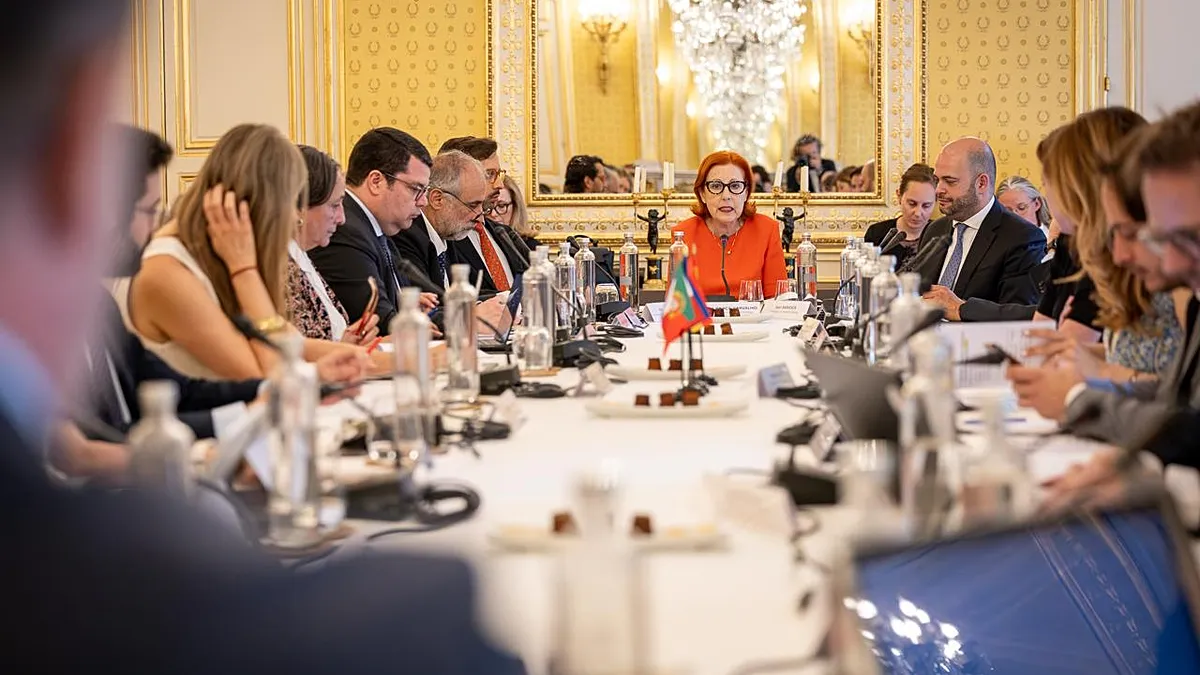
Poinews.com – Portugal, often described as an energy island, faces unique challenges in maintaining its energy stability within the broader European Union framework. The nation’s energy minister, Maria da Graça Carvalho, recently highlighted this status during a high-level meeting in Paris, where discussions focused on the future of electricity interconnections and the expansion of renewable energy infrastructure. Carvalho’s remarks underscored the need for Portugal to adopt a more flexible energy strategy, emphasizing that its geographic isolation—geographically and economically—requires tailored solutions to ensure reliability and resilience in its power grid. While Portugal has emerged as a leader in renewable energy adoption, its position as an energy island means it must balance self-sufficiency with the benefits of cross-border cooperation.
Energy Island Challenges
“From the perspective of electricity and energy overall, we are an island,” Carvalho declared, highlighting the difficulties of managing a national grid without full integration with the continent. “We require enhanced flexibility, increased storage capabilities, and stronger grid resilience than if we were fully connected to the continent.” Her statement reflects concerns that Portugal’s reliance on hydroelectric and wind power, which dominate its energy mix, could leave it vulnerable during periods of low generation. The minister cited the April 2025 blackout, which disrupted power supply across the Iberian Peninsula, as a turning point in the urgency for better interconnection projects.
Portugal’s energy island status is not just a geographical reality but also an economic and strategic challenge. With a significant portion of its electricity generated from intermittent sources, the country must invest heavily in storage technologies and grid infrastructure to mitigate risks. Carvalho pointed out that while the European Commission has prioritized electrification and reducing fossil fuel dependency, Portugal’s situation demands special attention. The minister called for targeted support for island nations like Portugal and Spain, arguing that their energy needs are distinct from those of mainland countries. This has led to debates about the allocation of EU funds for infrastructure projects, with Portugal advocating for mechanisms that reflect its unique position.
Strategic Grid Expansion
The trans-Pyrenean interconnection projects between France and the Iberian Peninsula represent a critical step toward addressing Portugal’s energy island status. These initiatives aim to create a more robust network of power lines that would allow for the seamless transfer of electricity between the two regions. The European Commission has set a 17 July 2026 target for advancing such infrastructure, which is projected to cost €1.2 trillion by 2040. While France has been a key player in this effort, its reluctance to expand cross-border links has raised questions about the pace of progress. Carvalho and her Spanish counterpart, Sarah Aagesen, have pushed for accelerated timelines, emphasizing the urgency of the situation.
Portugal’s current energy strategy includes a mix of hydroelectric, wind, and solar power, which has enabled it to achieve one of the highest shares of renewable energy in Europe. However, the country’s limited access to neighboring grids means it must develop its own storage and flexibility solutions. The minister noted that Portugal’s renewable energy success could be undermined if it fails to secure the necessary infrastructure to balance supply and demand. This includes not only expanding interconnections with France but also enhancing its domestic grid capacity and integrating new technologies to manage the variability of renewable sources. The April 2025 blackout served as a stark reminder of the consequences of inadequate flexibility, prompting renewed calls for investment in grid resilience.
Regional Collaboration and Funding
Despite its geographic isolation, Portugal has actively sought partnerships to bolster its energy security. The minister’s emphasis on the need for more flexibility aligns with broader EU goals of creating a unified energy market. Yet, Portugal’s energy island status means it cannot rely solely on the continent’s grid. Instead, it must collaborate with neighboring countries like Spain to develop joint solutions. This has led to proposals for special funding mechanisms tailored to island nations, which could help bridge the gap between their energy needs and the resources available through the European Commission.
The trans-Pyrenean interconnector projects are expected to play a pivotal role in transforming Portugal’s energy landscape. By linking the Iberian Peninsula to France’s robust energy grid, these projects could provide a buffer against supply fluctuations and reduce the country’s dependence on fossil fuel imports. However, the minister acknowledged that funding remains a key obstacle. While the €11 million allocated for one of the proposed interconnectors is a positive step, she argued that more substantial investments are needed to fully address the challenges of being an energy island. This includes support for advanced energy storage systems and smart grid technologies that can adapt to the evolving energy demands of the region.
As the European Union pushes for greater energy integration, Portugal’s energy island status will continue to shape its approach to infrastructure development. The minister’s call for more flexibility reflects a broader trend of island nations seeking to balance their energy independence with the benefits of regional cooperation. By prioritizing investments in storage, grid resilience, and cross-border interconnections, Portugal aims to maintain its leadership in renewable energy while ensuring long-term stability. The upcoming technical meeting in September 2026 is expected to lay the groundwork for these initiatives, with the goal of transforming Portugal from an energy island into a more integrated and secure energy hub within the EU.