US to give Ukraine licence to produce Patriot air-defence interceptors, Trump says
US to Give Ukraine Licence to Produce Patriot Air-Defence Interceptors, Trump Announces US to give Ukraine licence to produce - During the NATO summit in

US to Give Ukraine Licence to Produce Patriot Air-Defence Interceptors, Trump Announces
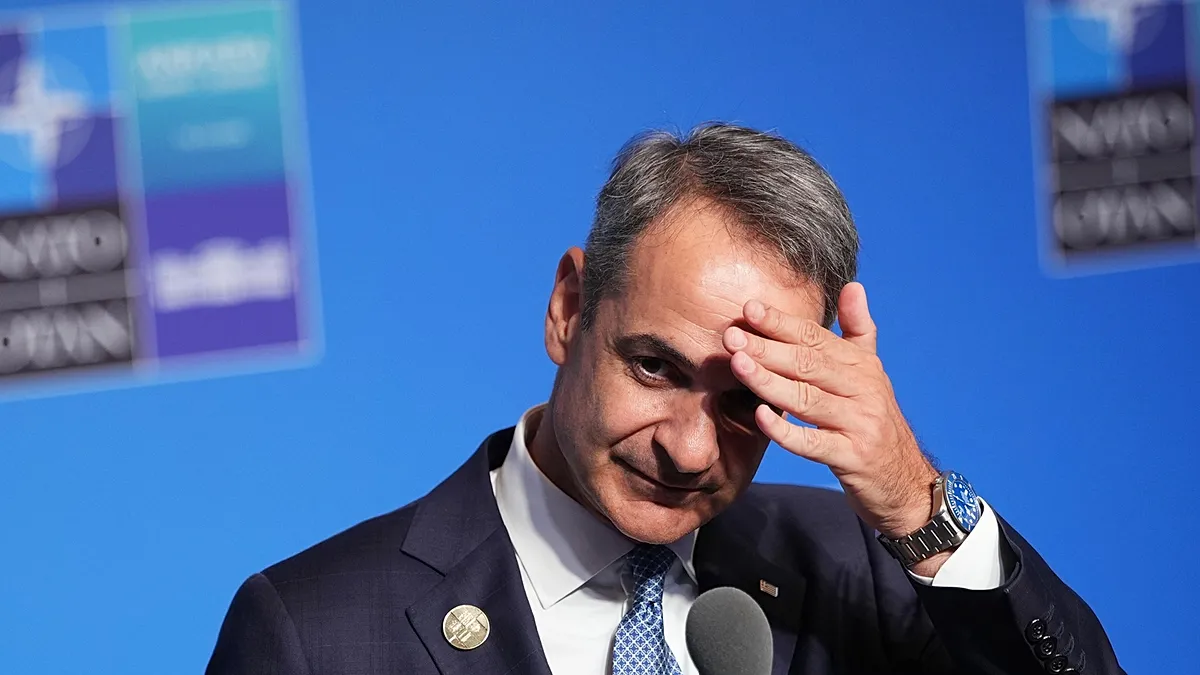
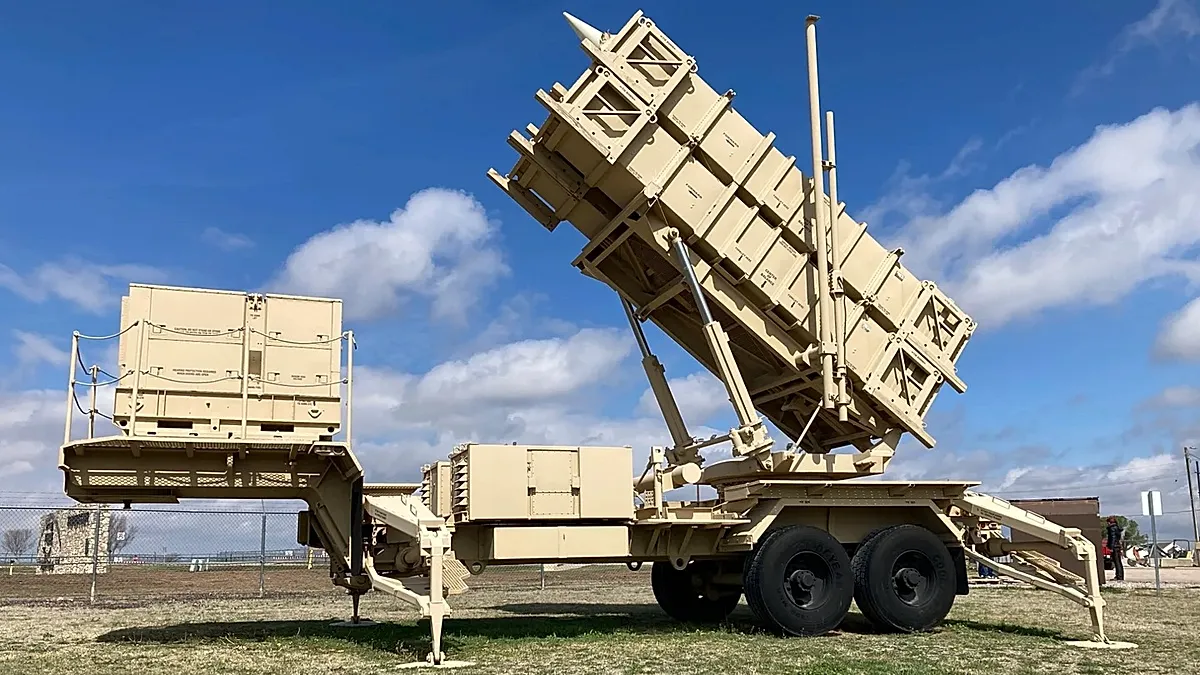
Poinews.com – During the NATO summit in Ankara, U.S. President Donald Trump announced a pivotal development in military support for Ukraine: Washington will grant Kyiv a licence to manufacture its own Patriot air defence systems. This decision, Trump emphasized, is a direct response to Ukraine’s urgent need for sustained protection against Russian missile attacks. The move signals a shift toward localized production, which could significantly bolster Ukraine’s defensive capabilities while reducing reliance on U.S. supply chains. The focus keyword, “US to give Ukraine licence,” is central to this strategic initiative, reflecting the administration’s commitment to empowering Ukraine in its ongoing conflict.
The Strategic Implications of the Licence
Trump’s announcement highlights a broader strategy to ensure Ukraine’s long-term resilience. By allowing the production of Patriot interceptors, the U.S. aims to alleviate supply constraints that have plagued Ukraine’s air defense efforts. The decision comes amid growing concerns about the depletion of U.S. military stockpiles, particularly due to the escalating U.S.-Israel conflict with Iran. This has diverted resources, leaving Ukraine with fewer interceptors to defend its cities and critical infrastructure. The licence is expected to mitigate these shortages, enabling Kyiv to maintain a consistent defense posture against Russia’s relentless attacks.
Trump framed the initiative as a win-win scenario, stating that it would not only address Ukraine’s supply issues but also demonstrate U.S. leadership in supporting its allies. “We’ll show them how to do it,” he reiterated, underscoring the complexity of the Patriot system. Despite the technical challenges, Trump asserted that Ukrainian engineers would master the process swiftly. He also mentioned that the U.S. is already preparing four production plants to assist in this effort, claiming that the necessary infrastructure will be operational within two to three months. This statement suggests a coordinated approach between American and Ukrainian industries to expedite the process.
Ukraine’s Long-Awaited Breakthrough
Ukrainian officials had been advocating for the licence for over five months, facing delays from the U.S. administration. The approval now marks a significant milestone in their negotiations. Trump hinted that the decision would shift the narrative from blaming the U.S. for insufficient deliveries to celebrating Ukraine’s self-sufficiency. “This way, you can’t complain that we’re not giving them enough,” he said, suggesting that the initiative would foster a sense of empowerment among Ukrainian forces. The chosen manufacturer, however, remains unnamed, with Trump describing the plan as “something they’ll be thrilled about.”
The Patriot system, developed by Raytheon and Lockheed Martin, has been a cornerstone of Ukraine’s air defense since its deployment in 2022. Its advanced radar and missile technology have proven effective in intercepting Russian ballistic missiles and drones. Yet, the system’s effectiveness has been tempered by supply limitations. Recent months have seen a sharp decline in interceptor availability, as the U.S. has allocated a substantial portion of its stockpile to other regional conflicts. According to estimates, Gulf states alone have used over 1,100 interceptors in the past year, while Ukraine reports that Russian attacks have adapted to exploit gaps in its defenses. This Licence is designed to counteract those challenges and ensure Ukraine’s ability to respond swiftly to emerging threats.
Lockheed Martin, the primary producer of the Patriot system, currently manufactures around 600 interceptors annually, or 60-65 per month. President Volodymyr Zelenskyy has highlighted the critical need for increased production, noting that Russian forces are launching approximately 120 ballistic missiles monthly. Recent strikes have targeted Ukraine’s energy grid and urban centers, underscoring the urgency of the situation. The Licence is expected to ramp up local production, potentially reducing the burden on U.S. manufacturers and accelerating the delivery of interceptors to the front lines. This could be a game-changer for Ukraine’s ability to sustain its defensive operations in the face of prolonged warfare.
Analysts suggest that the Licence not only addresses immediate supply needs but also strengthens Ukraine’s long-term strategic position. By gaining the capability to produce Patriot systems domestically, Kyiv can reduce its dependence on foreign suppliers and enhance its military readiness. The initiative aligns with broader U.S. efforts to support Ukraine’s sovereignty and resilience. It also reflects a growing emphasis on technology transfer and capacity-building in international defense partnerships. As Trump’s administration moves forward with this plan, the focus keyword “US to give Ukraine licence” will likely remain a key phrase in discussions about U.S. military aid and its impact on the war effort.
Experts anticipate that the Licence will have far-reaching consequences for both Ukraine and the global arms market. With the potential for increased production, Ukraine may soon become a key player in the supply chain for Patriot systems, which could lead to further collaboration with U.S. defense firms. The decision also signals a strategic pivot toward self-reliance, a theme that has resonated throughout the conflict. As the U.S. industry sets up its plants, the focus keyword “US to give Ukraine licence” will serve as a recurring element in tracking the progress of this initiative. This step is not just about interceptors—it’s about ensuring Ukraine’s ability to defend itself for years to come.