Family of Ruth Ellis, last woman executed in UK, wins posthumous government pardon
K, Secures Posthumous Pardon Family of Ruth Ellis last woman - After decades of advocacy, the family of Ruth Ellis, the last woman to be executed in Britain

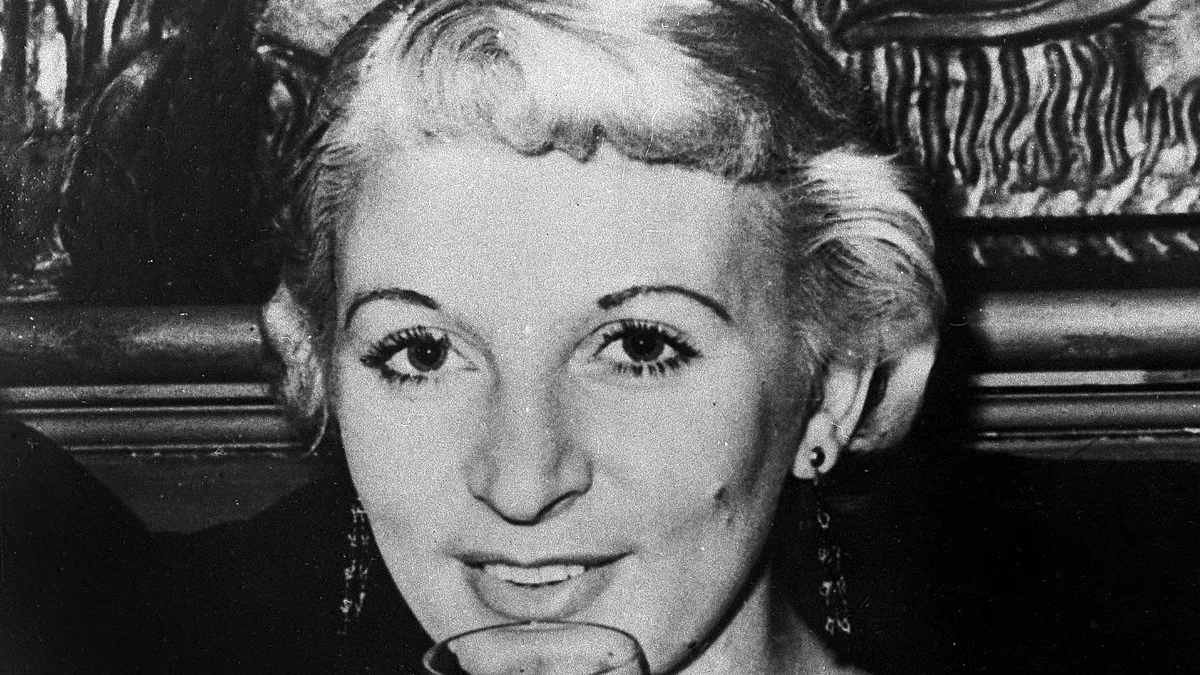
Family of Ruth Ellis, Last Woman Executed in UK, Secures Posthumous Pardon
Poinews.com – After decades of advocacy, the family of Ruth Ellis, the last woman to be executed in Britain, has secured a posthumous government pardon. Deputy Prime Minister David Lammy confirmed in parliament that Ruth Ellis, who was hanged in 1955 for murdering her racing driver partner, David Blakely, has been granted a conditional pardon. This decision recognizes the case as a “profound injustice” and highlights the long-standing efforts of her family to secure justice. Ellis, a 28-year-old nightclub hostess, was sentenced to death for the fatal shooting that occurred at the Magdala pub in London, an event that marked a turning point in the UK’s approach to capital punishment.
The family of Ruth Ellis last woman has played a central role in reevaluating the circumstances of her death. Their campaign has brought renewed attention to the emotional and physical abuse Ellis endured from Blakely, who was also the father of her unborn child. The case, which led to her execution, has now been formally acknowledged as an example of how the legal system failed to consider the full context of her actions. “The family of Ruth Ellis last woman has worked tirelessly to ensure that her legacy is one of compassion and justice,” said one of her descendants, emphasizing the lasting impact of her story.
A Legacy of Trauma and Advocacy
Ruth Ellis’s tragic story has been preserved not only through historical records but also in popular culture. The 1985 film “Dance with a Stranger,” starring Miranda Richardson and Rupert Everett, dramatized her life, sparking broader discussions about the fairness of the death penalty. At the time of her crime, Ruth Ellis last woman was a mother of two young children, and her execution left a profound mark on both her family and the public. The petition led by her grandchildren, who continue to champion her cause, has been instrumental in rekindling interest in the case.
“The family of Ruth Ellis last woman deserves recognition for their unwavering efforts,” remarked a legal expert. “This pardon not only corrects a historical wrong but also sets a precedent for future cases where victims of abuse may be reevaluated under modern legal standards.”
Ellis’s trial, which lasted just 14 minutes, showcased the swift judgment of the time. She displayed no emotion during the proceedings, a fact that has since been interpreted as a reflection of her desperation and trauma. Her granddaughter, Laura Enston, highlighted the emotional toll on her family. “Ruth’s story is a testament to the enduring impact of the family of Ruth Ellis last woman’s campaign,” she stated. “The legal system of 1955 failed to see the full picture of her life and the abuse she faced.”
Reforms and a New Legal Perspective
The case of Ruth Ellis, the last woman executed in Britain, has been a catalyst for legal reforms. Her execution in 1955 preceded the abolition of the death penalty for murder in 1969, a change that reflected growing awareness of the complexities of human behavior in criminal acts. The family of Ruth Ellis last woman argued that, with today’s understanding of battered woman syndrome, her actions would likely be viewed as a reaction to prolonged abuse rather than premeditated murder. This perspective gained traction as the petition highlighted the emotional and physical distress she experienced, including the miscarriage caused by Blakely’s violent attack.
“The family of Ruth Ellis last woman has shown that even after decades, the quest for justice remains alive,” noted a representative from the UK’s legal reform committee. “Their campaign has reminded us that historical cases can be reexamined with new insights, leading to more equitable outcomes.”
While the pardon does not erase the past, it symbolizes a step toward healing for the family of Ruth Ellis last woman. The event has also sparked debates about the role of societal attitudes in shaping legal decisions. Enston emphasized that the decision reflects a shift in public perception. “The family of Ruth Ellis last woman’s victory is not just about Ruth,” she said. “It’s about acknowledging the trauma of domestic violence and the need for a more empathetic legal system.”