EU narrows ban on Russian combatants to appease France and Italy
EU Refines Restrictions on Russian Combatants Amid Diplomatic Adjustments EU narrows ban on Russian combatants - The European Union is revising its proposal

EU Refines Restrictions on Russian Combatants Amid Diplomatic Adjustments
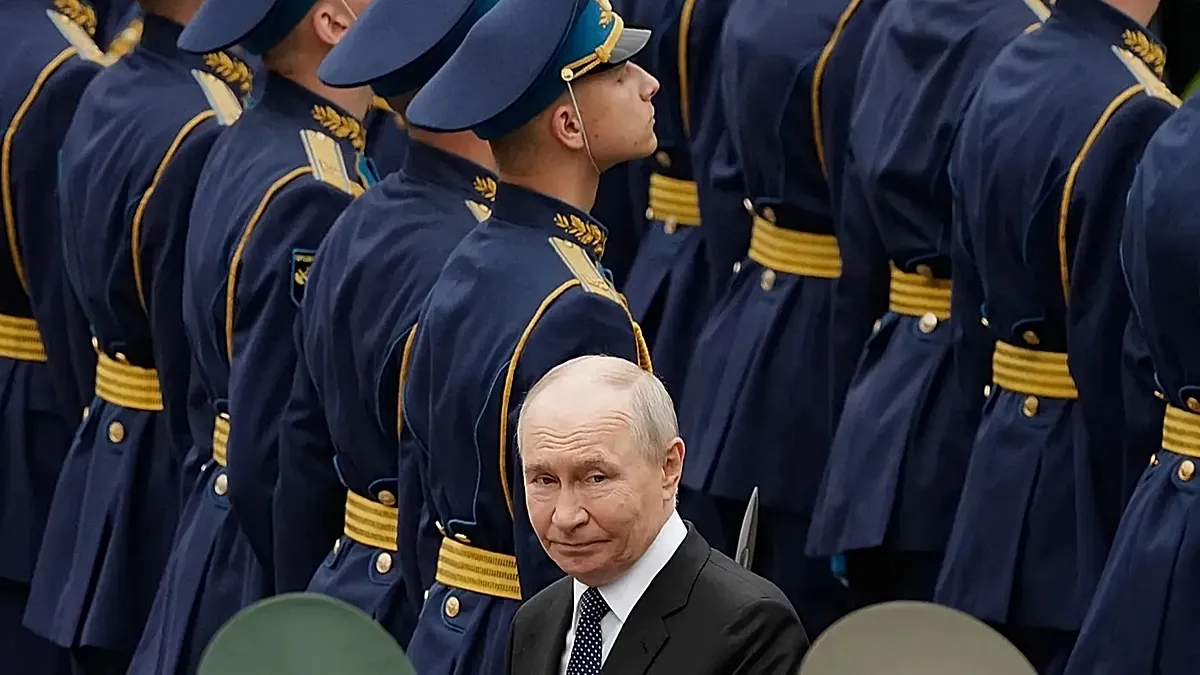
Poinews.com – The European Union is revising its proposal to restrict visa issuance for Russian soldiers and military veterans, influenced by concerns from France and Italy. The updated measure targets short-term visas and focuses on individuals who actively participated in hostilities in Ukraine. This adjustment forms part of the EU’s 21st set of sanctions against Russia, aimed at curbing its full-scale invasion. EU ambassadors are set to finalize the package on Wednesday, with the goal of approving it by mid-July to prevent an automatic reset of the Russian oil price cap.
Addressing Concerns from France and Italy
France and Italy opposed the original plan, which would have barred all Russian military personnel from entering the bloc. They argued the measure should be tied to visa policies, not sanctions, and warned of logistical hurdles for countries handling large visa applications. To ease these objections, Ireland—holding the EU Council’s rotating presidency—suggested limiting the ban to short-stay visas. The revised policy now specifically excludes those not directly involved in Ukraine’s conflict, such as administrative or logistics staff.
“The measure should fall under visa policy rather than sanctions, as it could create practical issues for countries processing high volumes of Russian visa applications,” noted French and Italian officials.
Expanded Exemptions and Legal Clarifications
The new framework includes broader exemptions, allowing entry for humanitarian, national interest, or international obligations. These exceptions are restricted to the issuing EU country, requiring consent for travel to other member states. Previously, the only exemption was for applicants proving dissent from the Russian military. The revised package also clarifies that consular services are not automatically liable for breaches of the ban, reducing the burden of proof on them.
France and Italy had raised doubts about the practicality of the original plan, citing Russia’s mandatory conscription for men aged 18 to 30. The updated approach addresses this by narrowing the scope to those directly engaged in combat, rather than all military roles. Despite these changes, administrative challenges remain, as each case will require individual evaluation.
Ongoing Challenges and Security Rationale
While the revised sanctions aim to balance diplomatic pressures, some northern and eastern European nations have resisted, citing the surge in Russian tourist visas since the war began. Eurostat data highlights this trend, though the impact of the visa ban on overall arrivals is expected to be modest. EU officials defend the measure, drawing parallels between Russian combatants and former Islamic State fighters or Balkan war criminals, emphasizing the security risks posed by individuals directly involved in the conflict.
“The ban is essential for safeguarding EU borders against those who have directly contributed to the war in Ukraine,” stated an EU representative, underscoring the rationale behind the targeted restrictions.